
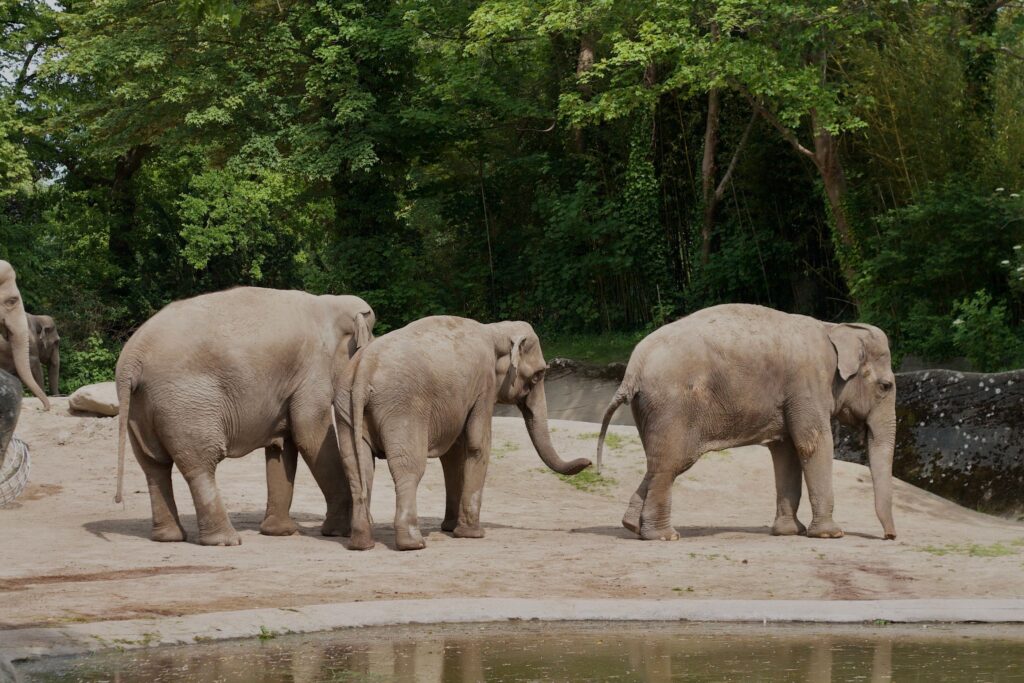
The best zoos in the UK are far more than a chance to look at animals. The country’s leading zoos are working conservation centres, and a visit usually means a full day outdoors, with keeper talks, play areas, and cafes to break up the walking. The right choice depends on where you live, how much walking your group can manage, and whether you want a compact city zoo or a wide-open wildlife park. Chester Zoo is the strongest all-rounder for most families, London Zoo is the easiest to reach without a car, and Whipsnade Zoo gives large animals the most space. Edinburgh Zoo is the clear choice in Scotland, while Colchester Zoo, Yorkshire Wildlife Park, and Bristol Zoo Project each suit different kinds of visit.
How To Choose The Right Zoo For Your Family
Start with the journey, not the animals. A zoo that takes two hours to reach each way will leave young children tired before you get through the gates, while a zoo close to home can be enjoyed at a slower pace. Think about walking distances too. London Zoo covers a compact site in Regent’s Park, so it suits families with small children. Whipsnade covers 600 acres, which is wonderful for space but means a lot of walking. Chester Zoo sits in between: large enough to fill a whole day, but laid out so you can plan a route around the animals your children most want to see. If anyone in your group uses a wheelchair or a pushchair, check the zoo’s access page in advance, because some sites, including Edinburgh Zoo with its hillside setting, involve steep paths. Booking online in advance is worth doing at every major zoo, because it often saves money and guarantees entry on busy school-holiday dates.
Chester Zoo In Cheshire
Chester Zoo, in Upton-by-Chester, is widely regarded as the best zoo in the UK. It attracts more than two million visitors a year, making it the most visited zoo in the country. The zoo is home to thousands of animals, including Asian elephants, Sumatran orangutans, Sumatran tigers, and black rhinos, and it takes part in breeding programmes for many threatened species. Its enclosures are built as whole landscapes rather than single cages: Monsoon Forest is a large tropical habitat, and the Islands zone recreates the wildlife of South East Asia with its own boat ride. If you can only visit one zoo in the UK, Chester is the one most guides recommend first. Arrive early, pick two or three must-see habitats, and leave time for the keeper talks, which are often the highlight for children.

ZSL London Zoo In Regent’s Park
London Zoo, in Regent’s Park, is the world’s oldest scientific zoo, having opened in 1828. It covers 36 acres in the heart of London and is run by the Zoological Society of London, a charity devoted to conservation, science, and education. The collection includes gorillas, tigers, lions, and penguins, and the penguin pool is the largest in any English zoo. Because the site is compact, it suits families with younger children and anyone visiting London for a day, and it is easy to reach by Tube and bus. London Zoo works closely with its sister site, Whipsnade, and a ZSL membership covers entry to both. If you are combining the zoo with other sightseeing, it fits neatly into a morning. Book ahead online, because the zoo is popular on weekends and school holidays, and check the day’s talk times at the entrance so you do not miss the penguin feeding.
ZSL Whipsnade Zoo In Bedfordshire
Whipsnade Zoo, near Dunstable in Bedfordshire, is the UK’s largest zoo, covering 600 acres of rolling chalk downland. Also run by the Zoological Society of London, it is one of Europe’s largest wildlife conservation parks and is home to around 10,000 animals, including a herd of African elephants, rhinos, cheetahs, and red pandas. Large animals have room to roam here, and visitors get long, open views across paddocks rather than peering into small enclosures. You can drive through parts of the zoo in your own car, which makes it a good choice for families with very young children. Whipsnade is about 40 miles north of London, so it works well as a day trip from the capital if you have a car, and it rarely feels crowded because the site is so large. Bring comfortable shoes, allow a full day, and pack an extra layer even in summer, because the exposed hillside can feel colder and windier than the town below.

Edinburgh Zoo In Scotland
Edinburgh Zoo, on Corstorphine Hill, is Scotland’s leading zoo and a rewarding stop on any family trip to the capital. It is run by the Royal Zoological Society of Scotland and is known for its penguins, its koalas, and its red pandas. Edinburgh was famously the first zoo in the world to keep penguins, and the penguin colony remains one of its best-loved sights. The zoo was also home to the UK’s only giant pandas, Yang Guang and Tian Tian, who arrived in December 2011 and returned to China in December 2023, when their loan agreement came to an end. There are currently no giant pandas in the UK, so do not plan a trip expecting to see them. What Edinburgh still offers is a strong collection on a hillside site with views across the city, including koalas, which are rare in British zoos. The site is steep in places, so allow extra time with a buggy, and consider the bus, because the zoo is well served by Edinburgh city buses.

Colchester Zoo In Essex
Colchester Zoo, near Colchester in Essex, is one of the UK’s best-loved family zoos. It opened on 2 June 1963, originally as Stanway Hall Zoo Park, and has grown into a 60-acre site that is now home to more than 150 species, including Amur leopards, Amur tigers, Komodo dragons, and Bornean orangutans. The zoo is laid out in themed zones, such as the Kingdom of the Wild, where rhinos, giraffes, and zebras share a wide savannah-style landscape, and Playa Patagonia, where visitors walk through an underwater tunnel while sea lions swim overhead. Its charity arm, now the Colchester Zoological Society, supports conservation work in the wild, including its own nature reserve in South Africa. Colchester is easy to reach from London and across East Anglia. The site is mostly flat and pushchair friendly, and the mix of big cats, primates, and the sea lion tunnel gives children plenty of variety.
Yorkshire Wildlife Park Near Doncaster
Yorkshire Wildlife Park, near Doncaster in South Yorkshire, is one of Britain’s newest major wildlife attractions, having opened in April 2009 on the site of a former riding school and farm park. It keeps fewer species in much larger reserves, so animals have room to behave naturally and visitors get long views across open landscapes. Its best-known residents are the polar bears of Project Polar, a large reserve that opened in 2014 and is one of the largest polar bear habitats outside Canada. The park is also home to rescued lions, including thirteen lions brought from a zoo in Romania in 2010, as well as tigers, leopards, giraffes, and rhinos. Lion Country and Land of the Tiger are the highlights for most families, and the walk-through lemur enclosure is popular with children. Because the reserves are large, the walking distances are long, so comfortable shoes and a plan are essential. The park is easy to reach from the motorway network, making it a practical day out from Leeds, Sheffield, and York.
Bristol Zoo Project Near Bristol
Bristol Zoo Project, on the northern edge of Bristol, is the newest name on this list but not a new site. It opened on 22 July 2013 as the Wild Place Project, the sister site of Bristol Zoo Gardens, and was renamed Bristol Zoo Project in the summer of 2023, after the historic Clifton zoo gardens closed in 2022 and its animals moved here. It is run by the Bristol Zoological Society and is being developed as a modern conservation park, with areas including Bear Wood, a woodland habitat for European brown bears and wolves designed to show what England looked like 8,000 years ago. Bear Wood, which opened in July 2019, is the standout experience: visitors walk through ancient-style woodland and watch bears and wolves from raised walkways. The park is smaller and quieter than Chester or Whipsnade, which suits families with younger children. It sits close to the M5, so it is easy to combine with a trip to Bristol itself.
Practical Tips For Visiting Zoos In The UK
A little planning makes a zoo day far more enjoyable, especially with children. Book tickets online in advance whenever you can, because most major zoos charge less online than at the gate and some dates sell out in school holidays. Arrive when the zoo opens, and visit the most popular animals first, because big cats and elephants draw the biggest crowds by late morning. Check the feeding and talk times as soon as you arrive and build your route around two or three of them, since a keeper talk can turn a distant animal into the highlight of the day. Pack water, snacks, and sun protection, because most of the walking is outdoors and queues at cafes can be long at lunchtime. Remember that no zoo can guarantee a particular animal will be visible, because animals rest, shelter from the weather, and choose where to spend their time. Finally, consider a membership or annual pass if you expect to visit more than twice in a year; at ZSL it covers both London Zoo and Whipsnade Zoo.
More Family Travel Ideas From FM Magazine
A zoo day is only one kind of family trip, and the same planning habits work anywhere. If your family enjoys mountain scenery and quiet villages, our travel guide to Theth in Albania covers a very different kind of nature break. For a historic city with an old town to explore on foot, read our guide to Mostar in Bosnia, and for a relaxed coastal escape, our Rodanthe travel guide looks at beaches, wildlife watching, and local tips on the North Carolina coast.
Frequently Asked Questions About Zoos In The UK
What Is The Best Zoo In The UK?
Chester Zoo is the most common answer, and it is a fair one. It attracts more than two million visitors a year and has one of the largest collections in the country. London Zoo is the best choice without a car, Whipsnade is the best for space, and Edinburgh Zoo is the best zoo in Scotland.
What Is The Biggest Zoo In The UK?
Whipsnade Zoo in Bedfordshire is the largest, covering 600 acres. Chester Zoo is the most visited, and London Zoo is the oldest scientific zoo in the world, having opened in 1828.
Which UK Zoo Is Best For Young Children?
London Zoo and Bristol Zoo Project suit younger children best, because both sites are compact and easy to walk around. Colchester Zoo is also a good choice, because it is mostly flat and pushchair friendly.
Do You Need To Book Zoo Tickets In Advance?
Booking in advance is strongly recommended. Most major UK zoos sell timed tickets online, often at a lower price than the gate, and popular dates in school holidays can sell out.
Are There Still Giant Pandas In The UK?
No. The UK’s only giant pandas, Yang Guang and Tian Tian, lived at Edinburgh Zoo from December 2011 until they returned to China in December 2023.
What Should You Take To A Zoo With Children?
Comfortable shoes, water, snacks, sun protection, and a light waterproof layer are the essentials. A small backpack leaves your hands free, and a carrier can be easier than a pushchair at hilly zoos.
Leave a Reply