
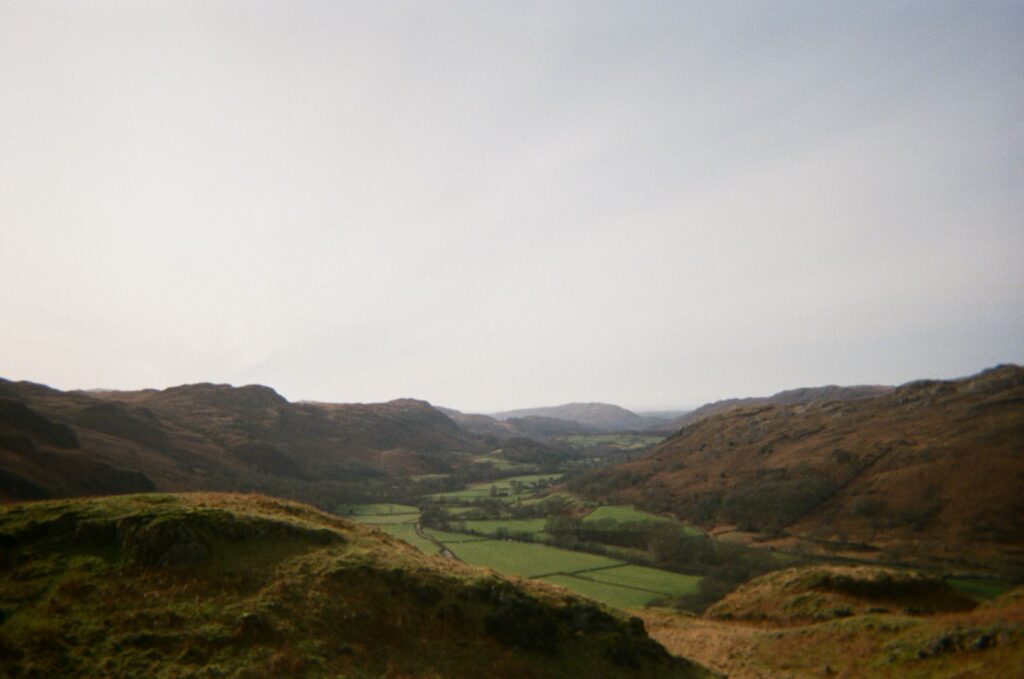
The United Kingdom has 15 national parks, spread across England, Wales and Scotland, and choosing between them is the hardest part of planning a trip. Ten parks sit in England, three in Wales and two in Scotland, and Northern Ireland has none. Together they protect mountains, moorlands, lakes, forests, wetlands and some of the finest coastline in Britain. This guide compares all 15, so you can pick the right park for walking, coast, wildlife, family days out or a quiet escape, and know the best time to go. If you are planning a wider trip, our guide to the best places to visit in England covers the country’s highlights beyond the parks, and our pick of the sites to see in the UK will help you plan a longer tour.
The 15 UK National Parks At A Glance
- Peak District, England: The first UK national park, designated in 1951, with moorland edges, limestone dales and easy access from Manchester and Sheffield.
- Lake District, England: England’s largest national park and a UNESCO World Heritage Site, famous for its lakes, fells and villages such as Ambleside and Keswick.
- Eryri (Snowdonia), Wales: Wales’s largest national park, home to Yr Wyddfa, the highest mountain in Wales, and a narrow-gauge railway to the summit.
- Dartmoor, England: Wild granite tors and open moorland in Devon, with free-roaming ponies and ancient stone rows.
- Pembrokeshire Coast, Wales: Britain’s only national park designated mainly for its coast, with cliff paths, beaches and seabird colonies.
- North York Moors, England: Heather moorland, wooded dales and a heritage steam railway, close to the Yorkshire coast.
- Yorkshire Dales, England: Limestone valleys, waterfalls, dry-stone walls and market towns such as Grassington and Malham.
- Exmoor, England: A quieter moorland of wooded valleys and high sea cliffs on the Devon and Somerset border.
- Northumberland, England: England’s least visited national park, with Hadrian’s Wall, dark skies and the Cheviot Hills.
- Bannau Brycheiniog (Brecon Beacons), Wales: Waterfalls, ridges and a well-known stargazing reserve in South Wales.
- The Broads, England: A wetland of rivers and shallow lakes in Norfolk and Suffolk, best explored by boat or on foot.
- Loch Lomond And The Trossachs, Scotland: Lochs, glens and forested hills within easy reach of Glasgow.
- Cairngorms, Scotland: The UK’s largest national park, with high mountain plateaus, ancient pine forest and winter skiing.
- New Forest, England: Ancient woodland, heathland and free-roaming ponies in Hampshire and Wiltshire.
- South Downs, England: Rolling chalk hills, the Seven Sisters cliffs and the South Downs Way, close to London and Brighton.
Best For First-Time Visitors
If you are visiting a UK national park for the first time, start with the Lake District, the Peak District or Eryri. The Lake District is the classic choice: Windermere, the largest natural lake in England, has boat trips and lakeside walks, while Ambleside and Keswick give you tea rooms, pubs and easy paths if you do not want a steep climb. Scafell Pike, England’s highest mountain, sits in the park for serious walkers, but you do not need to climb it to enjoy the place. The Peak District suits a shorter trip because it is easy to reach by train and car from Manchester, Sheffield and Derby, and its villages, such as Bakewell and Castleton, are good bases. Eryri rewards walkers with the climb to Yr Wyddfa, the highest peak in Wales, and the mountain railway offers the same views without the climb. All three parks have visitor centres, marked trails and plenty of places to stay, which makes planning simple. The Lake District National Park Authority publishes walking routes, parking advice and seasonal updates for the area.
Best For Walking And Hiking
Walkers are spoiled for choice, but the parks differ in character. The Cairngorms offer the wildest high-level walking in Britain, with broad plateaus and long, remote routes that need good navigation skills and proper clothing. The Yorkshire Dales and the Peak District are better for classic day walks: valley paths, limestone pavements, waterfalls and pubs at the end of the route. The South Downs Way is a gentler long-distance option, with rolling chalk hills and sea views at the eastern end. In Wales, the Bannau Brycheiniog ridges give a satisfying mountain day without the crowds of Eryri, and the waterfalls area near Pontneddfechan is a favourite for shorter walks. Dartmoor and Exmoor suit walkers who like open moorland and solitude, though Dartmoor’s weather can change quickly, so carry a map and check the forecast. Wherever you walk, tell someone your route on remote paths and wear proper boots, because moorland and mountain ground stays wet and uneven even in summer.
Best For Coast And Beaches
For sea air, the Pembrokeshire Coast is hard to beat. The Pembrokeshire Coast Path runs around almost the whole coastline, past sandy beaches, sea stacks and colonies of puffins and seals, and the path can be walked in short sections using local buses. The South Downs ends at the white cliffs of the Seven Sisters, one of the most photographed stretches of coast in England, and the walk from Seaford to Eastbourne is a fine day out. The North York Moors reach the sea at Whitby and Robin Hood’s Bay, where the moorland meets fishing villages and fossil beaches. Exmoor has some of the highest sea cliffs in England, with steep wooded valleys dropping to the shore. If you want a beach holiday with a national park on the doorstep, base yourself near Pembrokeshire or the South Downs coast, and check tide times before walking below cliffs or across beaches.
Best For Families
Families do best in parks with short, flat walks, visitor centres and things to do when the weather turns. The New Forest is a strong family pick: the ponies roam free, the paths are mostly flat, and there are cycle trails, picnic spots and wildlife to spot without a long climb. The Broads suit families who like boats, with day hire, riverside walks and birdwatching from hides. The Lake District works well too, with lake cruises, easy lakeside paths and attractions such as the towns of Bowness and Ambleside. The Peak District has family-friendly cycle trails on old railway lines, which are flat, traffic-free and good for children. Loch Lomond And The Trossachs is another easy option, with loch-side beaches, forest trails and boat trips close to Glasgow. Pack layers and waterproofs for children in every park, because British weather can change in an hour, and book boat trips and cycle hire in advance during school holidays. For more family-friendly ideas across the country, see our guide to things to do in England.
Best For Wildlife And Dark Skies
The Cairngorms are the top choice for wildlife, with red squirrels, ospreys, golden eagles and the ancient Caledonian pine forest around Rothiemurchus and Abernethy. The Broads are the place for wetland birds, with marsh harriers, bitterns and swallows in summer, and the reed beds are at their best at dawn and dusk. Dartmoor and Exmoor are good for ponies, red deer and birds of prey, and Exmoor is known for its red deer herds. For dark skies, Northumberland is the standout: it is England’s least visited national park, and its dark sky status means the Milky Way is visible on clear nights. The Bannau Brycheiniog also holds dark sky reserve status, and its open ridges are excellent for stargazing away from town lights. Visit on a moonless night, bring a red torch, and check the moon phase before you travel if stars are the main reason for the trip.
Best For A Quiet Escape
If you want space and silence, skip the busiest honeypots and head for Northumberland, Exmoor or the North York Moors. Northumberland has long stretches of Hadrian’s Wall, empty moorland and villages where you can walk all day and meet few people. Exmoor is the quietest of the southern parks, with wooded combes and high moorland that feel a long way from the crowds of Devon and Cornwall. The North York Moors are at their best in late summer, when the heather turns the hills purple, though the main villages can be busy on August weekends. The Yorkshire Dales also have quiet corners, especially in the northern dales, where stone villages and waterfalls see far fewer visitors than the central valleys. Travel midweek and outside school holidays for the quietest experience, and stay in a smaller village rather than the main tourist town.
When To Go
Late spring and early autumn are the best all-round seasons for most parks. From May to June the days are long, the hills are green and the main paths are drier, while September and October bring autumn colour and thinner crowds. Summer, from July to August, has the warmest weather but also the busiest car parks, the highest accommodation prices and the most midges in Scotland, so book early and carry repellent if you are heading to the Cairngorms or Loch Lomond. Winter suits experienced walkers: the Cairngorms have snow and a ski season, and the parks are at their quietest, but daylight is short and mountain weather can be severe. The Broads and the New Forest are good in winter too, because their low, flat landscapes are less affected by snow. For heather, visit the North York Moors or the Peak District in late August. For autumn colour, the New Forest, the Lake District and the Trossachs are strong choices.
Practical Tips For Visiting
National parks in the UK are living, working landscapes, not fenced reserves, so you will find farms, villages, roads and towns inside them. That makes them easy to visit by public transport: the Peak District, the South Downs, the New Forest and Loch Lomond all have train stations in or near the park, and many parks have seasonal bus services. Driving gives you more freedom, but car parks at popular spots such as the Lake District lakes and the Seven Sisters fill early on sunny weekends, so arrive before 10 in the morning or use park-and-ride where it exists. Entry to the parks themselves is free, though car parking, attractions and boat trips charge. Follow the Countryside Code: keep dogs under control near livestock, take litter home, close gates and stick to marked paths on farmland. Check the official National Parks UK website before you travel for path closures, parking changes and seasonal advice, and always check the weather forecast on the morning of a mountain walk.
Frequently Asked Questions
How many national parks are there in the UK?
There are 15 national parks in the UK: 10 in England, 3 in Wales and 2 in Scotland. Northern Ireland has no designated national park.
Which is the best UK national park for first-time visitors?
The Lake District is the best first choice for most people, because it has lakes, easy walks, boat trips and plenty of villages to stay in. The Peak District and Eryri are also good first visits, with clear trails and visitor centres.
Which is the largest national park in the UK?
The Cairngorms in Scotland is the largest, covering around 4,528 square kilometres. The Lake District is the largest national park in England, at around 2,362 square kilometres.
Are UK national parks free to enter?
Yes, entry to the parks is free. You only pay for parking, attractions, boat trips and other activities inside the park.
Which UK national park is best for a beach holiday?
Pembrokeshire Coast is the best for a beach holiday, because the park is built around its coastline, with sandy beaches, cliff paths and coastal villages. The South Downs, with the Seven Sisters cliffs, is a good second choice.

Leave a Reply