
Some of the best of Britain is only reachable by car: the single-track roads of the Highlands, the cliff-top lanes of Cornwall, the winding passes of the Lake District and the honey-stone villages of the Cotswolds. A road trip lets you stop where you like, take the slow road, and build the journey around the places that catch your eye. This guide covers the five best UK road trips, from the epic North Coast 500 in Scotland to a gentle Cotswolds weekend, with routes, how many days to allow, and the driving tips that make each trip work. Several stops on these routes also appear in our guide to the best places to visit in England, and VisitBritain has route ideas and practical advice for driving holidays in Britain.
North Coast 500: Scotland’s Great Loop
The North Coast 500 is the UK’s most famous road trip, and it earns the title. The route is a 516-mile (830 km) signed loop around the far north of mainland Scotland, starting and finishing at Inverness Castle and running through Wester Ross, Sutherland, Caithness and Easter Ross. Most people drive it clockwise over five to ten days, with seven days the length most guides recommend for a first trip. Pure driving time is about 14 hours, but a third of the route is single track with passing places, and the whole point is to stop. The highlights come thick and fast: the Bealach na Bà, a mountain pass rising to about 626 metres with gradients up to 20 percent and hairpin bends, the white beaches of Durness, the sea stacks at Duncansby, Dunnet Head, the most northerly point of mainland Britain, and Dunrobin Castle on the east coast. Book accommodation well in advance, because the villages along the route are small and rooms sell out in summer. Drive slowly on single-track roads, use the passing places to let faster traffic through, and fill up with fuel whenever you see a station, because gaps between them can be long. The Bealach na Bà is not suitable for learner drivers, large motorhomes or caravans, and it can be closed by snow and ice in winter, so there is a longer coastal road via Shieldaig if you need it. Allow seven days if you can, and treat the NC500 as a holiday in itself, not a drive to rush.
Cornwall Coast: Cliffs, Harbours And Beaches
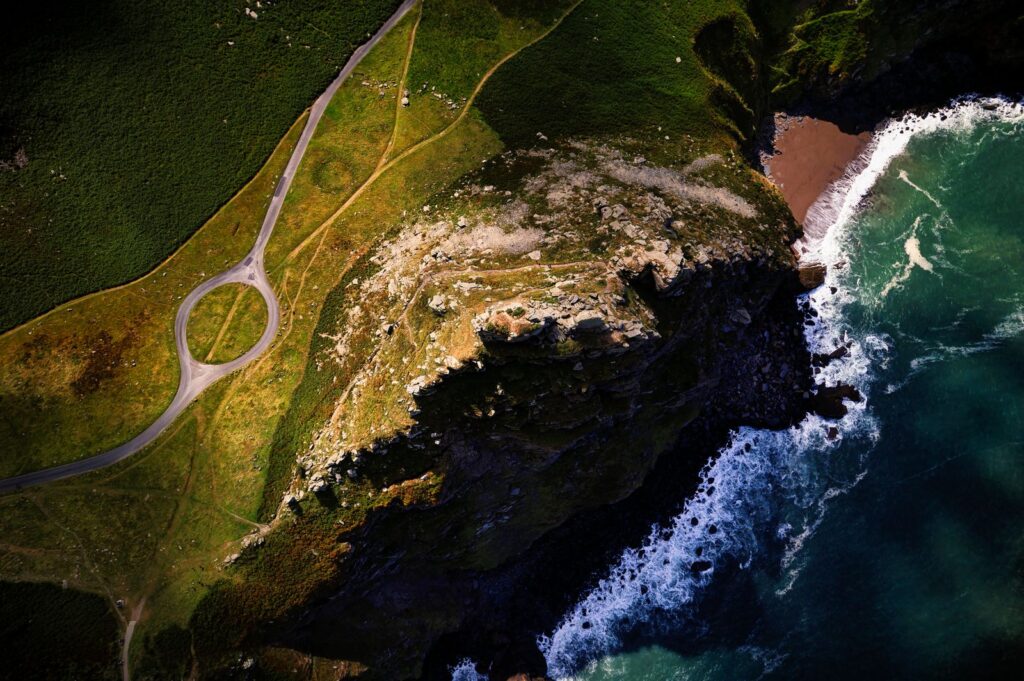
Cornwall is the UK’s classic coastal escape, and it is made for a slow road trip. A good route starts in the south, around Falmouth or Penzance, and works its way around the coast to St Ives and Padstow, with detours inland to the moors and gardens. The county has sandy beaches, fishing harbours, cliff-top walks and gardens that benefit from the mild climate. St Ives is famous for its light, its beaches and its arts scene, while Falmouth, Padstow and Penzance each have their own character and make good bases. The South West Coast Path runs around the Cornish coast and offers some of the finest walking in the country, so build in time to leave the car and walk a section of it. Allow at least three to four days for the coast, because Cornwall is a longer journey for many travellers and the lanes are slow. Summer brings the crowds and the highest prices, so consider May, June or September, when the light is good, the roads are quieter and the gardens are at their best. Book restaurants and accommodation in advance in St Ives and Padstow, and remember that Cornish lanes are narrow, with high hedges and few passing places, so drive slowly and expect to reverse into a gateway now and then.
Lake District Loop: Lakes, Fells And Villages
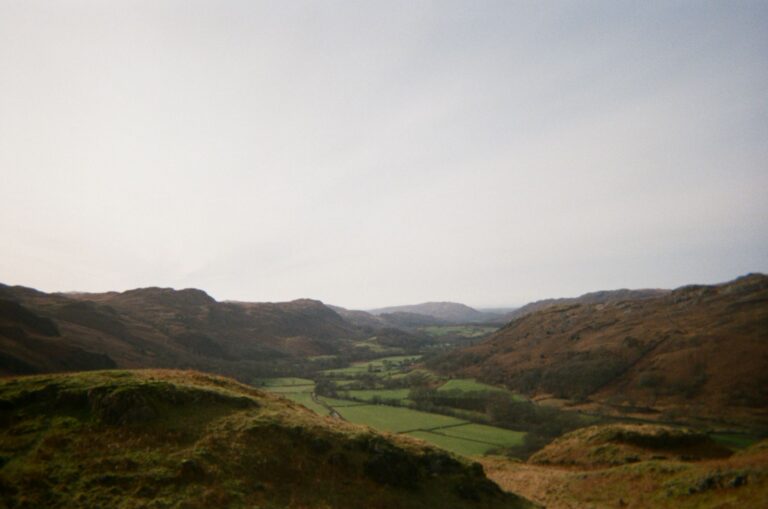
The Lake District is England’s largest national park and one of its most loved landscapes, and a driving loop is the best way to see its variety. National Parks UK has visitor information for every park on these routes. Base yourself in the south, around Windermere or Ambleside, then drive north over the passes to Keswick and Grasmere, and west to the quieter valleys around Buttermere and Wasdale. Lake Windermere, the largest natural lake in England, is the natural centre for a first visit, with boat trips, lakeside walks and the towns of Bowness and Ambleside close by. Keswick, on Derwentwater, is a good base for the northern fells, and Grasmere is the prettiest of the villages, with its lake, its church and its famous gingerbread. The passes are the highlight and the challenge: Wrynose and Hardknott are steep, narrow and not for nervous drivers, so check your route and take the gentler valleys if you prefer. Allow three to four days for a proper loop, with time for at least one walk and one lake cruise. The Lake District is a UNESCO World Heritage Site, and its lakes, fells and stone villages have drawn visitors for generations. Stay in a smaller village rather than Bowness if you want quieter evenings, and arrive at popular car parks before 10 in the morning on sunny weekends.
Peak District: Moors, Dales And Market Towns
The Peak District was the first UK national park, designated in 1951, and it is the easiest of these trips to reach, sitting between Manchester, Sheffield and Derby. A good route starts in Bakewell, famous for its pudding and its Monday market, then runs through the limestone dales to Castleton, with its show caves and the ruins of Peveril Castle, and on to the moorland edges of the Dark Peak. The White Peak, in the south, is gentler, with green valleys, dry-stone walls and villages such as Tissington and Hartington, while the Dark Peak, in the north, is wilder, with gritstone edges, heather moorland and big skies. The Snake Pass and the road over the Cat and Fiddle are scenic drives in themselves, and the villages of Edale, Hathersage and Eyam each have their own stories. Allow two to three days, and mix driving with walking, because the dales are best seen on foot. The Peak District is also a good base for a longer trip: the Yorkshire Dales lie to the north, and the towns of Buxton and Matlock make good overnight stops. Book accommodation early for bank holidays, when the park fills with walkers and cyclists, and keep an eye on the weather, because the high moors can be cold and windy even in summer.
Cotswolds: Stone Villages And Slow Lanes
The Cotswolds are the gentlest road trip on this list, and one of the prettiest. The region is known for its golden-stone cottages, quaint villages and scenic rolling hills, and the driving is easy, with quiet lanes, market towns and plenty of places to stop for tea. A good route runs from Chipping Campden in the north, through Broadway and Stow-on-the-Wold, to Bourton-on-the-Water, nicknamed the Venice of the Cotswolds, and Bibury, often called the most beautiful village in England. Cirencester, the old Roman town, makes a good base, with its market square, its church and its museum. Take the trip slowly: walk part of the Cotswold Way, explore a village church, browse a farm shop, and stop for a pub lunch. Allow two to three days, and stay in a village rather than a town for the full effect. The Cotswolds are at their best in late spring, when the gardens are full, and in autumn, when the stone turns gold in the low sun. Avoid the busiest villages at midday in August, and visit Bibury and Bourton-on-the-Water early in the morning or late in the afternoon, when the coaches have gone and the lanes are quiet.
How To Plan A UK Road Trip
A good UK road trip needs less planning than a foreign one, but a few habits make it far better. First, keep daily driving short: 100 miles on British country roads can take three hours, so plan for two to three hours behind the wheel a day and leave the rest for stopping. Second, book accommodation in advance on the popular routes, especially the North Coast 500, Cornwall and the Lake District, where small villages have few rooms and summer sells out. Third, check your car before you leave: tyres, oil, coolant and a full tank, because fuel stations are scarce on the NC500 and in the remoter dales. Fourth, download offline maps, because phone signal drops in the Highlands, the moors and the deep valleys. Fifth, remember that Britain drives on the left, and country roads can be narrow, with blind bends and farm traffic, so slow down and use passing places. Finally, build in a spare day if you can, because the best moments on a road trip are the unplanned ones: a viewpoint you did not expect, a village fete, a beach at low tide. For more inspiration on where to stop, see our pick of the sites to see in the UK, and if you only have a weekend, our UK weekend breaks guide has short-trip ideas that pair well with these routes.
What To Pack For The Drive
Packing for a UK road trip is simple, but the right kit saves trouble. Bring layers and a waterproof jacket, because the weather can change in an hour, even in July, and mountain and coastal roads are colder than the towns. Bring comfortable walking shoes, because every route in this guide is better with at least one walk, and bring a paper map or a downloaded map as a backup to your phone. Pack snacks and water, because cafes can be far apart on the NC500 and in the remoter dales. Bring a car charger and a cable for your phone, and a small bag for litter, because bins are scarce on country lanes. If you are hiring a car, check the size before you book: a small car is easier on single-track roads and narrow Cornish lanes than a large one, and a large motorhome will struggle on the Bealach na Bà and the Lake District passes. Keep a blanket and a torch in the boot in winter, and check the forecast each morning before you set off.
Frequently Asked Questions
What is the best UK road trip for first-timers?
The Lake District loop is the best first UK road trip, because the distances are short, the scenery is superb, and there are plenty of villages, car parks and places to eat. The Cotswolds are the easiest drive if you want something gentler.
How long does the North Coast 500 take?
The North Coast 500 is 516 miles (830 km) around the far north of Scotland. Most people take five to ten days, with seven days the recommended length for a first trip. Pure driving time is about 14 hours, but the roads are slow and the stops are the point.
Can you drive the North Coast 500 in a normal car?
Yes, a normal car is ideal, and it is better than a large motorhome on the single-track sections. The Bealach na Bà pass is not suitable for learner drivers, large motorhomes or caravans, and there is a longer coastal road via Shieldaig if you need it.
When is the best time for a UK road trip?
May, June and September are the best months for most routes, with long days, mild weather and fewer crowds. July and August are busiest, especially in Cornwall and the Lake District. Winter suits experienced drivers, but the Highland passes can close in snow.
Do I need to book accommodation in advance?
Yes, on the North Coast 500, in Cornwall and in the Lake District, book well in advance, because the villages are small and rooms sell out in summer. In the Peak District and the Cotswolds you have more choice, but weekends and bank holidays still book up.

Leave a Reply