
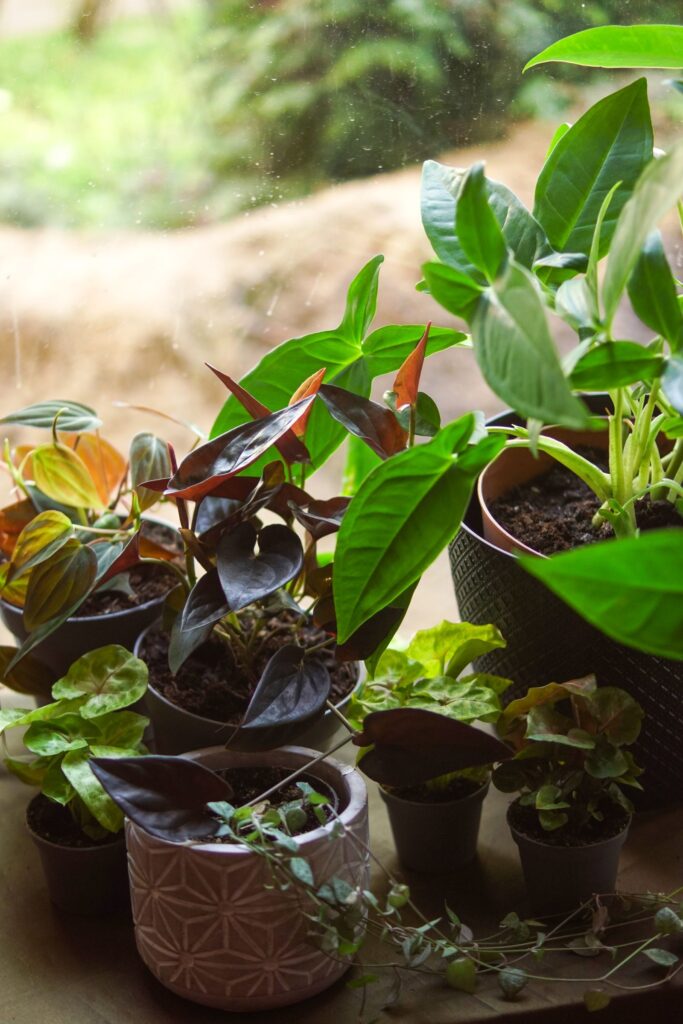
Most houseplants die for the same two reasons: too much water, or the wrong spot. The good news is that both are easy to fix once you understand what a plant actually needs. A houseplant needs the right amount of light, water only when the soil has dried, reasonable humidity, and a pot with drainage.
Start By Matching The Plant To The Room
The most useful step in houseplant care happens before you buy anything: match the plant to the conditions your room already has. A bright, south-facing living room suits plants that like strong light, while a north-facing bedroom with one small window suits plants that tolerate shade. Look at the room honestly, including in winter, when daylight is weaker and shorter. A plant that thrives on a sunny summer windowsill can struggle in the same spot in January.
Read the care label that comes with the plant, and keep it. It tells you the light the plant needs, how often to water, and the lowest temperature it can tolerate. If the label is missing, look the plant up by name before you buy it. Choosing a plant that suits your room is far easier than changing your room to suit a plant. If you are decorating with plants as part of the room, our guide to accessorize kitchen has ideas for placing herbs and small pots in a kitchen, and the same thinking applies anywhere: put the plant where it will grow, not just where it looks good in a photo.
How Much Light Do Houseplants Need?
Light is the one condition you can measure easily. The Royal Horticultural Society (RHS) advises researching each plant to see how much light is best for good growth, and notes that flowering houseplants often need more light than foliage plants. In winter, houseplants benefit from full sunlight when daylight is weak. In summer, strong sunlight through glass can scorch the leaves of plants that dislike direct sun, so a sheer curtain or a spot a little back from the window helps.
A simple test is the shadow test. Hold your hand about 30 centimetres above the plant at midday and look at its shadow on the leaves. A sharp, dark shadow means bright direct light. A soft, pale shadow means bright indirect light, which suits most houseplants. Almost no shadow means the spot is too dark for most plants, and you should choose a shade-tolerant plant or move the plant closer to the window. Turn the pot a quarter turn every week or two, so the plant grows evenly instead of leaning towards the light.
How To Water Houseplants Properly
Watering is where most beginners go wrong, and the rule is simple: check the soil first, and never water by the calendar. The RHS advises watering when the surface of the compost has become dry, and warns against watering routinely without checking that the pot needs water first. Push a finger into the compost to the second knuckle. If it feels cool and damp, wait. If it feels dry and crumbly, water. A pot that feels noticeably lighter than it did just after watering is also ready for a drink.
When you do water, do it properly. Bring the water to room temperature first, especially in winter, because cold water can shock the roots. The RHS also notes that chlorine in tap water can harm plants, so letting tap water stand in an open container for at least 24 hours allows the chlorine to dissipate. Water the pot thoroughly until water runs out of the drainage hole at the bottom, then let it drain completely. Never leave a plant sitting in a saucer full of water, because roots standing in water will rot. If the plant sits in a decorative outer pot, tip the excess water out about half an hour after watering.
How often you water depends on the season, the room and the plant. Plants in a warm room need water more often than plants in a cool room, and pots dry out faster in winter when central heating lowers the humidity. Most foliage houseplants need watering roughly once a week in summer and less often in winter, but treat that as a rough guide only: always check the soil first. Succulents and cacti need far less, often only once every two to four weeks in summer, because they store water in their leaves.
Humidity And Temperature
Many popular houseplants come from tropical forests, where the air is far more humid than in a centrally heated home. Heated rooms in winter can fall to 10 to 30 percent relative humidity, while many tropical plants are used to much higher levels. Low humidity shows up as brown, crispy leaf edges and new leaves that stick or tear as they open. The RHS suggests three ways to raise humidity: stand the plant on a saucer over a tray of moist gravel, group plants together so they benefit from the moisture given off by each other’s leaves, and mist the leaves, which helps if done often.
Temperature matters too. Most houseplants are comfortable at normal room temperatures, roughly 18 to 24 degrees Celsius during the day and a little cooler at night, and they can be damaged below about 10 degrees. Keep plants away from radiators and hot-air vents, which dry the air and scorch leaves, and away from cold draughts and doors that open onto winter air. In winter, houseplants can be left for a week or two without water as long as the room stays cool, which makes holiday care much easier than many people expect.
Soil, Pots And Repotting
Ordinary garden soil is too heavy for pots, so houseplants need a free-draining compost made for containers. A general-purpose houseplant compost suits most plants, and you can add a little perlite or coarse grit to improve drainage for plants that dislike wet roots, such as succulents and snake plants. The most important feature of any pot is a drainage hole. Containers should always have one so excess water can escape, and if your decorative pot has no hole, keep the plant in its plastic nursery pot inside it and tip out the extra water after watering.
Repot when the plant outgrows its pot, usually every one to two years, or when you see roots coming out of the drainage hole or circling the surface of the compost. Spring is the best time, when the plant is starting to grow again. Choose a pot only one size larger than the old one, because a pot that is far too big holds wet compost around the roots and invites rot. Gently tease out the roots, remove loose old compost, place the plant at the same depth as before, and fill around it with fresh compost. Water it in, then leave it somewhere bright but out of direct sun for a week while it settles.
Feeding Your Houseplants
Houseplants use up the nutrients in their compost, so they need feeding during the growing season. The RHS advises that plants are best fed from March to October, and that feeding in winter should be limited. Use a balanced liquid houseplant feed, diluted to the strength on the bottle, roughly every two to four weeks in spring and summer. More feed is not better: too much fertiliser can burn roots and leave a white crust on the soil surface. If you have just repotted into fresh compost, wait a month or two before feeding, because fresh compost already contains nutrients.
Common Problems And What They Mean
- Yellow, soft leaves that fall off easily usually mean too much water. Let the compost dry out, check that the pot drains, and water less often.
- Dry, brown, crispy leaf edges usually mean too little water or air that is too dry. Water thoroughly and raise the humidity with a pebble tray or by grouping plants.
- Leaves that go pale or lose their pattern usually mean too little light. Move the plant closer to a window, but not into harsh direct sun.
- Scorched brown patches on leaves usually mean too much direct sun. Move the plant back from the window or add a sheer curtain.
- Small flies around the compost usually mean the surface is staying too wet. Let the top of the compost dry between waterings and remove dead leaves from the surface.
- White, fluffy patches or tiny insects on the leaves are usually pests such as mealybug or aphids. Wipe them off with a damp cloth, isolate the plant from your other plants, and check it every few days until they are gone.
Easy Houseplants For Beginners
If you are just starting out, choose plants that forgive mistakes. Pothos tolerates low light and missed waterings, and its trailing stems look good on a shelf or in a hanging pot. The snake plant needs very little water and copes with dry air and dim corners. The spider plant is tough, grows quickly and produces baby plants you can pot up. The peace lily tells you when it is thirsty by drooping, then recovers quickly after watering, and it flowers in low light. Monstera is a good choice if you have a bright spot and room for a large plant, since its split leaves make a strong feature in a living room. Start with two or three, learn how they behave in your home, and add more once you are confident.
Conclusion
Caring for houseplants is less about a strict routine and more about paying attention. Check the soil before you water, give the plant as much light as it needs, keep it away from radiators and cold draughts, and feed it only in the growing season. When a plant looks unhappy, its leaves usually tell you what is wrong.
Frequently Asked Questions
How Often Should I Water My Houseplants?
There is no fixed schedule that suits every plant. Check the compost with your finger first, and water only when the top few centimetres feel dry. Most foliage houseplants need water roughly once a week in summer and less often in winter, while succulents need far less. Always check the soil rather than watering on the same day each week.
Why Are My Houseplant Leaves Turning Yellow?
Yellow leaves most often mean too much water, especially if they feel soft and fall off easily. Let the compost dry out and make sure the pot has drainage and is not sitting in water. Yellow leaves can also be caused by cold draughts or very low light, so check the plant’s position as well.
Do Houseplants Need Direct Sunlight?
Most houseplants prefer bright indirect light rather than direct sun, which can scorch their leaves through glass. A few, such as succulents and cacti, cope well with direct sun. Flowering houseplants usually need more light than foliage plants. If a plant’s leaves go pale or it stops growing, it probably needs a brighter spot.
Should I Mist My Houseplants?
Misting can help raise humidity, but only if done often, and it is not a substitute for proper watering. Grouping plants together or standing pots on a tray of moist gravel raises humidity more reliably. Avoid misting plants with hairy leaves, such as African violets, because water sitting on the leaves can mark them.
When Should I Repot A Houseplant?
Repot in spring when you see roots coming out of the drainage hole, circling the surface of the compost, or when growth has slowed even though you are watering and feeding. Choose a pot only one size larger than the old one, use fresh compost, and water the plant in well afterwards.


Leave a Reply