
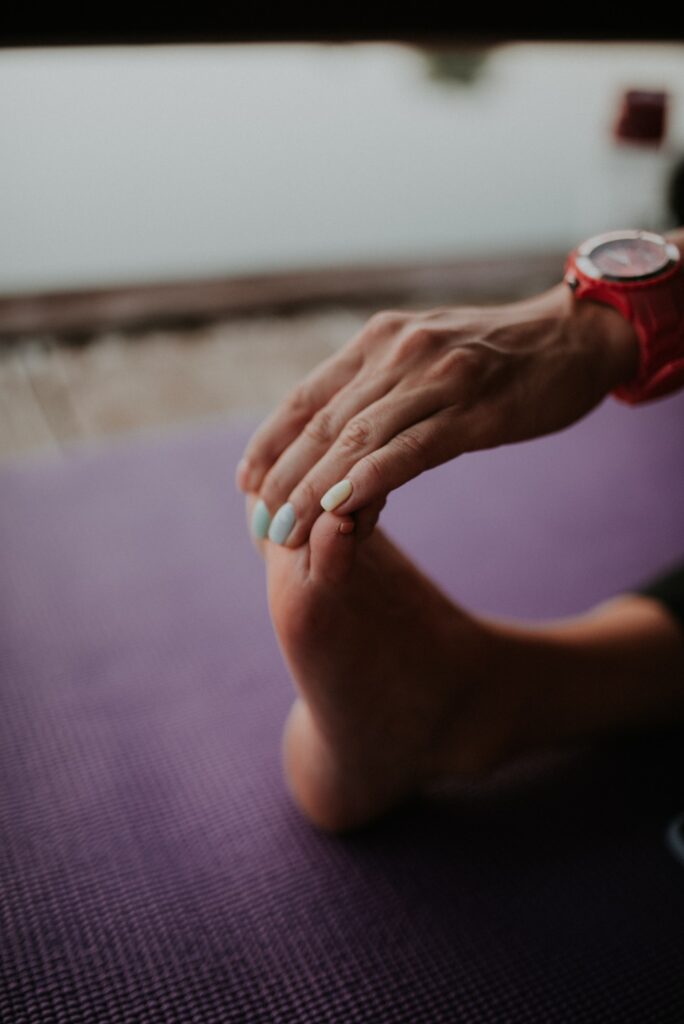
Knowing how to cool down after exercise is mostly about finishing gradually rather than stopping dead. A good cool down keeps you moving at a slower pace for a few minutes, lets your breathing settle, and then adds gentle stretches for the muscles you have just used. It takes only a short time, needs no special equipment, and gives your body a calmer route back to rest after hard work.
What A Cool Down Actually Does
During exercise your heart beats faster, your breathing deepens and your blood vessels widen to move blood around working muscles. When you stop suddenly, that system has to adjust all at once. Cooling down eases the transition. As Mayo Clinic explains, cooling down after a workout lets your heart rate and blood pressure slowly recover towards their pre-exercise levels. The Cleveland Clinic makes a similar point, noting that a gradual slowdown helps bring heart rate, blood pressure and breathing back towards a resting state, while stopping abruptly can leave some people feeling dizzy or lightheaded.
That gradual return to rest is the core purpose. A cool down is not magic, and it is worth being honest about its limits. Mayo Clinic notes that cooling down does not seem to reduce muscle stiffness and soreness after exercise, although more research is needed, and that studies have not regularly shown that stretching prevents soreness or injury. So the honest reasons to cool down are a steadier finish, a chance to stretch warm muscles for flexibility, and a few calm minutes that help you notice how your body feels after the session.
How Long A Cool Down Should Take
For most workouts, five to ten minutes is a practical target. Cleveland Clinic suggests a cool down of roughly three to ten minutes, with three minutes as a minimum and longer after harder or higher-intensity sessions. Mayo Clinic gives similar examples: after a brisk walk, walk slowly for five to ten minutes; after a run, walk briskly for five to ten minutes; after swimming, swim slower laps for five to ten minutes.
Use your breathing as a guide. By the end of the movement stage, you should be able to speak in full sentences comfortably and feel your heart rate coming down rather than pounding. After an easy session, a shorter cool down may be enough. After intervals, a long run or a demanding class, give yourself the longer end of the range.
Stage One: Slow The Movement Down
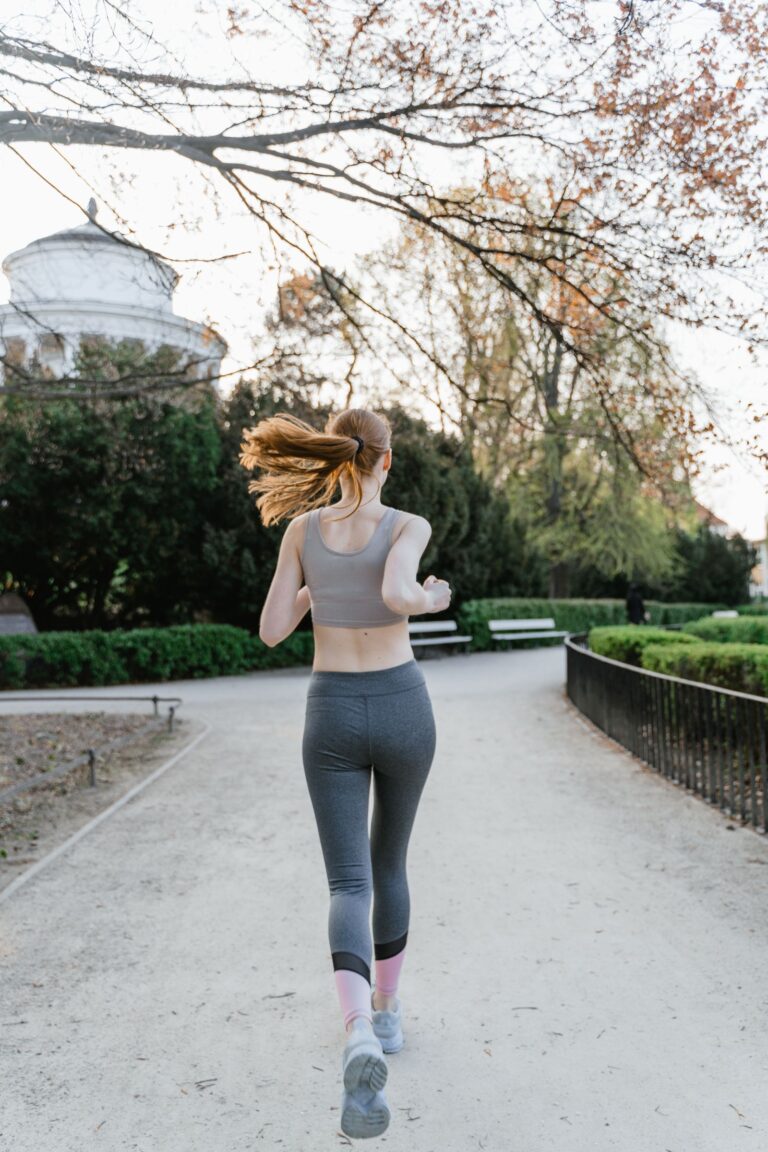
The first stage is simple: keep doing a gentler version of what you were doing. Runners can ease into a brisk walk and then a slower walk. Cyclists can pedal lightly. Swimmers can finish with easy laps. If your workout was a home circuit or a class, walk around the room, march gently on the spot or move through easy, low-effort versions of the movements you have just done.
Aim for a smooth slope rather than a cliff. Reduce the effort in steps over a few minutes instead of going from full effort to sitting down. Standing still and chatting while your heart is still racing is not the same as cooling down, because the light movement is what helps the transition feel gradual.
This stage also matters for safety. If you feel dizzy, nauseous, unusually breathless or unwell at the end of a workout, do not push through a routine. Sit or lie down somewhere safe, and seek medical help if symptoms are severe, persistent or worrying, such as chest pain or fainting.
Stage Two: Stretch The Muscles You Used
Once your breathing has settled, add gentle static stretches for the main muscles you worked. Muscles are warm at this point, which makes the end of a workout a sensible time to stretch for flexibility and range of motion. Hold each stretch still, breathe steadily and aim for a mild pull rather than pain. Never bounce, and ease off if a stretch feels sharp or uncomfortable.
A simple full-body sequence covers most workouts:
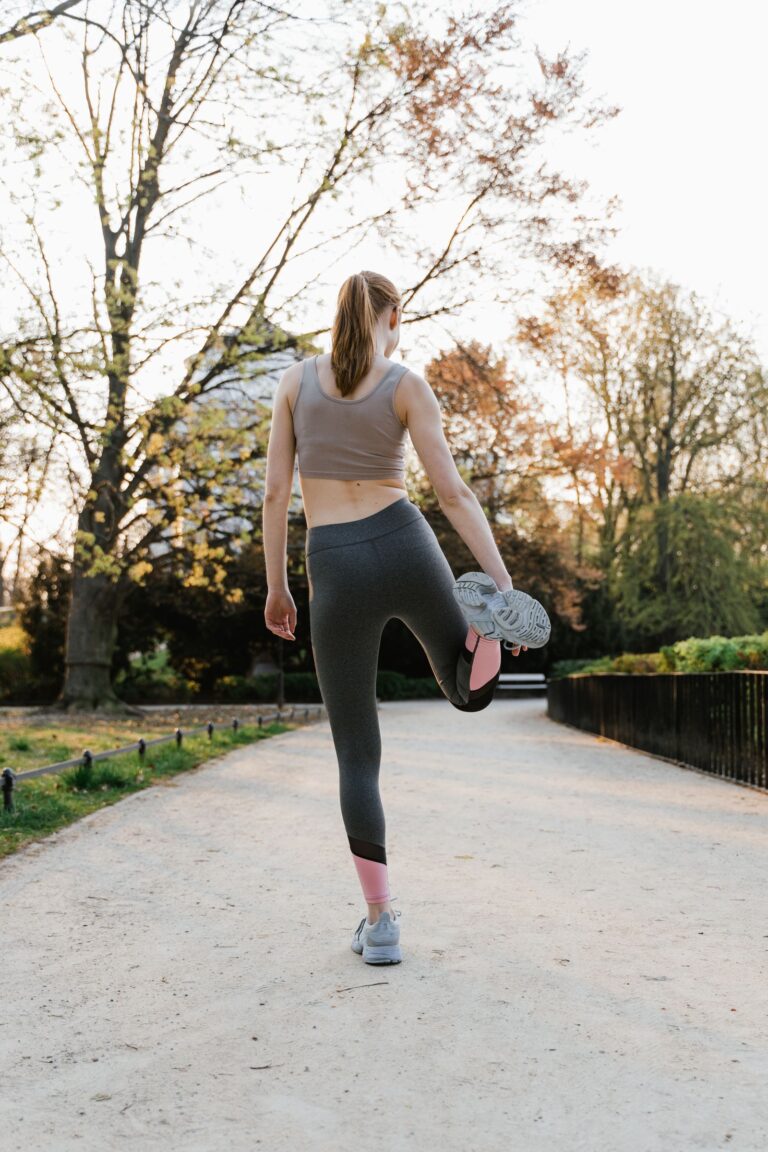
- Standing quadriceps stretch: hold a wall or chair for balance, bend one knee and bring your heel towards your glute, holding your ankle if comfortable. Hold for about thirty seconds, then switch sides.
- Hamstring stretch: place one heel on a low step or keep the leg straight in front of you, then hinge forward from the hips with a straight back until you feel a gentle stretch behind the thigh. Hold for about thirty seconds, then switch sides.
- Calf stretch: face a wall, step one foot back with the heel pressed down and the back leg straight, then lean gently forwards. Hold for about thirty seconds, then switch sides.
- Hip flexor stretch: kneel on one knee with the other foot in front, keep your back straight and shift your hips forwards slightly until you feel a stretch at the front of the hip. Hold, then switch sides.
- Chest and shoulder stretch: bring one arm across your chest and hold it gently with the other hand, keeping your shoulders down. Hold, then switch sides.
- Overhead reach: interlace your fingers and reach both arms upwards, lengthening through your sides and upper back for a few slow breaths.
You do not need every stretch after every session. A runner might focus on calves, hamstrings, quadriceps and hips. Someone finishing an upper-body session might spend more time on shoulders, chest and arms. Choose the stretches that match the work you did, and give both sides equal attention.
Stage Three: Breathe And Finish Calmly
The final stage is a minute or two of slower breathing. Stand or sit comfortably, let your shoulders drop, and breathe in gently through your nose before breathing out slowly. This is not a complicated technique. It simply gives your breathing and heart rate a little more time to settle and marks a clear end to the workout.
This calm finish also helps you check in with your body. Notice any tightness, unusual aches or areas that feel overworked. That information is useful when you plan your next session, because it can tell you whether to repeat the same workout, ease off, or give a muscle group more recovery time.
A Simple Cool Down Routine To Copy
If you want one routine you can repeat without thinking, use this structure:
- Minutes one to five: walk or move gently, gradually slowing down until your breathing feels comfortable.
- Minutes five to nine: stretch the main muscles you used, holding each stretch for about thirty seconds on each side.
- Final minute: stand still, breathe slowly and let your shoulders relax.
That gives you a cool down of roughly ten minutes. On busy days, a shorter version still counts: three to five minutes of slower movement, followed by two or three key stretches. A brief, consistent cool down is better than an elaborate one you only do occasionally.
Cool Downs For Common Workouts
After Running
Finish your run by walking briskly for a few minutes, then slowing to an easy walk. Follow with calf, hamstring, quadriceps and hip stretches. If you are building a running habit, our guide on how to start running covers pacing and progression, which matter far more for avoiding soreness than any single stretch.
After Home Workouts
Home sessions often end abruptly because the video stops or the timer ends. Add your own finish: walk around the room, shake out your arms and legs gently, then stretch the muscles you used. If you train at home regularly, the ideas in exercise at home can help you build sessions with a proper beginning and end.
After Strength Training
Walk slowly for a few minutes, then stretch the muscle groups you trained. Keep the stretches gentle, since tired muscles do not need aggressive pulling. A few slow breaths between stretches can help you stay relaxed rather than forcing range you do not have that day.
How A Cool Down Differs From A Warm Up
A warm up prepares you for exercise by gradually raising your heart rate and warming your muscles, while a cool down reverses that process at the end. They are partners, not substitutes. Static stretches held still generally belong at the end, when muscles are warm, whereas the start of a session usually suits gentle, moving preparation. For the other half of the routine, see our guide on how to warm up before exercise.
Common Cool Down Mistakes
A few habits reduce the value of an otherwise good finish:
- Stopping abruptly and sitting down while your heart is still racing.
- Stretching cold or only stretching one side.
- Bouncing in a stretch or pushing into pain.
- Holding your breath while stretching.
- Treating a cool down as protection against doing far too much in the main session.
That last point matters. A cool down cannot compensate for a workout that was far beyond your current fitness. Progressing gradually, resting between hard sessions and stopping when something hurts are more important than any finishing routine.
Know When To Seek Advice
This article is for general information only and is not medical advice. It does not replace guidance from a qualified health professional. Speak to your GP or another qualified clinician before starting or changing an exercise routine if you have a heart condition, high blood pressure, diabetes, joint problems, or any condition that affects exercise safety. Seek urgent medical help for chest pain, severe breathlessness, fainting or symptoms that feel serious or unusual for you.
Frequently Asked Questions
How Long Should I Cool Down After Exercise?
For most people, five to ten minutes works well, with about three minutes as a minimum after easier sessions. Harder workouts usually deserve the longer end of the range. Your breathing settling and your heart rate coming down are good signs that the movement stage has done its job.
Does Cooling Down Prevent Muscle Soreness?
Not reliably. Mayo Clinic notes that cooling down does not seem to reduce stiffness and soreness after exercise, and that stretching has not regularly been shown to prevent soreness or injury. A cool down is still worthwhile for a gradual return to rest and for flexibility, but it is not insurance against next-day aches.
Should I Stretch Before Or After Exercise?
Gentle static stretches are generally best placed after exercise, or after a warm up, when muscles are warm. Before a workout, gradual movement that prepares you for the activity is usually the better choice. Stretching should always feel mild rather than painful.
What Is The Best Cool Down After Running?
Walk briskly for a few minutes, then slow to an easy walk until your breathing settles. After that, stretch your calves, hamstrings, quadriceps and hips, holding each stretch for about thirty seconds per side. Finish with a few slow breaths.
Can I Skip The Cool Down If I Am Short On Time?
A short cool down is better than none. Even three to five minutes of slower walking, plus a couple of key stretches, gives your body a gentler finish. If time is regularly tight, shorten the main workout slightly rather than cutting the finish every time.
Final Thoughts
A good cool down is simple: slow down gradually, stretch the muscles you used, and breathe until you feel settled. It will not erase a hard workout or guarantee a soreness-free tomorrow, and it does not need to. Done consistently, it gives every session a calmer, more controlled ending, which is reason enough to keep it.


Leave a Reply