
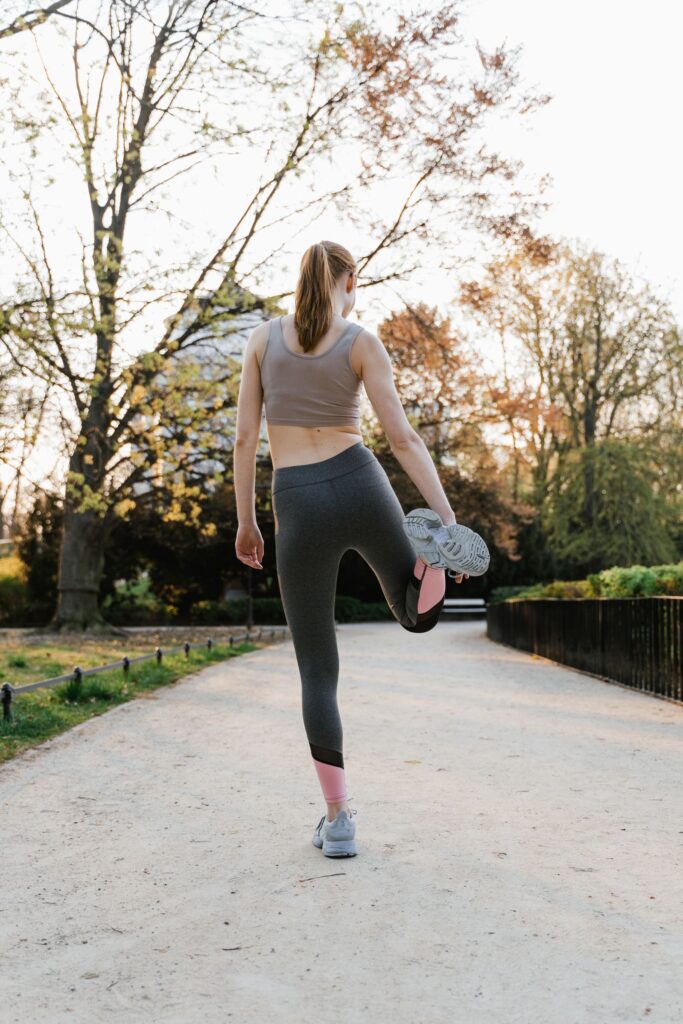
Learning how to warm up before exercise takes only a few minutes, and it makes every workout feel easier and safer. A good warm up gradually raises your heart rate, warms your muscles, and moves your joints through their range of movement before the harder work begins. You do not need equipment or much space. This guide explains why warming up matters, gives you a simple routine you can use before almost any exercise, and shows how to adapt it for running, home workouts, cycling and strength training.
Why Warming Up Matters
When you have been sitting at a desk or resting on the sofa, your body is in a low gear state. Your heart rate is low, your muscles are cool, and your joints feel stiff. Jumping straight into vigorous exercise asks your body to switch gears instantly, which can feel uncomfortable and may raise the risk of strains and aches.
A warm up bridges that gap. Gentle, rhythmic movement increases blood flow to your muscles, raises your body temperature, and prepares your heart and lungs for harder effort. Your joints move more freely and your coordination improves, so the first minutes of your workout feel controlled rather than clumsy. NHS guidance is clear that you should warm up before moderate or vigorous activity such as jogging, running or cycling, for between five and ten minutes, starting slowly and building up how fast you move.
What A Good Warm Up Looks Like
An effective warm up has three qualities. First, it starts gently and builds gradually, rather than beginning at full speed. Second, it moves the whole body, with extra attention to the muscles and joints your workout will use most. Third, it resembles the exercise ahead in a lighter form, so your body rehearses the movements it is about to perform.
For example, before a run, brisk walking rehearses the leg movement of running at a lower intensity. Before a home strength session, slow squats and arm movements rehearse the patterns you will use with more effort. This is why one routine does not fit every workout perfectly, even though a general routine works well as a starting point. It is also worth knowing the difference between warming up and stretching: a warm up uses movement to raise temperature, while long, held stretches are better saved for after exercise, when muscles are warm.
A Simple Six Minute Warm Up Routine
The NHS warm up routine should take at least six minutes, and you can warm up for longer if you feel the need. It needs no equipment and can be done in a living room, a garden, or a quiet corner of a gym. Follow the moves in order, keeping the pace comfortable and controlled.
March On The Spot For Three Minutes
Start by marching on the spot, then march forwards and backwards if you have space. Pump your arms up and down in rhythm with your steps, keeping your elbows bent and your fists soft. Begin gently and gradually lift your knees a little higher as you feel warmer. By the end of three minutes, your breathing should be slightly faster and your body should feel awake.
Heel Digs For Sixty Seconds
Place alternate heels to the front, keeping the front foot pointing up, and punch out gently with each heel dig. Keep a slight bend in the supporting leg. Aim for around sixty heel digs in sixty seconds, but move at a pace that feels steady rather than rushed. This move warms the front and back of the legs while keeping the effort low.
Knee Lifts For Thirty Seconds
Stand tall and bring alternate knees up to touch the opposite hand. Keep your tummy muscles gently tight and your back straight, with a slight bend in the supporting leg. Aim for around thirty knee lifts in thirty seconds. If touching the opposite hand feels difficult, simply lift each knee as high as is comfortable.
Shoulder Rolls, Two Sets Of Ten
Keep marching gently on the spot while you roll your shoulders forwards five times and backwards five times, letting your arms hang loose by your sides. Repeat the set once more. Shoulder rolls release tension from the neck and upper back, which is especially helpful if you have been sitting at a screen before exercising.
Knee Bends, Ten Repetitions
Stand with your feet shoulder width apart and your hands stretched out in front of you. Lower yourself no more than about ten centimetres by bending your knees, then come back up and repeat. These small knee bends prepare your knees, hips and ankles for squats, lunges, running and cycling without putting them under heavy load.
Once you have finished the routine, you should feel warm, slightly breathless, and ready to move. If you still feel cold or stiff, repeat the marching and knee lifts for another minute or two.
How To Adapt The Warm Up For Your Workout
The general routine above prepares you for most exercise, but a few small additions make it work even better for specific activities.
Before Running Or Brisk Walking
After the general routine, walk briskly for a few minutes before you start jogging. This gradual rise in pace is built into beginner running plans for good reason: it lets your legs adjust to the rhythm of running before the effort increases. If you exercise at home on other days, the same principle applies to any session that raises your heart rate, as our guide to exercise at home explains.
Before Strength Training At Home Or In The Gym
Add slow, unweighted versions of the moves you are about to do, such as gentle squats and wall press ups. Start your first working set with a lighter weight or easier variation, then build up.
Before Cycling
Begin with several minutes of easy pedalling at a low resistance, then gradually increase the effort. Add the shoulder rolls and gentle trunk movements from the general routine if your back and shoulders tend to feel stiff on the bike.
Before Yoga Or Gentle Exercise
Even gentle exercise benefits from a warm up. Start with easy movement and breathing for a few minutes before deeper stretches, and never force a stretch. Our guide to yoga benefits makes the same point: warm up gently, especially when practising at home without a teacher, and ease off if anything feels uncomfortable.
Before Sports And Games
Sports involving quick changes of direction or sprinting need a slightly longer warm up that builds towards faster movement. Start with the general routine, then add gradually quicker steps and light jogging until you feel ready for full speed.
How Long Should A Warm Up Take
For most workouts, five to ten minutes is enough. NHS inform guidance recommends a warm up of between five and ten minutes before activity, and a cool down of a similar length afterwards. Colder days, early morning sessions and harder workouts may call for the longer end of that range. A useful test is how you feel at the end: you should feel warm, your breathing should be faster than at rest, and your joints should move freely. If you feel exhausted, the warm up was too hard; it should prepare you, not tire you out.
Common Warm Up Mistakes To Avoid
- Skipping the warm up completely because time is short; even three minutes of gentle movement is better than none
- Starting too fast, which defeats the purpose of building up gradually
- Holding long, deep stretches on cold muscles before moving
- Warming up only one area, such as the legs, when the workout also uses the arms, back and shoulders
- Bouncing or forcing movements to reach further than is comfortable
- Treating the warm up as wasted time rather than part of the session
The most common mistake is simply not leaving time. Build the warm up into your planned session length rather than adding it as an afterthought.
Cooling Down After Exercise
Warming up has a partner: the cool down. After your main exercise, slow down gradually for five to ten minutes, turning a run into a jog and a jog into a walk, or easing off the pace of whatever you were doing. Then stretch gently, holding each stretch for around ten to fifteen seconds, while your muscles are warm. Cooling down helps your heart rate and breathing return to normal gradually. Looking after your joints with regular movement and strengthening work supports this whole process, as our joint care guide explains.
When To Take Extra Care
Warm up exercises are general exercises. They are suitable for most people in good health with a reasonable level of fitness, and they are not aimed at treating any specific cause of pain or condition. The NHS advises getting advice from a healthcare professional, such as a GP, before trying new exercises if you are not sure they suit your current fitness, if you have a health problem or injury, if you have had a recent health event such as a heart attack or operation, or if you are pregnant or have recently given birth.
Stop exercising immediately if you feel pain or become unwell. If symptoms concern you or do not go away, seek medical advice promptly. A warm up reduces strain and prepares the body, but it cannot guarantee that exercise will be free of risk for everyone, which is why personal medical advice matters when your situation is not straightforward.
A Quick Recap
- Warm up for five to ten minutes before moderate or vigorous exercise
- Start slowly, build up gradually, and move the whole body
- Use marching, heel digs, knee lifts, shoulder rolls and knee bends as your base
- Save long, held stretches for the cool down, and stop if you feel pain
A warm up is not wasted time. It is the part of the session that makes the rest of the session work better.
This article is general information only and is not medical advice. It does not replace advice from a GP or another health professional. If you have a health condition, an injury, or any concern about whether an exercise is right for you, speak to a GP or health professional for personal advice before starting.
Frequently Asked Questions
How Long Should I Warm Up Before Exercise
Aim for five to ten minutes. The NHS warm up routine takes at least six minutes, and you can continue for longer if you still feel cold or stiff. Harder workouts and cold days usually need a slightly longer warm up.
Can I Stretch Before Exercising
Gentle movement is better than long held stretches before exercise. Warm up with rhythmic movement first, and save deeper stretching for your cool down, when your muscles are warm.
What Is The Best Warm Up For Beginners
A simple routine of marching on the spot, heel digs, knee lifts, shoulder rolls and knee bends works well for beginners. It needs no equipment, moves the whole body, and can be done at home in about six minutes.
Do I Need To Warm Up Before A Short Workout
Yes. Even a short session benefits from a few minutes of gentle movement first.
What Should I Do If A Warm Up Move Hurts
Stop that move. Warm up movements should feel comfortable and controlled, never painful. Try a smaller, gentler version, and seek professional advice if pain continues or you are worried about symptoms.
Should I Warm Up Differently For Different Exercises
The base routine stays similar, but add light rehearsals of your workout movements, such as brisk walking before running or easy pedalling before cycling.




Leave a Reply