
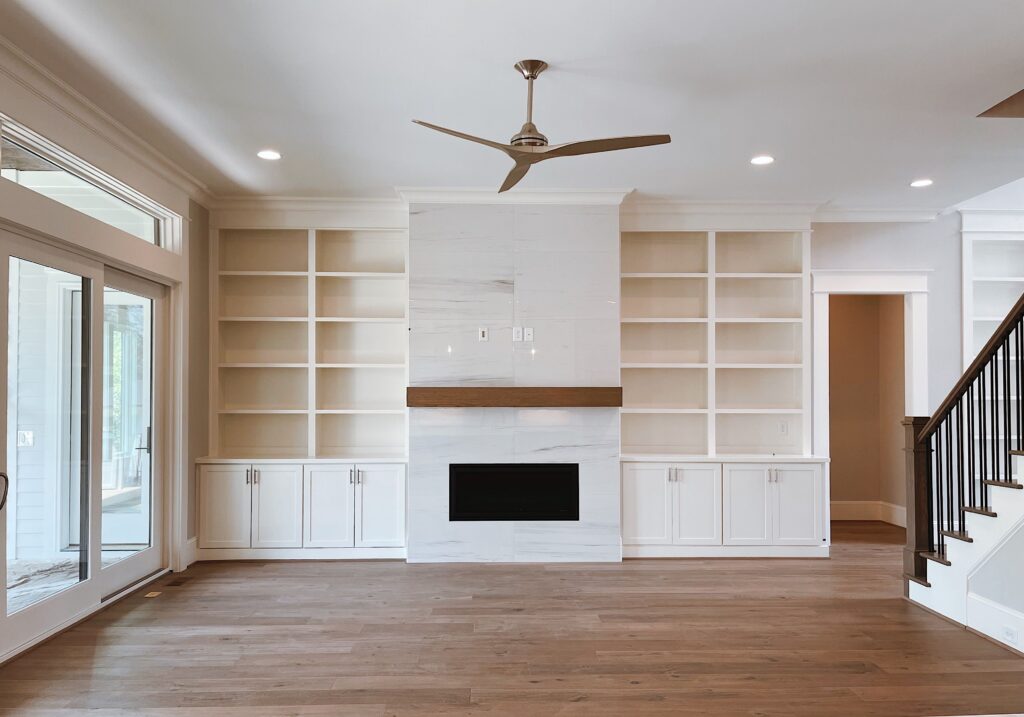
A living room has to do a lot. It is where you relax in the evening, welcome guests, watch television, read, and sometimes work or help children with homework. All of that living leaves things behind: books, remotes, blankets, toys, chargers, board games, and magazines. Without a plan for where those things go, even a beautiful room starts to feel crowded and restless. Good living room storage ideas solve that problem without turning your home into a warehouse. The aim is simple: everything you use often should have a home that is easy to reach, and everything you rarely use should be out of sight but not forgotten.
This guide walks through the options that work in real homes, from built-in units and shelving to furniture that hides storage in plain sight, plus small-space tricks and the decluttering step that should always come first.
Start By Decluttering Before You Buy Storage
It is tempting to fix a messy living room by buying more boxes and shelves, but new storage only helps if it holds things you genuinely need. Start by taking everything out of one area at a time — a single shelf, one drawer, or the coffee table — and sorting it into three groups: keep, move elsewhere, and let go. The keep group should only contain things that belong in the living room and are used there regularly. Items that belong in another room, such as coats, school bags, or kitchen clutter, should go back to their proper place rather than being given a new home in the lounge.
Be honest about duplicates and things you have not touched in months. Old magazines, broken chargers, remote controls for devices you no longer own, and board games with missing pieces are all candidates for recycling or donation. A useful test is to ask whether you would miss an item if it disappeared tomorrow. If the answer is no, it does not need a storage solution — it needs to leave the room. Once the room holds only what belongs there, you will know exactly how much storage you actually need, and you can stop buying containers for clutter that should never have stayed.
Built-In Storage That Makes The Most Of Every Wall
Built-in storage is often the most effective option for a living room, because it is made to fit the room exactly. Freestanding furniture always leaves gaps and wasted corners, while a fitted unit can use the full height and width of a wall. If your budget allows, built-ins are worth considering, especially in a room you plan to stay in for years.
Alcoves And Chimney Breasts
Many UK homes have a chimney breast with an alcove on either side, and these recesses are some of the most useful storage spots in the house. Shelves fitted into an alcove turn dead space into a place for books, games, and media equipment, while cupboards below hide the things you do not want on display. Because the units sit flush with the chimney breast, they look like part of the architecture rather than added furniture. If your living room has no chimney breast, the same idea works on any blank wall: a run of shallow cupboards with shelves above gives you a generous amount of storage without eating into the floor.
Floor-To-Ceiling Units
Going all the way to the ceiling is one of the simplest ways to gain storage in a small living room. A tall unit draws the eye upward, which can make the room feel taller, and the top shelves are ideal for things you use rarely, such as photo albums, seasonal decorations, or spare blankets.
Shelving Ideas That Work Hard And Look Good
Shelves are the most flexible form of living room storage, and they suit almost every budget. Floating shelves are a good choice for small rooms because they add storage without taking up any floor space. A row of long shelves along one wall can hold books, plants, and framed photographs, while a single shelf above a sofa or beside a television fills an otherwise empty stretch of wall.
Open shelving needs a little discipline to look good. The common mistake is to fill every shelf edge to edge, which makes the room feel busy. Leave some breathing room between objects, group items in small clusters, and mix heights and textures so the shelf reads as a display rather than a warehouse. Boxes and baskets on open shelves are useful for hiding smaller items: a row of matching boxes looks tidy and calm, while still keeping remotes, cables, and chargers close at hand.
Multifunctional Furniture: Storage In Disguise
In a living room, the smartest storage is often hidden inside furniture you would buy anyway. A storage ottoman or footstool with a lift-up lid is one of the most useful pieces you can own: it holds throws, magazines, and children’s toys, and doubles as extra seating when guests arrive. A coffee table with drawers or a lift-top surface gives you a place for remotes and books, and the lift-top versions can even serve as a small work surface for a laptop.
Storage sofas are another option, particularly in smaller homes. Some sofas have compartments under the seat cushions or in the armrests, which are handy for storing blankets and reading material. A sideboard or low cabinet against a wall is a classic choice that never really goes out of style: it hides board games, DVDs, and tableware behind closed doors, and its top surface is perfect for a lamp, a vase, or a stack of books. If you have a bay window, a window seat with storage underneath turns an awkward space into one of the most loved spots in the room, and it is a natural place for extra cushions and throws.
Small Living Room Storage Ideas For Tight Spaces
Small living rooms need storage that works in three dimensions: height, depth, and the corners that usually go to waste. Wall-mounted shelves and tall, narrow units use vertical space without crowding the floor, and they keep the room feeling open. Slim, wheeled containers that slide under the sofa are ideal for board games, spare throws, or children’s toys, because they use space that would otherwise sit empty.
Corners are often overlooked. A corner shelf unit or a small corner cabinet can hold books and decorative items in a spot that is hard to use for anything else. Similarly, the space behind a door or above a doorway can take a shelf for items you rarely need. Under-bench storage works well near a bay window or along a spare wall: a bench with drawers or a lift-up seat stores blankets and books while giving you an extra place to sit.
The other rule for small rooms is to keep the floor visible. Furniture with legs, rather than pieces that sit flat on the floor, lets you see more of the floorboards or carpet, which makes the room feel larger.
Hidden Storage For Everyday Clutter
Some living room clutter is small, daily, and relentless: remote controls, phone chargers, coasters, reading glasses, and the children’s toys that migrate from room to room. These things need homes that are quick to use, or they will end up on the coffee table again within an hour. A lidded basket beside the sofa is one of the simplest solutions — it takes seconds to drop things in and seconds to find them again. A tray on the coffee table works the same way for smaller items: it gathers remotes and coasters into one neat zone instead of letting them spread across the surface.
For toys, a large basket or a storage trunk that children can use themselves is far more effective than a neat system only adults understand. If a child can tidy up in under a minute, they are much more likely to do it. Labelled boxes help here too, especially for families: one box for building blocks, one for art supplies, one for games. The labels do not need to be fancy — a simple tag or a picture label for younger children is enough.
Styling Storage So It Looks Like Decor
Storage does not have to look like storage. Baskets in natural materials such as seagrass, rattan, or jute add warmth and texture while hiding clutter, and they work in almost any style of room. Matching boxes on a shelf look deliberate and calm, while a mix of materials — wood, woven fibres, ceramic — keeps the room from feeling like a showroom.
For more styling inspiration, our guide to Neutral Living Room Ideas shows how warm tones and layered textures can make storage feel like part of the design, and Grey Sofa Living Room Ideas offers ideas for building a scheme around one of the most common sofa colours. If part of your living room doubles as a workspace, Small Home Office Ideas has storage tips for fitting a desk area into a compact room.
Common Mistakes To Avoid
The most common mistake is buying storage before knowing what needs storing. Measure your space, list what has to live in the room, and only then choose furniture. A second mistake is choosing open storage for everything: open shelves look wonderful in photographs, but in a busy family room they need constant tidying, so mix open and closed storage in roughly equal measure.
Another frequent error is ignoring the room’s traffic flow. Storage placed across a walkway, or a deep unit that blocks a door from opening fully, will frustrate you every day. Walk the routes you use most — from the sofa to the kitchen, from the front door to the stairs — and keep those paths clear.
Conclusion
Good living room storage is not about owning more containers. It is about understanding what your room needs to hold, choosing storage that fits the space and the way you live, and keeping the balance between display and concealment. Start by decluttering, then add built-ins or shelving where they make sense, choose furniture that works twice as hard, and give everyday clutter a home that is easy to use.
FAQs
What Is The Best Storage For A Small Living Room?
The best storage for a small living room uses vertical space and hidden compartments. Tall, narrow shelving, wall-mounted shelves, storage ottomans, and furniture with built-in drawers add capacity without taking up floor space. Keep the floor as visible as possible so the room still feels open.
How Do I Declutter My Living Room Without Throwing Everything Away?
Work through one area at a time and sort items into keep, move elsewhere, and let go. Keep only what is used in the living room regularly. Move items that belong in other rooms back to their proper place, and donate or recycle anything you have not used in months. The goal is to reduce what needs storing before buying new storage.
How Can I Hide Clutter In My Living Room Quickly?
Use closed storage for a fast tidy-up: lidded baskets, storage ottomans, and cupboards can swallow everyday clutter in seconds. A tray on the coffee table gathers small items into one neat area, and a cable box hides the wires behind the television.
What Storage Furniture Is Best For A Family Living Room?
For a family living room, choose sturdy, easy-to-use storage that children can manage themselves, such as large baskets, labelled boxes, and a storage trunk for toys. A sideboard or low cabinet with doors hides games and media, while a storage ottoman doubles as extra seating when guests visit.
Leave a Reply