
Bristol is one of the most rewarding city breaks in England. Set on the River Avon in the South West, this former port city pairs serious history with a creative, independent spirit. It is the city of Isambard Kingdom Brunel’s great landmarks, the SS Great Britain and the Clifton Suspension Bridge, and the home city of Banksy and one of Europe’s liveliest street art scenes.
This guide brings together the best things to do in Bristol for a first visit, from the famous sights to the neighbourhoods that show the city’s real character. Many of the best experiences cost nothing, the centre is compact enough to explore on foot, and Bath is only a short train ride away.
Why Bristol Deserves A Weekend
Bristol works so well as a city break because it offers variety without sprawl. In a single weekend you can walk across a Victorian engineering masterpiece, step aboard a pioneering steamship, explore free museums, hunt for street art and eat at a buzzing food market. The Floating Harbour, which opened in 1809, still shapes the city centre, and old dockside sheds now hold museums, galleries and restaurants.
more ideas for trips around the country
The Unmissable Landmarks
Cross The Clifton Suspension Bridge
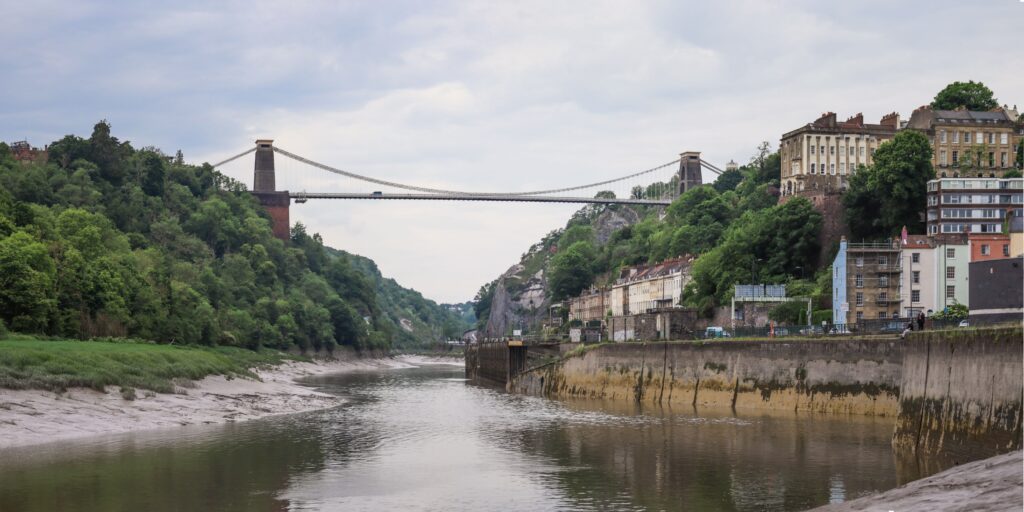
No first visit is complete without the Clifton Suspension Bridge. Designed by Isambard Kingdom Brunel and opened in 1864, five years after his death, it spans the Avon Gorge 75 metres above the River Avon, linking Clifton with Leigh Woods in North Somerset. At 412 metres long, it is a Grade I listed building and the symbol of the city.
Walking across is free, and it is the best way to take in the scale of the gorge. Drivers pay a £1 toll towards the bridge’s upkeep, but pedestrians and cyclists cross without charge. For the classic view, head to the Clifton Observatory on the Clifton side. The small visitor centre explains how Brunel won the design competition at 24, and how construction took 33 years to complete.
Step Aboard Brunel’s SS Great Britain
A short walk along the Harbourside brings you to Brunel’s SS Great Britain, the ship that changed ocean travel. Launched in 1843, she was the largest passenger ship in the world at the time and the first ocean-going ship with an iron hull and a screw propeller. After decades crossing the Atlantic and voyaging to Australia, she returned to Bristol and now sits in the dry dock where she was built, preserved as a museum. Visitors can explore the decks, cabins and engine rooms, and look underneath the hull at the glass sea that makes her look still afloat. Allow at least two hours, and check the official website for opening times and ticket prices.
Climb Cabot Tower In Brandon Hill Park
For the best free view in Bristol, climb Cabot Tower in Brandon Hill Park, a short walk uphill from the Harbourside. The climb is rewarded with panoramic views across the rooftops, the harbour and the Suspension Bridge, and on a clear day you can see for miles. The park is a pleasant place for a picnic, and the climb costs nothing.
Walk The Harbourside And The Old City
M Shed And The Floating Harbour
The Harbourside is the natural starting point for any visit. Start at M Shed, the free museum in a 1950s dockside transit shed on Princes Wharf. Its galleries trace the city’s story from prehistoric times to the present day, with film, photographs and around 3,000 objects covering Bristol’s places, people and working life, including honest displays about the city’s part in the transatlantic slave trade.
Outside, the working exhibits bring the harbour to life. Historic dockside cranes, steam trains and heritage boats operate on selected days, so check what is running before you visit. From M Shed, follow the harbourside path past the Arnolfini gallery, one of Europe’s leading centres for contemporary arts, to Wapping Wharf, where converted shipping containers hold food stalls, shops and cafes. Boat trips run regularly in the warmer months and give you a different view of the city.
St Nicholas Market And The Old City
A short walk from the Harbourside, St Nicholas Market is the place to go hungry. The covered market and its glass arcade are full of street food stalls serving dishes from around the world, alongside vintage clothing, books, records and local crafts. It is an affordable lunch stop. Around the market, the Old City keeps some of Bristol’s oldest streets, including the Christmas Steps, a steep lane of independent shops, and King Street, lined with historic pubs and home to the Bristol Old Vic, one of the oldest working theatres in the world.
Street Art And Independent Neighbourhoods
Stokes Croft And Bristol’s Street Art
Bristol is world-famous for its street art, and Banksy began his career here. The best place to see it is Stokes Croft, the city’s cultural quarter, where whole building facades are covered in murals. A self-guided walk through Stokes Croft and neighbouring Bedminster, where the annual Upfest festival turns the area into an open-air gallery, is one of the best free things to do in Bristol. Look out for original Banksy pieces around the city centre and Nelson Street, but remember street art changes constantly, so a piece you read about may already have been painted over.
Gloucester Road
North of the city centre, Gloucester Road is known as one of the longest streets of independent shops in Europe. Vintage clothing shops, record stores, artisan bakeries, bookshops and charity shops line the road through Bishopston and St Andrew’s. A Saturday afternoon here shows Bristol at its most independent-minded.
Clifton Village
Clifton is Bristol’s most elegant quarter, defined by sweeping Georgian crescents and the green expanse of Clifton Down. Clifton Village, close to the Suspension Bridge, is full of independent boutiques, delis, cafes and pubs. Walk across the bridge, wander the village for coffee or lunch, then take the Observatory path for the gorge views.
Museums, Culture And Family Days Out
Bristol Museum And Art Gallery
Bristol Museum and Art Gallery, on Queen’s Road near the university, is free to enter and suits all ages. Its collections range from Egyptian mummies and dinosaur skeletons to fine art and natural history. It sits on the route between the city centre and the Suspension Bridge, so it is an easy addition to a Clifton visit.
Bristol Cathedral
On College Green, Bristol Cathedral is over 800 years old and completely free to visit. Its Gothic architecture, high vaulted ceilings and stained glass make it a peaceful stop in the middle of the city. The cathedral sits beside the open green of College Green, a popular meeting point.
Aerospace Bristol And Concorde
Aerospace Bristol, a short trip north of the city, tells the story of Bristol’s aerospace heritage. Its star exhibit is Concorde Alpha Foxtrot, the last Concorde ever to fly, and you can step aboard the supersonic airliner. Allow a good half day for the trip.
Green Spaces And The Great Outdoors
Ashton Court Estate
Just across the Suspension Bridge, Ashton Court Estate offers acres of parkland, deer parks, walking trails and picnic spots. It suits family days out, dog walks, cycling and kite flying, and it hosts the Bristol International Balloon Fiesta each summer. Entry is free, and its high ground gives fine views back over the city and the gorge.
Leigh Woods
On the other side of the gorge from Clifton, Leigh Woods is managed by the National Trust and offers woodland walks, trail running and some of the best viewpoints of the Suspension Bridge. The paths are peaceful and the views from the gorge edge are spectacular, especially in autumn. It is an easy escape from the city without a car.
Where To Eat And Drink
Bristol’s food scene suits all budgets. St Nicholas Market covers street food, Wapping Wharf and the Harbourside are lined with independent restaurants and cafes, and Clifton and Southville are good for brunch and evening meals. The city is known for its vegan and vegetarian options, craft breweries, artisan bakeries and independent coffee shops.
Festivals Worth Planning Around
The biggest event is the Bristol International Balloon Fiesta, held each August at Ashton Court Estate. It is one of the largest free ballooning events in Europe, with mass ascents of more than 100 hot air balloons, usually around 6am and 6pm, plus nightglow displays and fireworks. Entry is free, though parking must be booked in advance, so check the official website for the latest dates and travel advice.
Easy Day Trips From Bristol
Bath In A Day
The easiest day trip from Bristol is Bath, a UNESCO World Heritage city famous for its Roman Baths and Georgian architecture. Fast trains from Bristol Temple Meads to Bath Spa take as little as 11 minutes, and services run frequently. The compact centre is easy to explore on foot: visit the Roman Baths, walk the Royal Crescent and the Circus, cross Pulteney Bridge and look up at Bath Abbey. The Roman Baths are the city’s most popular attraction, so book tickets in advance, especially at weekends. London is around one hour and twenty minutes away by train, which makes the capital possible as a long day trip, though Bath is the more relaxing choice.
a guide to the capital’s famous sights
Practical Tips For Visiting Bristol
- Getting around: The city centre, Harbourside and Old City are compact and best explored on foot. Buses connect the centre with Clifton, Gloucester Road and the outer neighbourhoods, and the walk from the Harbourside to the Suspension Bridge takes around 30 minutes with some steep sections.
- Getting there: Bristol Temple Meads is the main station, with direct trains from London, Birmingham, Cardiff and the South West.
- Budget: Many of the best things in Bristol are free, including the Suspension Bridge walk, M Shed, Bristol Museum and Art Gallery, Bristol Cathedral, Cabot Tower and the street art walks.
step-by-step help planning the trip
Frequently Asked Questions
How Many Days Do You Need In Bristol?
Two days is enough for the main sights, including the Suspension Bridge, SS Great Britain, the Harbourside, the museums and a street art walk. Add a third day for Bath, or to explore Ashton Court and Leigh Woods properly.
Is Bristol Expensive To Visit?
Bristol is one of the more affordable city breaks in England. The bridge walk, M Shed, Bristol Museum and Art Gallery, Bristol Cathedral, Cabot Tower and the street art trails are all free. Street food at St Nicholas Market keeps meal costs down.
What Is Bristol Most Famous For?
Bristol is best known for the Clifton Suspension Bridge and the SS Great Britain, both linked to the engineer Isambard Kingdom Brunel, and for its street art scene, including Banksy, who began his career in the city. It is also known for the Balloon Fiesta and its maritime history as a major port.
Can You Walk Across The Clifton Suspension Bridge?
Yes. Pedestrians and cyclists cross for free at any time. Drivers pay a £1 toll. The best views are from the Clifton Observatory side, and the walk from the Harbourside takes around 30 minutes.
Conclusion
Bristol rewards visitors who take their time. The famous landmarks live up to their reputation, but the city’s real charm is in the walk between them: the harbourside path, the painted houses above the water, the murals of Stokes Croft and the independent shops of Gloucester Road. Whether you come for a weekend or a week, start with the bridge, the ship and the harbour, then let the neighbourhoods fill in the rest.
Leave a Reply