
Cardiff is the capital and largest city of Wales, and it is one of the most compact and walkable city breaks in Britain. The best things to do in Cardiff Wales sit close together: a medieval castle in the very centre, free national museums, Victorian shopping arcades, a great riverside park and a regenerated waterfront at Cardiff Bay. The city blends its Welsh heritage with modern life, and much of the finest of it costs nothing. This guide covers the highlights for a first visit, with practical advice for planning one or two days.
Conquer Cardiff Castle In The City Centre
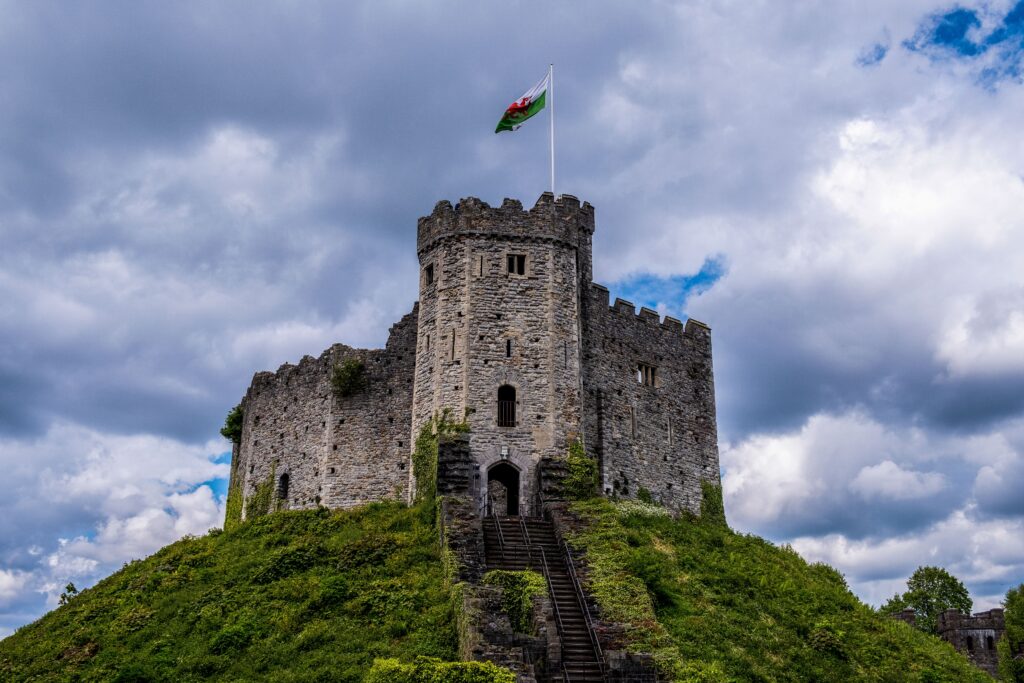
Cardiff Castle sits right in the middle of the city, on a site that has been in use for around 2,000 years. It began as a Roman fort, built around AD 75, and gained a Norman motte and stone keep in the eleventh and twelfth centuries. The castle was transformed in the nineteenth century, when the third Marquess of Bute, then one of the richest men in Britain, had the interiors decorated in an ornate Gothic style by the architect William Burges. A tour of the Castle Apartments reveals the Arab Room, the Banqueting Hall, the Library and the Clock Tower, with gold and marble furnishings, floral carvings and rich colour from wall to ceiling. Standard admission also covers the Norman Keep, the battlement walks, the wartime shelters inside the walls and the Firing Line Museum, which tells more than 300 years of Welsh military history. Entry to the castle grounds, known as the Public Square, is free, but you need a paid ticket to go inside the buildings or climb the keep. Check the castle website before visiting, as there are sometimes closures for large concerts and family events, particularly in spring and summer. The castle is an eight-minute walk from Cardiff Central station, and it is the single sight to keep if you only have half a day.
Learn The Fun Way At National Museum Cardiff
A ten-minute walk from the castle, in the grand civic centre of Cathays Park, National Museum Cardiff is the finest free museum in Wales. The national collections of art, natural history and archaeology are all housed in one magnificent Portland stone building, next to City Hall. The art collection is exceptional: it holds one of the largest collections of Impressionist and Post-Impressionist paintings outside Paris, with works by Monet, Renoir, Cezanne and Rodin, alongside works by Van Gogh and Picasso and a comprehensive collection of Welsh art. The natural history galleries include a full-scale humpback whale skeleton and the Evolution of Wales gallery, which tells the story of the country from the Big Bang to the present day. Entry to the permanent collection is free, and visitors can easily spend two or three hours here. It is also one of the best wet-weather options in the city, so keep it in reserve for a rainy afternoon.
Walk Through Time At St Fagans National Museum Of History
On the western edge of the city, St Fagans National Museum of History is one of Wales’s most popular heritage attractions and one of Europe’s major open-air museums. More than forty historic buildings from across Wales have been moved here and rebuilt in the grounds of St Fagans Castle, a late sixteenth-century manor house donated to the people of Wales by the Earl of Plymouth in 1948. As you wander the parkland you pass farmhouses, a chapel, a Victorian school, a row of ironworkers’ cottages and a working bakery, each furnished as it would have been in its own time. It is free to enter, though parking is charged, and it rewards a full afternoon rather than a quick look. Because the site is outside the walkable centre, take a bus or a taxi, and note that some bus services stop inside the car park. Give St Fagans its own half-day in your plans, and bring a picnic if the weather is kind.
Enjoy Waterside Wanders At Cardiff Bay
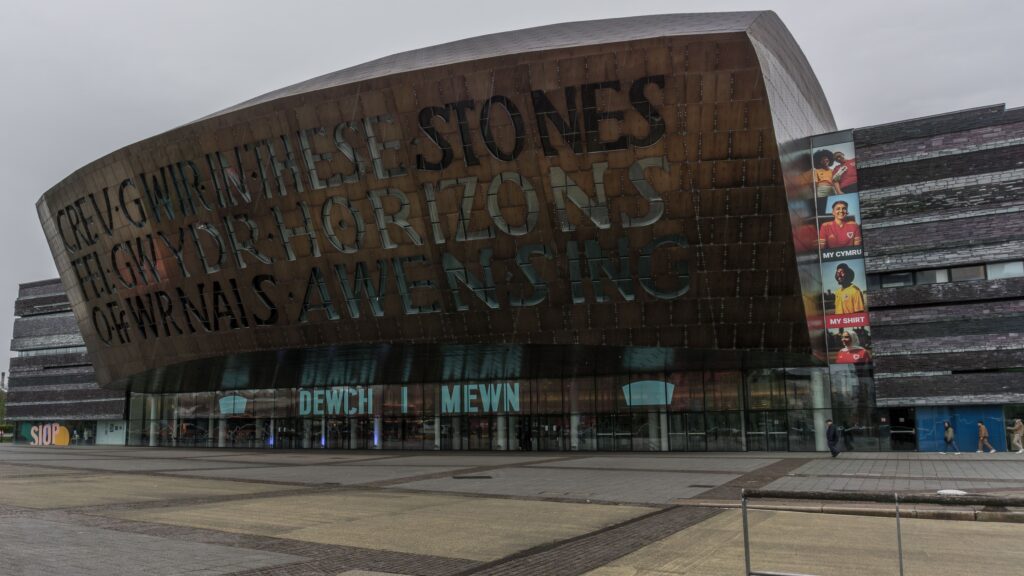
Cardiff Bay is the city’s regenerated waterfront, where the old coal docks once stood, and it feels like a different city from the castle quarter. The two centres sit about twenty minutes apart on foot, and the Bay stays lively into the evening. Start at Mermaid Quay, with its restaurants and bars along the water, then walk to the Wales Millennium Centre, the copper-and-slate arts centre with its famous Welsh inscription across the front, which hosts West End shows and Welsh-language productions. Nearby stand the Senedd, home to the Welsh Parliament, and the red-brick Victorian Pierhead Building, both free to approach on foot. The Norwegian Church, in which the author Roald Dahl was baptised, stands on the waterfront too, and it now serves as an arts centre and cafe. For a longer walk, cross the Cardiff Bay Barrage, the causeway across the mouth of the bay, which gives wide views over the water and the city. The Bay is also the place for an evening out, with the Millennium Centre’s programme and the quayside restaurants offering plenty of choice after dark.
Shop In The Victorian Arcades And Cardiff Market
Cardiff has the finest collection of Victorian and Edwardian covered shopping arcades in Britain, and it has earned the nickname the City of Arcades. Seven historic arcades weave through the city centre, adding up to nearly a kilometre of covered streets, and inside you will find independent shops, family-run cafes and small boutiques. Highlights include Spillers Records, the world’s oldest record shop, and a string of vintage clothing shops, bookshops and delicatessens. The arcades are free to wander and make a good rainy-day alternative to the museums. Close by, Cardiff Market is a Victorian indoor market where traders sell fresh produce, Welsh cakes, cheese and crafts from stalls that have been there for generations. Stop for a Welsh cake, warm from the griddle, and you will understand why visitors remember the market long after they leave. For more ideas for historic cities in the west of Britain, see our guide to things to do in Bath, and for wider inspiration, our round-ups of days out in the UK and sites to see in the UK.
Unwind In Bute Park And Roath Park
Behind the castle wall lies Bute Park, the green heart of Cardiff and one of the largest urban parks in Wales. It covers 56 hectares, around 130 acres, of parkland running north from the castle along the River Taff, with lawns, mature trees, an arboretum, a sculpture trail and a secret garden cafe. Paths follow the river, and the park is free to enter. It is a good place for a morning walk, a picnic or a run, and it hosts seasonal events through the year. For a quieter green escape, head to Roath Park, north of the centre, where a long Victorian lake is the centrepiece. A walk around the lake leads to the small lighthouse that remembers Captain Scott’s last expedition, which sailed from Cardiff, and the park also has formal gardens, a wild garden and a children’s play area. Both parks are free, and both show a side of the city that the shopping streets and museums cannot. Visit Wales recommends pairing Bute Park with the castle and the arcades for a classic first day in the capital.
Practical Tips For Visiting Cardiff
Cardiff’s main attractions are within easy walking distance of each other, and the castle, the National Museum and the Victorian arcades are all within a ten-minute walk of Cardiff Central station. The Bay is around twenty minutes on foot from the centre, or a short bus or train ride, and St Fagans needs a bus or taxi. Many of the best things to do in Cardiff Wales are free, including the national museums, St Fagans, Bute Park, Roath Park and the castle grounds, so the city is a strong choice for a budget break. If you want to catch a match, the Principality Stadium, formerly the Millennium Stadium, dominates the bank of the River Taff, and stadium tours run on non-match days, taking in the pitch, the tunnel and the dressing rooms. For culture, the New Theatre, dating back to 1906, and the Chapter Arts Centre in a converted Edwardian school offer theatre, film and dance. Cardiff fits comfortably into a single day, but two days lets you give St Fagans and the Bay the time they deserve.
Cardiff is a city that is easy to like quickly. Its castle, museums, parks and waterfront are all close together, its welcome is warm, and its best experiences are often free. Start at the castle, end at the Bay, and let the city set the pace.
Frequently Asked Questions About Things To Do In Cardiff Wales
What is the best thing to do in Cardiff? Cardiff Castle is the single sight to keep if time is short, with 2,000 years of history on one site. National Museum Cardiff and St Fagans are the best free choices, and Cardiff Bay is the best place for an evening.
Are Cardiff’s museums free? Yes. National Museum Cardiff and St Fagans National Museum of History are both free to enter, as are the castle grounds, Bute Park and Roath Park. You only pay to go inside the castle buildings.
How many days do you need in Cardiff? One day covers the castle, the arcades, the National Museum and the Bay. Two days allows a proper half-day at St Fagans and a slower pace through the parks.
Is Cardiff walkable? Yes. The castle, museums and arcades are all within a ten-minute walk of Cardiff Central station, and the Bay is about twenty minutes on foot. Only St Fagans needs a bus or taxi.
What is Cardiff Bay? Cardiff Bay is the regenerated waterfront where the old coal docks stood, now home to Mermaid Quay, the Wales Millennium Centre, the Senedd and the Pierhead Building.
When is the best time to visit Cardiff? Late spring and summer bring the best weather for the parks and the Bay, while the museums and arcades make Cardiff a good visit all year round.
Leave a Reply