
Derby is a city where industrial history, art, and green space sit close together, and the best things to do in Derby can fill a rewarding day or a relaxed weekend. This guide covers the museums that tell the story of making and invention, the cathedral and historic houses that show the city’s older layers, and the parks that give you room to slow down. Most of the central highlights are easy to combine on foot, so you can build a day around your interests rather than rushing between scattered attractions. If you are planning a short break, our UK weekend breaks guide can help you shape the wider trip.
Why Derby Rewards A Closer Look
Derby is famous for setting in motion Britain’s Industrial Revolution, and that story still shapes a visit today. Visit Derby describes the city as a top destination for a city break, with events and festivals alongside its historic attractions. What makes Derby satisfying is the contrast: a world-changing factory site on the River Derwent, Georgian rooms a short walk away, and a cathedral tower watching over the centre.
You do not need to be an engineering specialist to enjoy it. The museums present objects, paintings, and period rooms in ways that connect with everyday life, from silk spinning and porcelain to toy theatres and family homes. Give the city a full day at least, and you will leave with a much richer picture than a quick stop between trains can offer. Readers comparing East Midlands cities may also enjoy our guide to things to do in Leicester.
Museum Of Making At Derby Silk Mill
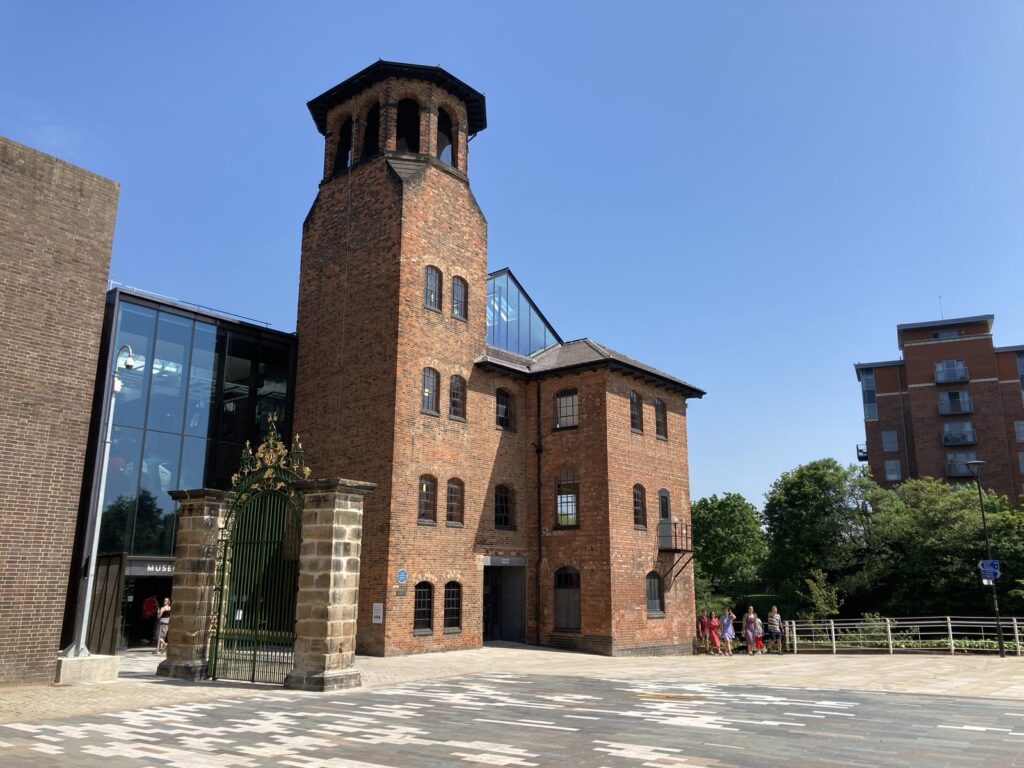
Start with the Museum of Making at Derby Silk Mill, the attraction that best explains why Derby matters. Visit Derby explains that the Silk Mill stands on the site of the world’s first factory and serves as the gateway to the UNESCO World Heritage Site of the Derwent Valley Mills. Derby Museums adds that the Silk Mill is widely regarded as the site of the world’s first modern factory and now houses the UK’s first Museum of Making.
The human story behind the mill is gripping. John Lombe travelled to Italy to uncover the secrets of silk spinning, an early act of industrial espionage that helped change how goods were made. Today the Silk Mill is a vibrant cultural venue with creative events and exhibitions for children and adults. Allow unhurried time here, because the building itself is part of the exhibit: you are standing where a new way of working began. Check current opening information with Derby Museums before you travel, as hours can change.
Derby Museum And Art Gallery
Derby Museum and Art Gallery is the essential stop for art lovers. It is home to the world’s largest collection of paintings by Joseph Wright of Derby, alongside treasures that include an ancient Egyptian mummy, according to Visit Derby. Wright is widely regarded as one of the most innovative British artists of the 18th century, celebrated for his masterful use of light to capture the spirit of the Enlightenment.
That combination of art, science, and industry is what makes the museum feel distinct. Wright’s paintings show experiments, workshops, and candlelit scenes from a period when ideas were changing fast, and Derby was part of that change. Derby Museums describes its Joseph Wright collection as designated by Arts Council England as a collection of national significance. Even if you only have an hour, spend it with the Wright paintings first, then let the other galleries fill in the city’s story.
Pickford’s House And Georgian Derby
Pickford’s House offers a quieter, more intimate side of Derby. This museum is set within a beautifully preserved townhouse and garden dating back to 1770, designed by the renowned Derby architect Joseph Pickford as both his family home and a showcase for his talent. Inside, stylish period furnishings and decorative interiors bring Georgian life to life, room by room.
The details are what make the visit memorable. Visit Derby highlights engaging exhibits that include a delightful collection of toy theatres, children’s dressing-up costumes, and a porcelain collection. Derby Museums notes that the house contains period room sets illustrating aspects of domestic life from the 18th to the 20th centuries, showing the contrast between master and servant over the house’s long life. It is a gentle, absorbing stop that pairs well with the bigger museums.
Derby Cathedral And The Bridge Chapel
Derby Cathedral towers above the city and boasts the second-highest perpendicular church tower in England, according to Visit Derby. Inside, highlights include the impressive tomb of Bess of Hardwick, a remarkable monument designed by the formidable woman herself. The interior is described as light and airy, which makes it a peaceful pause in the middle of a busy sightseeing day.
Look up as well as in. For many years, a family of peregrine falcons has made the cathedral their home, raising chicks and delighting birdwatchers and visitors with aerial displays. The nearby Bridge Chapel adds another layer of history: it is one of the few surviving chapels of its kind in England, with records dating back to the early 14th century, when travellers leaving the city would stop to pray for protection on their journey. The Bridge Chapel opens on selected days and for special events, so check directly before planning a visit inside.
Parks And Green Spaces In Derby
Derby’s parks give the city breathing room. Derby Arboretum is renowned as Britain’s first public park, and Visit Derby describes it as a trendsetter whose original design inspired New York’s Central Park. Located just south of the city centre, this Grade II listed picturesque park holds a fine and varied collection of trees and offers a peaceful retreat from urban life. It is open daily, making it an easy addition to any itinerary.
Markeaton Park is another favourite for a slower afternoon, with parkland, gardens, and space for families to spread out. Derby City Council lists Markeaton Park among the city’s Green Flag Award parks, recognising it as one of the best-managed green spaces in the UK. A park stop works especially well between museum visits: it resets the pace of the day and shows a different side of the city. On a longer trip, combine a park morning with a museum afternoon rather than trying to do everything at once.
Kedleston Hall For A Half Day Beyond The Centre
If you have extra time, Kedleston Hall makes a rewarding half-day trip beyond the city centre. The National Trust describes Kedleston Hall as one of the finest and most complete examples of an 18th-century show-palace and parkland in Britain. Inside, visitors can discover the Curzon family’s collection of fine art, furniture, and Asian objects, including more than 1,000 objects from across the Asian continent.
The hall and parkland offer a grand contrast to Derby’s factory and museum story, showing the wealth and taste of the same broad era from a very different angle. Because opening arrangements can change, check the National Trust pages for Kedleston Hall before you travel and plan your transport in advance. Treat it as a planned excursion rather than an afterthought, and it will round out a Derby weekend beautifully. If you are travelling by rail for a wider trip, our day trips from London by train guide may spark further ideas.
How To Plan Your Derby Day
A simple plan works best in Derby because the central highlights sit close together. Start at the Museum of Making while you are fresh, move on to Derby Museum and Art Gallery, then walk to Pickford’s House for a change of pace. Add the cathedral when you want a quieter moment, and finish with a park if the weather is kind. The official Visit Derby guide to free things to see in Derby is a helpful starting point for checking what is open on your dates.
Keep these practical points in mind:
- Check current opening times before you travel, because museum hours and event days change.
- Allow more time than you expect at the Museum of Making and the Wright galleries.
- Build in a park or café pause so the day does not become a checklist.
- Check Bridge Chapel and Kedleston Hall arrangements directly if they are priorities.
- Wear comfortable shoes, because the best Derby day is mostly explored on foot.
Derby Museums, the independent charitable trust behind the Museum and Art Gallery, Museum of Making, and Pickford’s House, also houses the Royal Lancers Museum, so military history enthusiasts should look out for those collections too. You can read more about the trust and its museums on the Derby Museums website.
Frequently Asked Questions
What Are The Best Things To Do In Derby For First Time Visitors
Start with the Museum of Making at Derby Silk Mill, Derby Museum and Art Gallery, and Derby Cathedral. These three stops cover Derby’s industrial story, its famous Joseph Wright paintings, and its landmark tower. Add Pickford’s House if you have time for a Georgian townhouse.
Why Is Derby Famous
Derby is famous for setting in motion Britain’s Industrial Revolution. Its Silk Mill stands on the site of the world’s first factory and now serves as the gateway to the Derwent Valley Mills UNESCO World Heritage Site. The city is also known for Joseph Wright’s paintings and its making and engineering heritage.
Are Derby Museums Free To Visit
Visit Derby lists the Museum of Making, Derby Museum and Art Gallery, and Pickford’s House among its free things to see in Derby, and the cathedral welcomes donations. Some events or special activities may differ, so check current details before you travel.
What Can You See At Derby Museum And Art Gallery
The museum is home to the world’s largest collection of paintings by Joseph Wright of Derby. Visit Derby also highlights treasures that include an ancient Egyptian mummy. It is the best stop in the city for art and Enlightenment history.
Is Derby Good For A Weekend Break
Yes, Derby works well for a weekend break because its museums, cathedral, historic houses, and parks sit close together. A day covers the central highlights, while a second day leaves room for Markeaton Park or Kedleston Hall. Check opening times in advance to plan each day well.
Final Thoughts
The best things to do in Derby tell one connected story: silk and factories, art and Enlightenment ideas, Georgian homes, and green parks. Start at the Silk Mill, give Joseph Wright’s paintings proper time, step inside Pickford’s House, and let the cathedral and Arboretum slow the pace. Derby may be easy to reach, but it rewards visitors who stay a little longer and look a little closer.

Leave a Reply