
The best things to do in Leicester combine a remarkable royal discovery, Roman remains, a national space attraction and a lively multicultural city centre. Leicester is an East Midlands city with more than 2,000 years of history, from its Roman past to the rediscovery of King Richard III in 2012. Its main sights sit close together, making it easy to explore on foot. This guide explains what to see first, how to group attractions sensibly and where to go for green space and culture.
Why Leicester Is Worth Visiting
Leicester rewards visitors who enjoy history with a modern edge. In a short walk you can move from a Roman bathhouse to a medieval cathedral, then to contemporary street art and independent shops. Visit Leicester highlights the King Richard III Visitor Centre, the National Space Centre and Bradgate Park among the area’s key experiences, and the city centre also holds museums, theatres and markets.
The city is also known for its diversity. The Golden Mile, with its jewellery shops, boutiques and restaurants, reflects Leicester’s South Asian heritage, and the city hosts major Diwali celebrations. Add a strong university presence, sport and a compact centre, and Leicester works well as a day trip or a relaxed weekend base.
Start With Richard III And The Cathedral
King Richard III Visitor Centre
The King Richard III Visitor Centre tells one of the most famous archaeological stories in modern Britain. Richard III died at the Battle of Bosworth in 1485 and was buried at Greyfriars in Leicester. His remains were discovered during an excavation in 2012, more than 500 years later, and the visitor centre opened on 26 July 2014 on the Greyfriars site. Exhibitions explore his life, death and rediscovery, and visitors can see the original grave site.
Allow unhurried time here, because the story unfolds in stages and rewards attention. The centre sits in the historic Old Town area beside the cathedral, so it pairs naturally with the next stop. Opening arrangements and ticket details can change, so check the official visitor information before you travel.
Leicester Cathedral
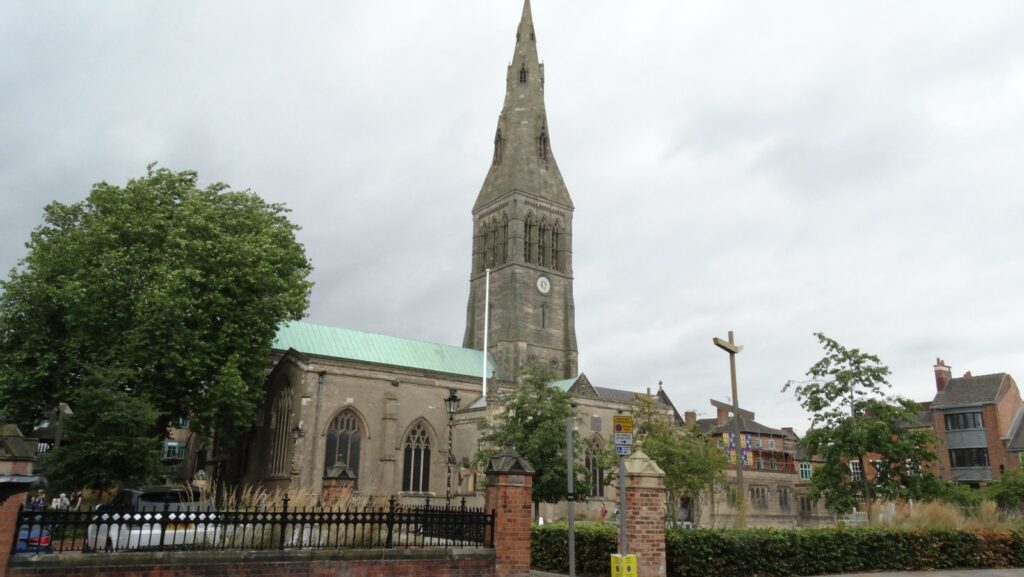
Leicester Cathedral, dedicated to St Martin, stands a short walk from the visitor centre. Richard III was reinterred here in 2015, and his tomb in the cathedral is a focus for many visitors. The building itself has medieval roots with later additions, including its distinctive spire. Visit respectfully, remembering that it remains a working place of worship as well as a historic landmark. Services and events can affect visiting, so check current arrangements on the day you plan to go.
Leicester Guildhall
Close to the cathedral, Leicester Guildhall is a timber-framed building with more than 630 years of history. It offers a tangible link to medieval Leicester, when the guildhall served civic and social purposes. Today it hosts events and heritage activities. Even if you only view it from outside, it helps you understand how much of old Leicester survives within the modern centre.
Roman Leicester At Jewry Wall
The Jewry Wall Museum brings Roman Leicester to life. The Jewry Wall itself is the tallest surviving section of Roman masonry in Britain, dating from around AD 160, and it formed part of a large public bathhouse complex in the Roman town. The museum building, designed by architect Trevor Dannatt and completed in 1962, closed in 2017 for restoration and reopened in 2025 with a new exhibition.
Inside, immersive displays and Roman artefacts found in Leicester help visitors picture daily life nearly 2,000 years ago. The combination of original ruins and modern interpretation makes this one of the city’s most distinctive attractions. Because opening arrangements and displays can change, confirm current details before visiting. Pair Jewry Wall with the cathedral area for a history-rich morning.
Museums For Every Interest
Leicester Museum And Art Gallery
Leicester Museum and Art Gallery sits on New Walk, a historic pedestrian promenade south of the centre. General entry is free, and its collections range from dinosaurs and fossils to Ancient Egypt and art. Highlights include the Rutland Dinosaur, Egyptian galleries and Picasso ceramics associated with the Attenborough collection. The museum also holds an important collection of German Expressionist art.
The museum has been undergoing redevelopment in recent years, so some galleries may be closed or changing at any given time. Check which galleries are open before you go, and allow time simply to enjoy New Walk itself, with its trees and Georgian buildings. Families often find the dinosaur and Egypt displays especially engaging.
National Space Centre
The National Space Centre is Leicester’s headline family attraction. Located in Belgrave, north of the city centre beside the River Soar, it has six interactive galleries and the UK’s largest domed planetarium. Its 42-metre Rocket Tower, housing rockets and spacecraft, has become a city landmark. Exhibits cover human spaceflight, satellites, meteorites and the wider universe.
This is a substantial visit rather than a quick stop, so plan half a day or more, particularly with children. Planetarium shows and special events can be popular, so check the programme and booking advice in advance. The centre works in all weather, making it a strong choice for a rainy day.
Abbey Pumping Station
Abbey Pumping Station, near the National Space Centre, is Leicester’s museum of science and technology. It displays the city’s industrial and public-health heritage, including Victorian steam engines. Opening is more limited than at the main museums, with selected days and events, so check the current calendar before planning a visit. History and engineering enthusiasts will find it a rewarding companion to the space centre.
The Golden Mile And City Culture
The Golden Mile, along Belgrave Road, is one of Leicester’s most distinctive areas. It is known for Indian gold jewellery shops, sari and suit boutiques, and restaurants serving a wide range of South Asian food. Leicester’s Diwali celebrations, centred here, are described as among the largest outside Asia. Even outside festival time, a walk along the Golden Mile offers colour, food and a sense of the city’s multicultural character.
Back in the centre, the Cultural Quarter around Rutland Street and Halford Street holds the Curve Theatre and the Phoenix cinema and arts centre. Curve, in its striking modern building, stages contemporary productions, while Phoenix focuses on independent film and digital culture. Check listings and book popular shows ahead, especially at weekends. Leicester is also known for street art, including work linked to the Bring the Paint festival, which has brought local and international artists to walls across the city.
Markets Food And Shopping
Leicester Market has traded for centuries and remains a lively part of city life, selling fresh produce and everyday goods. Market arrangements have been affected by redevelopment in recent years, so check the current location and trading days before you go. The surrounding streets hold independent shops, cafes and arcades, including the historic lanes around the market area.
For food, Leicester’s diversity is its strength. The Golden Mile is the obvious choice for South Asian dining, while the city centre offers everything from cafes and bakeries to international restaurants. St Martin’s Square and the lanes of the Old Town are pleasant places to browse and eat between museum visits. If you are comparing city trips more widely, our guide to things to do in England puts Leicester in a national context.
Parks And Green Spaces
Abbey Park
Abbey Park, north of the centre beside the River Soar, offers gardens, a lake, play areas and the remains of the 12th-century Leicester Abbey. It pairs well with the National Space Centre and Abbey Pumping Station for a northern day out. The park gives families space to unwind between indoor attractions.
Bradgate Park
Bradgate Park lies in the countryside north-west of the city and is one of Leicestershire’s best-loved green spaces. It is known for its deer, rocky outcrops and the ruins of Bradgate House, the birthplace and childhood home of Lady Jane Grey, England’s nine-days queen in the 16th century. It suits walkers who want countryside within easy reach of the city. Check parking, opening and deer-safety guidance before visiting, and keep a respectful distance from wildlife.
Victoria Park And Castle Gardens
Victoria Park, south-east of the centre, provides open green space, sports facilities and room for a relaxed stroll. Castle Gardens, near the historic castle mound and the River Soar, offers a quieter central pause with views towards the old town. Adding one green stop balances a museum-heavy day.
Sport And Days Out Beyond The Centre
Sport is part of Leicester’s identity. Leicester City Football Club plays at the King Power Stadium south of the centre, and stadium tours run on selected dates. Leicester Tigers rugby club is also based in the city.
Beyond the city, the Great Central Railway offers heritage steam travel from Leicester North station, and Bosworth Battlefield Heritage Centre tells the story of the 1485 battle where Richard III died. These make rewarding extensions for history and railway enthusiasts. Our days out in the UK guide can help you plan wider excursions.
How To Plan One Or Two Days
For one day, stay central. Start at the King Richard III Visitor Centre and Leicester Cathedral, continue to Jewry Wall Museum, then walk to Leicester Museum and Art Gallery on New Walk. Finish with the Old Town lanes, the market area or an evening show at Curve or Phoenix. This route covers Roman, medieval and modern Leicester without rushing.
For two days, add the National Space Centre and Abbey Park on the second day, with time for the Golden Mile. If weather is fine, swap an indoor stop for Bradgate Park. Our UK weekend breaks guide helps plan a slower stay. VisitBritain’s Leicester guide is also useful for current event ideas.
Practical Tips For Visitors
- Group sights by area. The cathedral, visitor centre, guildhall and Jewry Wall sit close together.
- Check opening days before you travel. Museums and heritage sites can close for events, maintenance or redevelopment.
- Book popular planetarium shows, theatre performances and stadium tours in advance.
- Wear comfortable shoes. The centre is walkable, and you will cover more ground than expected.
- Use the Golden Mile for food and browsing, especially if you enjoy South Asian cuisine.
- Allow travel time for Bradgate Park and other out-of-centre sights.
Frequently Asked Questions
What Are The Best Things To Do In Leicester For First-Time Visitors?
Start with the King Richard III Visitor Centre, Leicester Cathedral and the Jewry Wall Museum, then visit Leicester Museum and Art Gallery. Add the National Space Centre if you have a second day or are travelling with children.
What Is Leicester Famous For?
Leicester is famous for the discovery and reburial of King Richard III, its Roman remains at Jewry Wall, the National Space Centre, the Golden Mile and its Diwali celebrations, and its sporting clubs.
Is Leicester Good For A Weekend Break?
Yes. Leicester suits a weekend because its main historic sights are close together, several museums are free or good value, and parks and countryside sit within easy reach. Two days allow a comfortable pace.
Are Leicester Museums Free?
Leicester Museum and Art Gallery offers free general entry. Other attractions, including the King Richard III Visitor Centre, Jewry Wall Museum and National Space Centre, charge for admission, so check current prices before visiting.
Can You See Richard III’s Tomb In Leicester?
Yes. Richard III was reinterred in Leicester Cathedral in 2015, and visitors can see his tomb there. The nearby visitor centre explains the discovery of his remains and shows the original grave site.
Final Thoughts
Leicester offers more depth than many visitors expect. Its best experiences link a Roman bathhouse, a rediscovered king, a working cathedral, a national space attraction and a vibrant multicultural food scene. Plan a central first day around Richard III and Roman history, add the National Space Centre or Bradgate Park with extra time, and you will understand why this East Midlands city makes such a rewarding short break.

Leave a Reply