
The best things to do in Sheffield combine a compact, walkable city centre with free museums, a famous indoor garden, strong theatre and music, and quick access to the Peak District. Sheffield is a South Yorkshire city shaped by steel and cutlery making, and that industrial past still gives its neighbourhoods their character. At the same time, it feels green and creative, with independent shops, food halls and galleries close together. This guide explains what to see first, how to group sights sensibly, and where to go when you want fresh air.
Why Sheffield Rewards A Short Visit
Sheffield suits visitors who like variety without long journeys between sights. Many attractions sit in or near the centre, so you can move from a gallery to a garden to a theatre in a short walk. Welcome to Sheffield highlights homegrown cafes, shops, restaurants and food halls alongside galleries and theatres, which helps the centre feel lively.
Sheffield is called the Steel City for its long association with steel and metalworking, a story visible in its museums and former industrial buildings. Around a third of the city lies within the Peak District National Park boundary, according to University of Sheffield visitor information. That mix of industry, culture and countryside is the key to a good trip.
Start In The City Centre
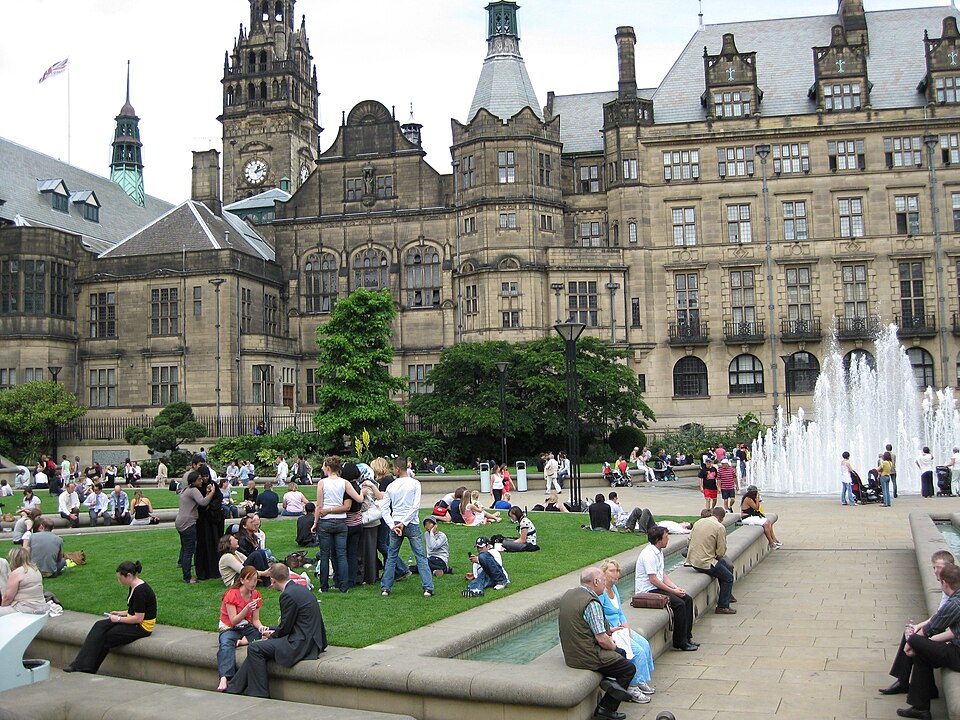
Begin around the Peace Gardens, the Winter Garden and the Millennium Gallery. These three places sit close together and give you an easy introduction to the city. The Peace Gardens provide an open, central space beside the Town Hall, with lawns and water features where people gather in good weather. It is a useful landmark for getting your bearings before you explore further.
Sheffield Winter Garden
The Winter Garden is one of Sheffield’s most distinctive indoor spaces. It is a large temperate glasshouse, about 70 metres long and 22 metres high, with more than 2,500 plants from around the world. Even if you only have a short time, walk through slowly and look up at the timber structure as well as at the planting. It works well in wet weather, and it also makes a calm pause between busier streets and galleries.
Millennium Gallery
Next door, the Millennium Gallery is Sheffield’s main destination for art, craft and design. It is the permanent home of the city’s Metalwork Collection and the Ruskin Collection, and it also hosts touring exhibitions. The metalwork displays help explain why Sheffield became famous far beyond Yorkshire, while the changing exhibitions mean repeat visits rarely feel identical. Entry to the gallery is free, although you should always check current exhibition and opening details before you travel.
Museums That Explain The Steel City
Sheffield’s museums are a major strength, especially for visitors who want to understand the city rather than simply photograph it. Several are free to enter, which makes it easy to build a rich day without spending heavily on tickets. Donations may be welcomed, and special events can differ, so check the venue page for the day you plan to visit.
Weston Park Museum
Weston Park Museum tells the story of Sheffield and its people, from early history to the modern city. Its displays cover natural history, archaeology, art and social history, so it works for a wide range of interests. Families often find it engaging because the subjects change from room to room, while adults interested in local identity will find plenty about the people, politics and music that shaped Sheffield. Allow unhurried time rather than treating it as a quick stop.
Kelham Island Museum
Kelham Island Museum focuses on Sheffield’s industrial history, including steelmaking, cutlery and the power that drove the city’s workshops. The museum is known for the River Don Engine, a giant steam engine that helps visitors grasp the scale of heavy industry. Even if engineering is not usually your subject, the museum makes the Steel City nickname feel real. Pair it with a walk around Kelham Island itself, where old industrial buildings now contain independent businesses, galleries and places to eat and drink.
Graves Gallery And Smaller Collections
Graves Gallery, in the Central Library building, has long housed Sheffield’s visual art collection; check its current status before visiting, as displays can change during refurbishment. Specialist choices include the National Videogame Museum and the National Emergency Services Museum, in a former combined police, fire and ambulance station dating back to 1898. Choose one that matches your interests rather than trying to see everything.
Theatres, Cathedral And City Landmarks
Sheffield’s cultural life is concentrated around Tudor Square. Sheffield Theatres brings together the Crucible, the Tanya Moiseiwitsch Playhouse and the Lyceum Theatre. Together with the neighbouring Library Theatre, they form a major theatre complex. The Crucible, opened in 1971, is internationally known as the home of the World Snooker Championship, but it also stages theatre through the year. The Lyceum offers a more ornate setting for touring productions, including musical theatre, opera, ballet, dance and comedy.
Sheffield Cathedral is another essential stop. It is one of the city’s oldest buildings still in daily use, and its history on the site reaches back more than 1,000 years. The building became a cathedral in 1914. Visit respectfully, allow time to look at the architecture, and remember that it remains a working place of worship as well as a historic landmark. Nearby streets also reveal layers of old and new Sheffield, from civic buildings to newer public spaces created through city-centre regeneration.
Kelham Island And Independent Sheffield
Kelham Island shows how Sheffield has reinvented its industrial spaces. Former cutlery and steel works now house indie arcades, microbreweries, galleries, cafes and restaurants, creating a creative neighbourhood that keeps its rough-edged history. Walk the streets, then choose somewhere local for lunch. In the centre, Leah’s Yard, the Moor Market and food halls such as Cambridge Street Collective offer the same independent flavour.
Gardens, Parks And Green Spaces
Sheffield’s green spaces are not an afterthought. They are part of the visitor experience. The Botanical Gardens, opened in 1836, cover about 19 acres and contain many themed garden areas with thousands of plant species. The site is listed by English Heritage as a Grade II site of special historic and architectural interest. It is a peaceful choice for a slower morning, especially if you enjoy plants, glasshouses and landscaped paths.
Weston Park pairs naturally with its museum, Endcliffe Park suits a longer stroll, and Devonshire Green is a central open space near independent streets. Build at least one park into your day; Sheffield’s parks show the softer side of the city.
The Peak District On The Doorstep
One of Sheffield’s biggest advantages is how quickly city streets give way to countryside. With part of the city inside the Peak District National Park, walkers, cyclists and climbers can reach moorland, valleys and viewpoints without treating the countryside as a separate holiday. This is why Sheffield is promoted as the Outdoor City.
For a first visit, keep your outdoor plan simple and weather-aware. Choose a route that matches your fitness, daylight and transport, and check conditions before setting out. The Peak District can be beautiful in clear weather and demanding when wind, rain or low cloud arrive. If you are combining Sheffield with other northern stops, our guide to things to do in Manchester helps you compare two different city breaks, while our wider round-up of the best places to visit in England puts Sheffield in a national context.
Food, Markets And Evenings
Sheffield’s food scene is strongest when you follow its independent businesses. Food halls suit mixed groups, while the Moor Market, described as one of the UK’s best indoor markets with more than 90 independent traders, adds local colour. In the evening, choose theatre, the Showroom Cinema’s independent films, live music, or bars and restaurants in the centre and Kelham Island. Book popular shows ahead at weekends.
How To Plan One Or Two Days
For one day, stay central: Peace Gardens and Winter Garden, Millennium Gallery, then Weston Park Museum or Kelham Island Museum, plus the cathedral and an evening in the centre or Kelham Island. For two days, add the museum you missed, the Botanical Gardens and a Peak District walk if weather allows. Our guide to UK weekend breaks helps plan a slower stay. Before travelling, check Visit Sheffield information for current guidance.
Practical Tips For Visitors
- Group central sights together. The Winter Garden, Millennium Gallery, Peace Gardens, theatres and cathedral are easy to combine on foot.
- Check museum opening days before you go. Free entry does not always mean open every day, and event closures can affect galleries.
- Wear comfortable shoes. Sheffield is hilly in places, and you will walk more than expected between neighbourhoods.
- Build in a green pause. A park or garden stop makes a museum-heavy day feel balanced.
- Treat the Peak District with respect. Check the forecast, carry suitable clothing and choose a route within your ability.
- Book theatre and popular evening plans early, particularly for weekends and major events.
Frequently Asked Questions
What Are The Best Things To Do In Sheffield For First-Time Visitors?
Start with the Winter Garden, Millennium Gallery and Peace Gardens, then visit Weston Park Museum or Kelham Island Museum. Add Sheffield Cathedral, Kelham Island’s independent streets and an evening at Sheffield Theatres or the Showroom Cinema. That combination covers the city’s art, industry, history and modern character.
Is Sheffield Good For A Weekend Break?
Yes. Sheffield works well for a weekend because its main sights are close together, several museums are free, and the Peak District adds countryside without a long transfer. Two days let you combine the city centre, Kelham Island, gardens and an outdoor walk at a comfortable pace.
What Is Sheffield Famous For?
Sheffield is famous for steel, cutlery and metalworking, which is why it is called the Steel City. It is also known for the Crucible Theatre and World Snooker Championship, its museums, its music and theatre scene, and its position beside the Peak District.
Are Sheffield Museums Free?
Several major Sheffield museums and galleries offer free entry, including the Millennium Gallery, Weston Park Museum and Kelham Island Museum. Donations may be suggested and some events or exhibitions can have different arrangements, so check the venue before travelling.
Can You Visit The Peak District From Sheffield?
Yes. Part of Sheffield lies within the Peak District National Park boundary, and the countryside is a major reason the city is known as the Outdoor City. Choose a route suited to the weather and your experience, and check conditions before setting out.
Final Thoughts
Sheffield rewards visitors who look beyond a single landmark. Its best experiences come from contrast: metalwork beside contemporary art, a tropical-feeling glasshouse in the city centre, old workshops turned into creative spaces, and national-park landscapes close to urban streets. Plan a central first day, leave room for Kelham Island and green spaces, and you will understand why the Steel City has become such an appealing short-break destination.

Leave a Reply