
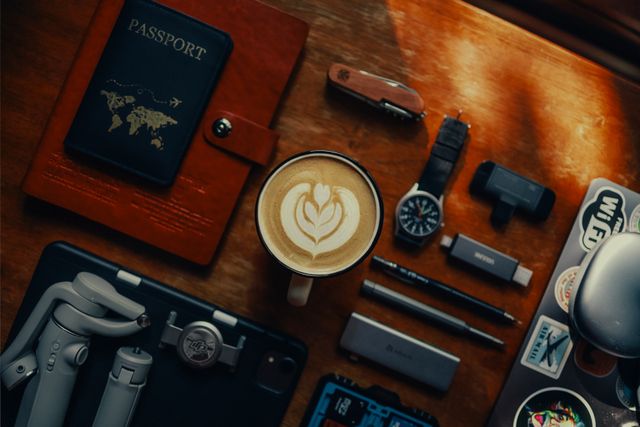
Travel gadgets are worth buying only when they solve a real problem on a trip. The best travel gadgets are not the most expensive or the most talked about. They are the small, reliable items that save time, protect your belongings, keep you comfortable, and help you stay connected. This guide answers the main question directly: start with power, packing, comfort, and security, and only add specialist gear when your trip actually needs it.
Before buying anything, think about how you travel. A weekend city break needs different gear from a long flight, a camping trip, or a family holiday. A business traveller may need a laptop charger and a good pair of headphones. A hiker may need a head torch and a water filter. A parent may need a tablet, snacks, and a bag that opens easily at security. When you match gadgets to your trip, you carry less and use more.
Start With Power And Charging
Power is the first problem most travellers face. Phones, cameras, headphones, and tablets all need charging, and hotel rooms do not always have enough sockets near the bed. A portable power bank is one of the most useful travel gadgets. Choose one that can charge your phone at least twice, and check whether your airline allows it in hand luggage. Most airlines allow power banks in hand luggage, but not in checked luggage, so check the rules for your flight before you pack.
A multi-port charger is also useful. Instead of carrying a separate charger for every device, one charger with several USB ports can charge a phone, tablet, and headphones from a single socket. Add a short charging cable for each device, and a longer cable for use in a hotel room or on a train. A universal travel adapter is useful for international trips, but check the plug type and voltage for your destination before you travel, because adapters change the plug shape, not the voltage.
Cables fail at the worst times, so pack a spare. A short, strong cable is less likely to tangle than a very long one, and a cable organiser or small pouch keeps them tidy. If you use wireless headphones, check whether they can also work with a cable, because some flights and older entertainment systems still need a wired connection.
Pack Smarter With Packing Gadgets
Packing cubes are simple fabric containers that divide a suitcase into sections. They do not make a bag hold more, but they make it easier to find clothes without unpacking everything. Use one cube for tops, one for bottoms, and one for underwear or swimwear. When you arrive, you can lift out a cube and put it straight into a drawer. Compression cubes can reduce bulk, but they can also wrinkle clothes, so they work best for casual items rather than formal wear.
A luggage scale is a small gadget that can save money and stress. Weigh your bag at home before you leave, and again before you fly home, when souvenirs and shopping may have added weight. A digital scale is small, light, and easy to use, and it can help you avoid excess baggage charges at the airport. A luggage tag with your contact details is also useful, but do not put your full home address on the outside of a bag.
A shoe bag, laundry bag, and a small toiletry bag keep a suitcase clean and organised. A hanging toiletry bag is useful in small hotel bathrooms, because it keeps bottles upright and easy to reach. Check the liquid rules for hand luggage before you pack toiletries, and keep liquids in a clear, resealable bag if your flight requires it.
Stay Comfortable On Long Journeys
Comfort gadgets make long flights, bus rides, and train journeys much easier. Noise-cancelling headphones are one of the most popular travel gadgets, because they reduce engine noise and help you listen to music, podcasts, or films without turning the volume up too high. If you do not want to buy noise-cancelling headphones, good earplugs and a comfortable pair of earbuds can also help.
A travel pillow is a personal choice. Some travellers love memory foam neck pillows, while others prefer an inflatable pillow that packs flat. The best pillow is the one that supports your neck without pushing your head forward. Try it at home before a long trip, rather than buying one at the airport. An eye mask and a light blanket or large scarf can also help you sleep, especially on overnight flights or in bright hotel rooms.
Comfort also includes what you wear. A light jacket with pockets, comfortable shoes, and a small day bag are often more useful than a gadget. A reusable water bottle is useful for many trips, but check whether you can fill it after security at the airport, and whether tap water is safe to drink at your destination.
Protect Your Money, Documents And Devices
Security gadgets help you keep important items safe. A money belt or a small, hidden pouch can hold a passport, cards, and cash close to your body, especially in crowded places. A simple zippered pouch inside a bag can also work, as long as you keep it in a place that is hard to reach without you noticing. Do not carry all your money and cards in one place, and keep a backup card or some cash in a separate bag.
A small padlock for a bag or locker can deter opportunistic theft, but it will not protect against determined thieves. For hostels and shared rooms, a cable lock or a small lock for a locker is often more useful than a lock on a suitcase. A tracking device for a bag or keys can help you find lost items, but it does not replace careful packing and keeping valuables with you.
Digital security matters too. Use a strong passcode on your phone, keep your software up to date, and be careful with public Wi-Fi. A virtual private network, often called a VPN, can add protection on public networks, but it is not a substitute for common sense. Avoid entering sensitive passwords on shared computers, and back up photos and documents before you travel, so a lost phone does not mean lost memories.
Useful Gadgets For Specific Trips
Some travel gadgets are only useful for certain trips. A portable speaker can be pleasant for a picnic or a beach day, but it is not welcome in a quiet hotel or on public transport. A travel kettle or a small coffee maker can be useful for campers or for travellers staying in self-catering accommodation, but most hotels already provide a kettle or coffee maker. A head torch is useful for camping, night walks, and power cuts, but it is rarely needed for a city break.
For outdoor trips, a water filter bottle, a first-aid kit, and a portable charger that works in cold weather can be useful. For beach holidays, a waterproof phone pouch can protect a phone from sand and splashes, but check that the pouch seals properly before you use it near water, and do not rely on it for deep swimming or diving. For families, a tablet holder, a small games console, and a set of headphones for children can make long journeys calmer for everyone.
For work trips, a laptop stand, a compact keyboard, and a good webcam cover can improve comfort and privacy. A small, lightweight tripod can help with video calls and photos, but a large tripod is often too heavy for a short trip. Choose gadgets that fit in your usual bag, rather than buying a new bag to fit your gadgets.
What Not To Buy
- Do not buy a gadget just because it looks clever in a video. Ask whether you will use it on three trips, not just one.
- Do not buy duplicates. One good charger, one good cable, and one good pair of headphones are better than three poor versions.
- Do not buy heavy gear for a light trip. Weight matters, especially for hand luggage and walking holidays.
- Do not buy gadgets that need constant charging, updates, or special apps, unless they save real time.
- Do not buy items that are banned or restricted on flights, such as some large batteries or sharp tools, without checking the rules first.
A useful test is to pack your bag, then remove one item you are not sure about. If you do not miss it during the trip, you did not need it. Over time, you will build a small kit of travel gadgets that you trust, and you will stop buying new items for every trip.
How To Choose Good Travel Gadgets
When you compare travel gadgets, look for simple, durable designs. A gadget with fewer moving parts is less likely to break. Check the size and weight, the battery life, and whether it works with your existing devices. Read the instructions before you travel, and test the gadget at home. A power bank that you have never used, a pair of headphones that you have not paired, or a lock that you cannot open will cause more problems than they solve.
Price is not always a sign of quality. A mid-priced gadget from a reputable brand is often better than a very cheap copy or a very expensive luxury version. Check the warranty, the return policy, and whether spare cables or parts are available. If a gadget uses a unusual charging cable, pack a spare, because you may not find a replacement while travelling.
Think about sustainability too. A reusable bottle, a good quality bag, and a charger that lasts for years are better than disposable items bought for one trip. Repairing a gadget, rather than replacing it, can save money and reduce waste. If you no longer use a gadget, pass it on or recycle it responsibly, rather than leaving it in a drawer.
Conclusion
Travel gadgets should make travel simpler, not more complicated. Start with power, packing, comfort, and security, and add specialist gear only when your trip needs it. Test your gadgets before you leave, pack light, and keep your most important items with you. For more planning ideas, see our Travel Guides and Carry On Luggage: How To Pack Smart And Travel Light, and check airline guidance at UK Civil Aviation Authority and GOV.UK foreign travel advice before you fly.
Leave a Reply