
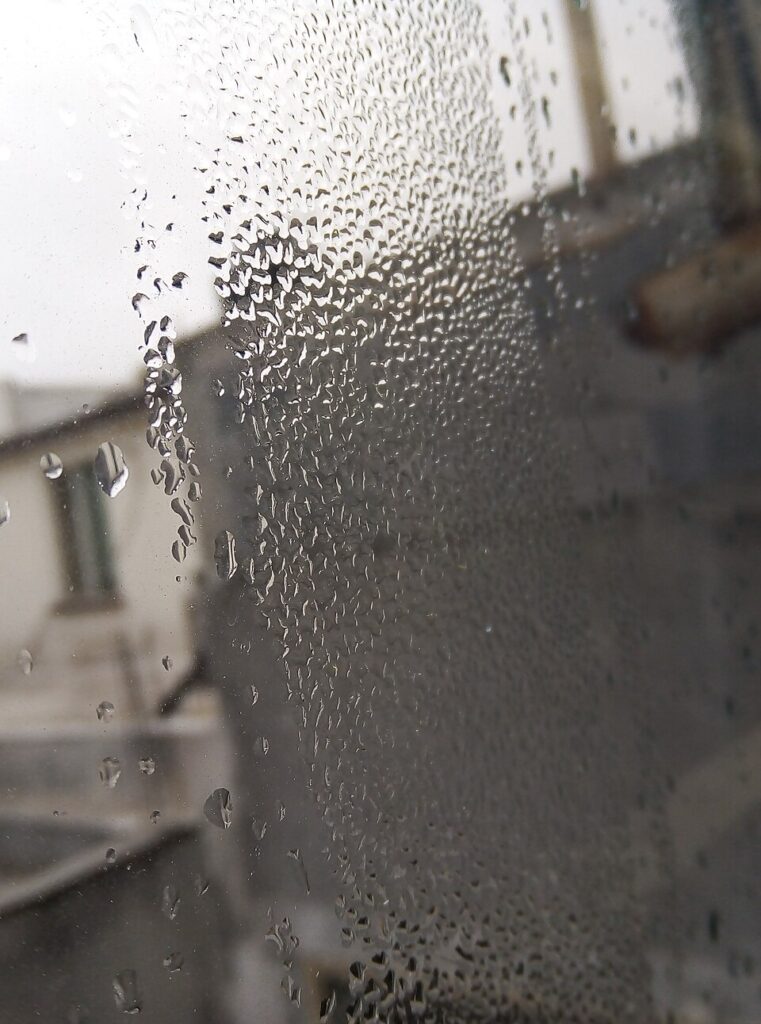
Working out how to get rid of condensation means thinking about your home as a balance between moisture, warmth and fresh air. Condensation is simply water vapour in indoor air turning back into liquid when it meets a cold surface, which is why it appears first on windows on a cold morning. A light misting that clears quickly is normal and harmless. The problem starts when moisture builds up day after day, running down window panes, soaking into cold walls and feeding mould in corners and behind furniture. The lasting fixes are not mysterious: produce less moisture, ventilate it away, and keep surfaces warm enough that vapour has nowhere cold to settle. This guide explains why condensation forms, how to tell it apart from other kinds of damp, and the practical changes that stop it forming in the first place.
What Causes Condensation In A Home
Every household produces moisture constantly. Cooking, boiling kettles, showering, bathing, washing and drying clothes, and even breathing all release water vapour into the air. The Energy Saving Trust notes that a typical household produces up to 100 litres of moisture a week, varying with the size of the home, lifestyle and appliances, and that if this moisture is not removed through ventilation it builds up on surfaces or stays in the air.
Four factors decide whether that moisture becomes a problem:
- How much moisture the household produces each day.
- How well moist air can escape through ventilation.
- How many cold surfaces the home has, such as single-glazed windows, exposed corners and gaps in insulation.
- How warm the home is kept, because cold rooms and cold walls attract condensation first.
UK government guidance describes condensation as one of the most common causes of damp and mould in homes, and explains that moisture from normal activities such as showering, drying laundry and cooking builds up in the air if it cannot be removed. In other words, condensation is rarely caused by one bad habit; it is the combination of moisture, cold surfaces and trapped air.
Condensation Or A Different Kind Of Damp
Before changing your habits, it is worth checking that condensation really is your problem, because other types of damp need repairs rather than ventilation. Condensation typically shows as droplets on windows, mould in cold corners and behind furniture, and patches that worsen in winter and in steamy rooms. Rising damp shows as a tidemark along the bottom of a wall, where ground water moves up through the structure. Penetrating damp appears as a concentrated damp patch on an outside wall or ceiling that worsens when it rains, often linked to faulty guttering, roofing or pointing. The Energy Saving Trust puts it plainly: if you do not have leaks or rising damp issues, the problem is almost certainly condensation. A patch that appears after rain, a ceiling stain below a bathroom, or a wall that feels wet points to a leak or building fault, and that needs a repair, arranged by you if you own the home or reported to your landlord if you rent.
Produce Less Moisture In The First Place
The cheapest condensation fix is to release less water vapour into your indoor air. Small changes in the kitchen and bathroom make a measurable difference:
- Put lids on pots and pans when cooking, and turn the heat down once water boils.
- Dry clothes outside when the weather allows. If you must dry laundry indoors, use a room with an extractor fan or an open window and keep the door closed, rather than draping clothes over radiators.
- Wipe down shower walls, tiles and windows with a squeegee or towel after bathing, so the water goes down the drain instead of into the air.
- Make sure a tumble dryer is vented outside or is a condensing type, never venting into the room.
- Consider a dehumidifier for rooms where moisture is hard to avoid, or to help dry washing indoors.
None of these steps is dramatic on its own, but together they cut the amount of vapour your ventilation has to clear.
Ventilate Moisture Away Properly
Ventilation is the other half of the balance. Air needs to flow in and out of a home to keep it fresh, dry and healthy, and the Energy Saving Trust recommends a simple routine:
- Keep trickle vents on windows always open and clear of obstructions. They provide background ventilation even when windows are shut.
- Open windows several times a day for at least five minutes, and longer when you can.
- Use extractor fans in the bathroom and kitchen, and let them run for at least 15 minutes after a shower, bath or cooking session.
- If you have no extractor fan, open a window while showering or cooking and leave it open for at least 15 minutes afterwards.
- Keep the kitchen or bathroom door closed while steam is being produced, so moist air goes outside instead of spreading through the home.
If your home has no working extractor fans, or fans that barely move air, that is a building issue rather than a habits issue. Government guidance expects kitchens and bathrooms to have ventilation that is fully operational and sufficiently powered, so renters should report broken or inadequate fans to their landlord, and owners should treat a proper fan as one of the most effective condensation investments available. In a small bathroom, where steam has nowhere to go, layout matters too; our ideas for compact bathrooms include ways to make small, steamy rooms easier to ventilate and keep dry.
Heat Steadily And Warm The Cold Surfaces
Condensation settles on the coldest surfaces in a room, so heating patterns matter as much as ventilation. A home that is not heated properly contributes to damp problems, and rooms where the heating is off or low during colder months are prone to condensation. You do not need to heat every room to the same level, but very cold, unused rooms are where mould starts, so giving spare rooms a little background heat is wiser than leaving them stone cold. NHS-linked housing guidance suggests it helps to keep your home above 15 degrees, and opening bedroom windows for five to ten minutes each morning clears the moisture that breathing overnight has added.
Insulation warms surfaces from the other side. A well-insulated home keeps walls and ceilings warmer, so vapour is less likely to condense on them. Gaps in insulation create cold spots that attract condensation and mould, so defects such as slumped cavity insulation or missing loft insulation are worth fixing. Draught-proofing helps keep heat in, but never seal trickle vents, air bricks or ventilation grilles, because a home still needs controlled fresh air. When you next decorate a bathroom, moisture-resistant finishes help surfaces cope; our guide to wall decorations for a bathroom covers options that suit steamy rooms.
Daily Habits That Keep Condensation Down
Once the bigger fixes are in place, a few daily habits keep moisture from creeping back:
- Wipe condensation from windows and sills each morning, and wring the cloth out into a sink rather than drying it on a radiator.
- Leave a gap between furniture and outside walls so air can circulate behind wardrobes and sofas.
- Leave internal doors open where possible so air moves around the home, and air out cupboards and wardrobes on outside walls occasionally.
- Open bedroom windows briefly each morning to clear overnight moisture.
- Keep an eye on cold corners and window frames, because early mould spots are a signal that moisture is still winning somewhere.
If mould has already taken hold on a wall, cleaning it off safely is a separate job from stopping condensation, and our guide on how to remove mould from walls covers the safe method surface by surface. Deal with both sides: remove the growth, then use the steps in this guide so it has no moisture to return to.
When Condensation Needs More Than Habits
Sometimes condensation persists despite good ventilation and steady heating, and that usually means the building needs attention. Warning signs include mould returning in the same places, windows that stream with water daily, damaged plaster or skirting, and rooms that cannot be kept warm. Possible causes include failed insulation, inadequate or broken extractor fans, heating faults, and leaks that mimic condensation. If you rent, report persistent condensation and mould to your landlord with dated photographs; landlords are expected to address underlying causes such as building deficiencies and inadequate ventilation, not simply blame everyday living. If a landlord does not act, your local council’s environmental health team and advice services such as Citizens Advice or Shelter can explain your options. Owners facing the same pattern should get a professional assessment rather than adding more draught-proofing to a home that may already be under-ventilated. For the official detail behind this advice, see the Energy Saving Trust guide to fixing damp and condensation and the GOV.UK guidance on damp and mould.
Frequently Asked Questions
Why Do My Windows Have Condensation Every Morning?
Overnight, breathing adds moisture to bedroom air while windows cool down, so vapour condenses on the cold glass by morning. A light misting that clears after you open the window briefly is normal. Heavy droplets that run down the pane every day suggest the room needs better ventilation, steadier heating, or both.
Does Opening Windows In Winter Really Help?
Yes. Short bursts of ventilation replace moist indoor air with drier outdoor air, and the Energy Saving Trust recommends opening windows several times a day for at least five minutes. Brief, wide opening clears moisture faster than leaving a window slightly open all day, and the room reheats quickly afterwards.
Will A Dehumidifier Solve Condensation On Its Own?
A dehumidifier helps, especially for drying washing indoors or in rooms with persistent moisture, but it works best alongside ventilation and steady heating. If a building fault or broken extractor fan is the real cause, a dehumidifier will only mask the problem.
Is Condensation On The Outside Of Windows A Problem?
No. Condensation on the outside of modern, energy-efficient glazing is a sign the glass is insulating well, and it clears without causing damp. Condensation on the inside surface, or between the panes of a sealed unit, is the kind that signals a moisture or glazing problem.
Why Does Mould Grow Behind My Wardrobe?
Wardrobes against outside walls block air circulation, so the wall behind stays cold and still, and condensation settles there undisturbed. Leave a gap between furniture and the wall, and check behind large pieces on outside walls from time to time.
Final Thoughts
Getting rid of condensation is about balance rather than a single product: produce less moisture, ventilate it away promptly, and keep rooms and surfaces warm enough that vapour cannot settle. Start with the free changes, lids on pans, trickle vents open, fans running after showers, and windows opened briefly each day, then tackle building issues such as broken fans or insulation gaps if the problem persists. Keep that balance, and your windows will stay clear and your walls dry.




Leave a Reply