
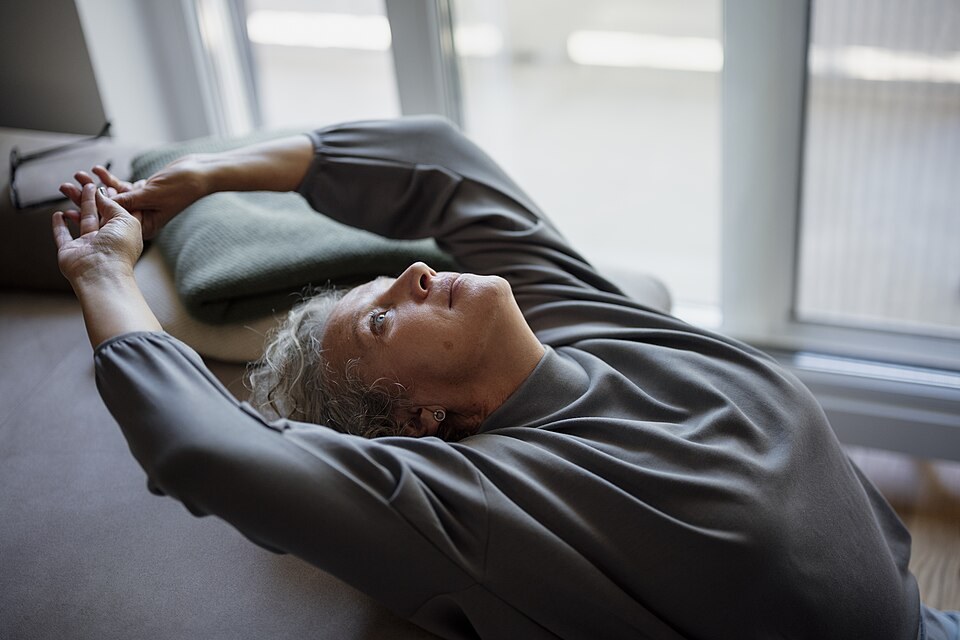
Learning how to improve flexibility does not require complicated equipment, long gym sessions or extreme stretches. For most beginners, steady and gentle practice matters far more than forcing your body into difficult positions. Flexibility improves gradually when you move your joints through a comfortable range of motion on a regular basis, warm up properly and avoid pain. This guide explains what flexibility means, how to stretch safely and how to build a simple routine that fits into everyday life at home.
What Flexibility Means And Why It Matters
Flexibility describes how well a joint can move through the range needed for daily tasks and physical activity. The NHS explains that flexibility exercises improve the ability of a joint to maintain the movement necessary for carrying out daily tasks and physical activity. Good flexibility helps with ordinary actions such as reaching a shelf, bending to tie your shoes, turning to check traffic or getting up from a chair with ease.
Flexibility is different for every person and every joint. Age, activity levels, previous injuries and the natural shape of your joints all play a part, so comparing yourself with other people is rarely helpful. Health professionals believe that improving flexibility can improve posture, reduce aches and pains and lower the risk of injury, according to the NHS. These are general benefits rather than guarantees, and progress is usually slow and steady.
It is also worth knowing what stretching cannot do. Stretching will not fix every cause of stiffness, and it is not a treatment for joint disease, nerve problems or ongoing pain. If stiffness comes with swelling, weakness or numbness, professional advice is the safer route.
How To Improve Flexibility Safely As A Beginner
The safest approach is simple: warm up first, move slowly, stretch only to a mild pull and build up over weeks. The NHS flexibility routine is designed to be gentle and easy to follow, even if you have not done much exercise for a while. Wear loose, comfortable clothing, keep some water handy and increase repetitions gradually over time rather than all at once.
Warm Up Before You Stretch
Cold muscles are less comfortable to stretch, so begin with a few minutes of light movement. A short walk, gentle marching on the spot or easy arm movements can raise your body temperature and prepare your joints. Many people find stretching after a warm shower or a walk more comfortable than first thing in the morning. The warm-up does not need to be intense; the goal is simply to feel warmer and looser before you begin.
Move Slowly And Breathe Normally
Move into each stretch gradually and hold the position without bouncing. Bouncing or forcing a stretch can make muscles tighten to protect themselves, which works against your goal. A stretch should feel like gentle tension, never sharp, burning or pinching pain. Breathe normally throughout, because holding your breath adds tension and makes the stretch harder to control. If you feel tingling, numbness or dizziness, ease out of the stretch and stop.
A Gentle Beginner Stretching Routine
The routine below is based on the NHS home flexibility exercises, which the NHS suggests doing at least twice a week alongside strength and balance work. You need only a sturdy chair, a wall for support and a few quiet minutes. Work through the movements slowly, on both sides where relevant, and keep every stretch comfortable.
Neck Rotation And Neck Stretch
Neck rotation improves neck mobility and flexibility. Sit upright with your shoulders down and look straight ahead. Slowly turn your head towards your left shoulder as far as is comfortable, hold for five seconds and return to the starting position. Repeat on the right, doing three rotations on each side. For the neck stretch, sit upright, hold your left shoulder down with your right hand and slowly tilt your head to the right. Hold each stretch for five seconds and repeat three times on each side, then change sides. Keep the movement small and controlled; the neck should never be forced.
Sideways Bend For The Lower Back
The sideways bend helps restore flexibility to the lower back and the sides of the body. Stand upright with your feet hip-width apart and your arms by your sides. Slide your left arm down your side as far as is comfortable; as you lower your arm, you should feel a stretch on the opposite side. Hold each stretch for two seconds and perform three on each side. If standing feels unsteady, hold a chair or counter for support, or do the movement seated.
Calf Stretch Against A Wall
The calf stretch loosens tight calf muscles, which often feel stiff after walking, running or long periods of sitting. Place your hands against a wall for stability. Bend your right leg and step your left leg back at least a foot’s distance, keeping it straight with both feet flat on the floor. The left calf stretches as you keep the left leg as straight as possible and the left heel on the floor. Repeat with the opposite leg and perform three on each side. You can read the full routine, with pictures, in the NHS flexibility exercises guide.
Chest And Shoulder Stretch
Desk work and phone use can leave the chest and front of the shoulders feeling tight. Sit forward, away from the back of your chair, with your feet flat on the floor. Gently draw your shoulders back and down and open your arms out to the sides until you feel a mild stretch across the chest. Hold briefly, relax and repeat a few times. Stop if you feel any pinching in the shoulder.
How Often To Stretch And How To Progress
Consistency matters more than intensity. The NHS suggests doing its flexibility exercises at least twice a week and combining them with sitting, balance and strength routines. There are no specific recommendations for exactly how much time you should spend on flexibility exercises, so a short routine done regularly is a sensible starting point. Many beginners find ten to fifteen minutes, two or three times a week, easy to maintain.
Progress in small steps. The NHS advises building up slowly and gradually increasing the repetitions of each exercise over time. You might add one extra repetition or hold a stretch a little longer, but avoid changing everything at once. Mild muscle tiredness after a new routine can be normal, but sharp pain or pain that worsens over several days is a sign to stop and seek advice.
Flexibility work also sits within wider activity guidance. The NHS recommends at least 150 minutes of moderate-intensity aerobic activity a week for general health, plus muscle-strengthening activities on two days a week. Stretching supports that routine rather than replacing it. The NHS guide to strength and flexibility explains how these types of exercise fit together.
Common Mistakes That Slow Your Progress
Several common habits make stretching less effective or less comfortable. Avoiding them will help you improve steadily and safely.
- Stretching cold muscles. A brief warm-up makes stretches more comfortable and easier to control.
- Bouncing into a stretch. Slow, steady holds work better than quick, jerky movements.
- Chasing pain. A mild pull is enough; pain is a signal to ease off, not a target.
- Holding your breath. Steady breathing helps you relax into the stretch.
- Stretching only one side. Stiffness is often uneven, so give both sides equal attention.
- Doing too much too soon. Small, regular sessions beat one intense session followed by soreness.
- Ignoring strength and balance. Flexible joints still need supporting muscles to work well.
When Stretching Is Not Enough
Stretching is helpful general exercise, but it has limits. Stiffness can sometimes be a sign of an injury, arthritis, a nerve problem or another health condition, and a stretching routine cannot diagnose or treat those causes. Seek professional advice if you have joint swelling, locking or giving way, numbness or weakness, pain after a fall, or stiffness that keeps getting worse. Our guide to joint care explains everyday ways to look after your joints.
If you are recovering from an injury or surgery, or you have a long-term health condition, ask a qualified health professional or physiotherapist which movements are suitable for you before following a general routine. They can adapt exercises to your situation in a way that general guidance cannot.
How To Improve Flexibility With Yoga And Daily Movement
Stretching is only one route to better flexibility. The NHS lists stretching, yoga, tai chi and pilates as examples of flexibility activities. Yoga combines gentle stretching with strength, balance and controlled breathing, which suits many beginners who prefer a guided class. Our overview of yoga benefits explains what yoga can offer and how to start sensibly.
Daily movement helps too. Regular walking, climbing stairs and changing position during the working day all keep joints moving. Stretching also fits naturally at the end of exercise, when muscles are warm. Our guide on how to cool down after exercise shows how gentle stretches can form part of a comfortable cool-down.
This article is for general information only and is not medical advice. If you have pain, an injury, or a health condition, speak to a qualified health professional before starting a new exercise or breathing routine.
Frequently Asked Questions
How Long Does It Take To Improve Flexibility?
There is no fixed timeline, because flexibility depends on your starting point, your joints and how regularly you practise. Many people notice everyday movements feeling easier after several weeks of consistent gentle stretching. The NHS advises building up slowly over a period of weeks, so judge progress by comfort and ease of movement rather than by extreme positions.
Should Stretching Hurt?
No. A stretch should feel like mild tension or a gentle pull, never sharp or burning pain. If a stretch hurts, ease out of it straight away. Pain, tingling or numbness during stretching is a signal to stop, and persistent pain should be checked by a qualified health professional.
Can Older Adults Improve Flexibility?
Yes, gentle flexibility exercise is suitable for many older adults, and the NHS home routine is designed to be gentle and easy to follow. Flexibility work can help maintain the movement needed for daily tasks, and the NHS suggests combining it with strength and balance exercises. Use a chair or wall for support if you feel unsteady, and build up slowly.
Is Yoga Good For Flexibility?
Yoga is one of the flexibility activities listed by the NHS, alongside stretching, tai chi and pilates. It can help maintain joint range of movement while also building strength and balance. Beginners should choose gentle classes, avoid forcing poses and tell the teacher about any injuries or health conditions.
How Often Should Beginners Stretch?
The NHS suggests doing its flexibility exercises at least twice a week. Short, regular sessions are better than occasional intense ones. As the routine feels easier, you can gradually increase repetitions or add an extra session, while keeping every stretch comfortable and pain-free.
Final Thoughts
Improving flexibility is a gradual process built on small, regular habits rather than force. Warm up first, stretch slowly to a mild pull, breathe normally and progress over weeks. A simple routine done at least twice a week, combined with walking, strength and balance work, can help you maintain the movement you need for daily life. Stay patient, respect pain as a stop signal and seek professional advice whenever stiffness comes with pain, swelling or weakness.

Leave a Reply