
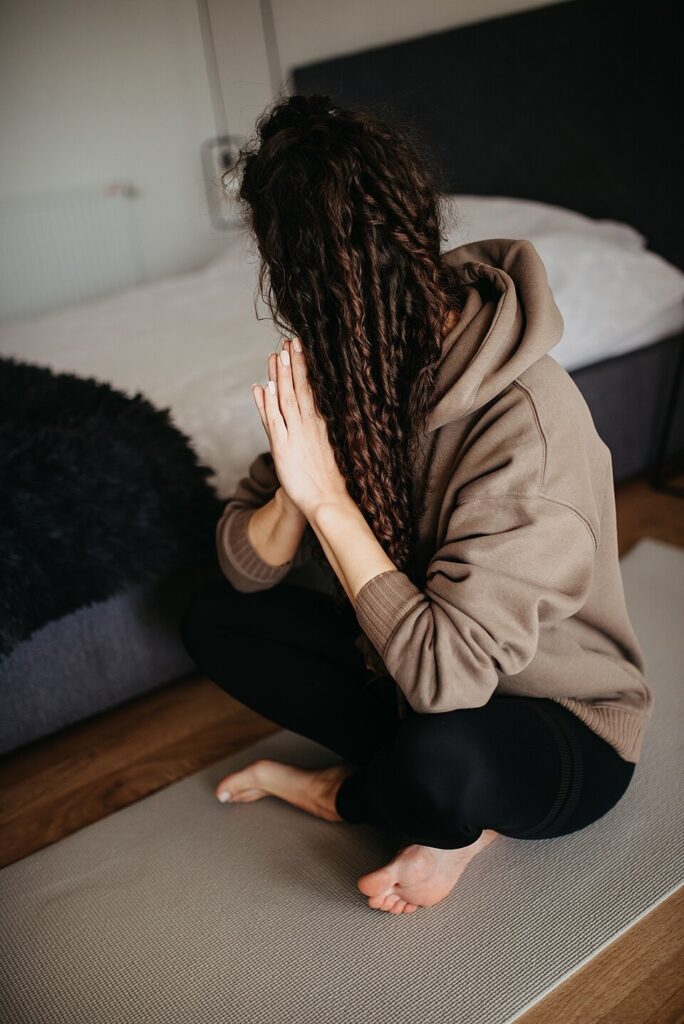
The benefits of deep breathing are often described in glowing terms, from instant calm to better sleep and lower stress. Some of those claims have reasonable support, while others go well beyond what research can show. Deep breathing is best understood as a simple, free relaxation technique that can help many people feel calmer in the moment. This article explains how the technique works, what the evidence supports, what it cannot do and how to practise it safely using NHS guidance.
What Deep Breathing Means
Deep breathing, sometimes called belly breathing or diaphragmatic breathing, means breathing slowly so that the breath flows deep into the belly rather than staying shallow in the chest. When people feel stressed or tense, breathing often becomes faster and shallower, and some people hold their breath without noticing. Deliberately slowing the breath gives the body a different signal and gives the mind something steady to focus on.
Deep breathing does not mean taking the biggest breath possible. Forcing huge breaths can feel uncomfortable and may cause light-headedness. The NHS technique asks you to let the breath flow as deep into your belly as is comfortable, without forcing it. Gentle and regular is the goal, not maximum effort. That distinction matters, because comfortable breathing is easier to sustain and far more likely to feel relaxing.
Benefits Of Deep Breathing Supported By Evidence
Research on breathing exercises is encouraging but still developing, so claims need care. Systematic reviews of breathing practice studies have found that many interventions reduced self-reported stress and anxiety, with small to medium effects rather than dramatic ones. Reviews also note limits: studies use different techniques, many are small and methods are sometimes described poorly. In plain terms, deep breathing can help some people feel calmer, but it is not a guaranteed or powerful treatment.
Feeling Calmer During Stress
The NHS describes its breathing technique as a calming technique for stress, anxiety and panic that takes just a few minutes and can be done anywhere. NHS Inform similarly explains that breathing and relaxation exercises focus on slowing your breathing and taking your mind off uncomfortable thoughts or symptoms, which can help you relax and feel calmer. For everyday stress, such as a difficult meeting, a busy commute or a tense moment at home, a few minutes of slow breathing may take the edge off physical tension.
A Short Pause Before Reacting
One practical benefit is the pause itself. Counting slow breaths creates a short gap between a stressful moment and your response to it. That gap can make it easier to think clearly, choose your words and avoid reacting in the heat of the moment. This is a modest benefit, but it is a real one, and it costs nothing. The NHS notes that you will get the most benefit if you practise regularly, as part of your daily routine, rather than only reaching for the technique in a crisis.
What Deep Breathing Cannot Do
Honest limits matter as much as benefits. Deep breathing does not remove the cause of stress, whether that is workload, money worries, illness or a difficult relationship. It does not treat anxiety disorders, depression or panic disorder, and it should not replace professional care, therapy or prescribed treatment. Evidence in diagnosed conditions is limited, and most studies involve generally healthy adults with everyday stress.
Claims that deep breathing detoxifies the body, boosts immunity in a proven way or cures physical illness are not supported by reliable evidence. Breathing exercises are generally considered low risk for healthy people, but low risk is not the same as unlimited benefit. If stress or anxiety is persistent, worsening or affecting daily life, speak to a qualified health professional rather than relying on breathing exercises alone. Deep breathing works best as one small tool within wider habits that support wellbeing, such as sleep, movement, connection and rest.
How To Practise The NHS Breathing Technique
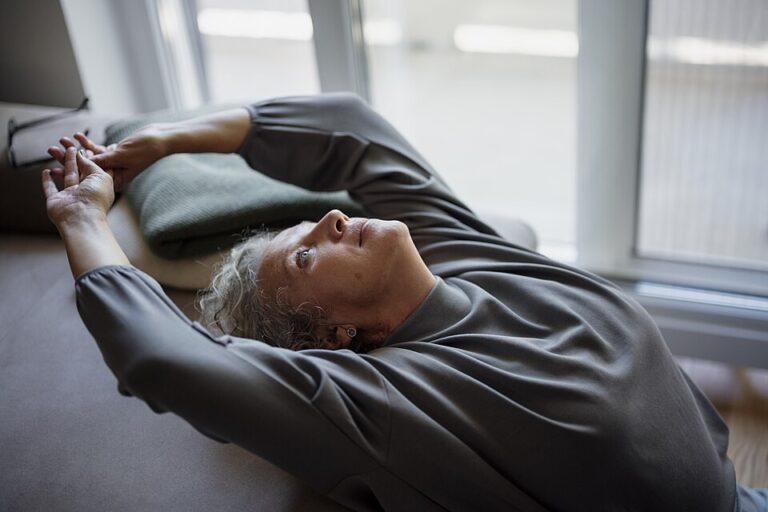
The NHS technique is simple, needs no equipment and can be done standing up, sitting in a chair that supports your back, or lying on a bed or yoga mat on the floor. You can follow the full guidance in the NHS breathing exercises for stress page.
Step By Step Belly Breathing
Make yourself as comfortable as possible and loosen any clothes that restrict your breathing. If you are lying down, place your arms a little away from your sides with palms up, and keep your legs straight or bend your knees so your feet are flat on the floor. If you are sitting or standing, place both feet flat on the ground, roughly hip-width apart. Then follow these steps.
- Let your breath flow as deep down into your belly as is comfortable, without forcing it.
- Try breathing in through your nose and out through your mouth.
- Breathe in gently and regularly. Some people find it helpful to count steadily from one to five, although you may not reach five at first.
- Let the breath flow out gently, counting from one to five again if that helps.
- Repeat for at least five minutes.
Keep the breath soft throughout. If counting feels stressful, drop the count and simply breathe slowly and comfortably. The aim is a calm rhythm, not perfect numbers.
Making It A Daily Habit
Regular practice makes the technique easier to use when you need it. NHS Inform notes that over time, breathing and relaxation exercises may become something you do automatically if you are tense or stressed. Short daily practice, such as five minutes in the morning or before bed, builds familiarity without taking much time. Reviews of breathing research suggest that repeated practice over multiple sessions tends to work better than a single very short attempt. Treat it like any skill: brief, regular and patient practice beats occasional intense effort.
Benefits Of Deep Breathing And Sleep
Many people use slow breathing as part of winding down at night. NHS Inform lists sleep among the things breathing exercises can help with, alongside stress, anxiety, panic and anger. The likely value is indirect: slow breathing can reduce physical tension and give racing thoughts less room, which may make it easier to drift off. It is not a treatment for insomnia or sleep apnoea, and persistent sleep problems deserve professional advice. For wider habits that support rest, our guide on how to improve sleep quality covers routines, light, screens and bedroom comfort in more detail.
Safety Tips And When To Stop
Deep breathing is gentle for most people, but a few precautions keep it comfortable and safe.
- Practise sitting or lying down at first, especially if you ever feel light-headed.
- Breathe gently and never force the breath. Bigger is not better.
- Stop if you feel dizzy, tingly, tight-chested or more anxious, and breathe normally until the feeling passes.
- Avoid long breath holds unless a qualified professional has advised them for you.
- If focusing on your breath feels uncomfortable, try a grounding exercise instead, such as noticing sights, sounds and physical sensations around you.
- Take extra care and seek professional advice first if you have a breathing condition, panic symptoms that frighten you, or any health condition that makes breathing exercises uncertain.
Some people with breathing-related difficulties find that paying close attention to the breath increases discomfort. In that case, other relaxation approaches may suit better. NHS Inform offers a range of breathing and relaxation exercises, including grounding and muscle relaxation options, so you can choose what feels manageable.
Deep Breathing And Mindfulness
Deep breathing overlaps with mindfulness, because both involve paying attention to the present moment. In breathing practice, the breath itself becomes the focus: you notice the air moving in and out and gently return your attention when it wanders. That simple act of noticing is why breathing exercises sit comfortably alongside other calming activities. Our round-up of mindfulness activities offers gentle ways to build present-moment awareness into busy days without lengthy sessions.
Breathing practice also fits within broader self-care, provided expectations stay realistic. Five quiet minutes will not fix an overloaded schedule, but it can form part of a kinder routine that includes rest, movement and time away from screens. Our guide to self-care explores practical, low-cost ways to look after your wellbeing day by day. Used in that spirit, deep breathing is a small, honest tool: simple to learn, easy to repeat and helpful for many people in stressful moments.
This article is for general information only and is not medical advice. If you have pain, an injury, or a health condition, speak to a qualified health professional before starting a new breathing routine.
Frequently Asked Questions
How Long Should I Practise Deep Breathing Each Day?
The NHS technique suggests repeating the exercise for at least five minutes. You will get the most benefit if you practise regularly, as part of your daily routine. Short daily sessions are a sensible starting point, and you can practise more often if it feels comfortable.
Can Deep Breathing Help With Anxiety?
Slow breathing may help some people feel calmer during anxious moments, and the NHS describes its technique as calming for stress, anxiety and panic. However, deep breathing is not a treatment for anxiety disorders. If anxiety is persistent, severe or affecting daily life, speak to a qualified health professional about proper support.
Why Do I Feel Dizzy When I Breathe Deeply?
Dizziness can happen if you breathe too deeply or too quickly, or force the breath. Practise sitting or lying down, breathe gently without forcing, and stop if dizziness occurs. Let your breathing return to normal and only continue when you feel steady. Repeated dizziness should be discussed with a health professional.
Is Deep Breathing Safe For Everyone?
Gentle breathing exercises are generally low risk for healthy people, but they are not suitable for everyone in every situation. If you have a breathing condition, feel worse when focusing on your breath, or have any health condition that makes you unsure, seek professional advice before starting. Stop any exercise that causes pain, chest tightness or distress.
Does Deep Breathing Improve Sleep?
Slow breathing may help some people unwind before bed by reducing tension and slowing racing thoughts, and NHS Inform lists sleep among the things breathing exercises can help with. It is not a treatment for insomnia or sleep apnoea. Persistent sleep problems should be discussed with a qualified health professional.
Final Thoughts
The benefits of deep breathing are real but modest: a calmer feeling during stress, a useful pause before reacting and a gentle way to unwind. The evidence supports small to medium effects on self-reported stress, not cures or dramatic transformations. Practise the NHS technique gently for at least five minutes, build it into your daily routine and keep expectations honest. Used alongside sleep, movement, rest and professional support when needed, deep breathing is a simple tool that can help you meet stressful moments with a little more steadiness.

Leave a Reply