
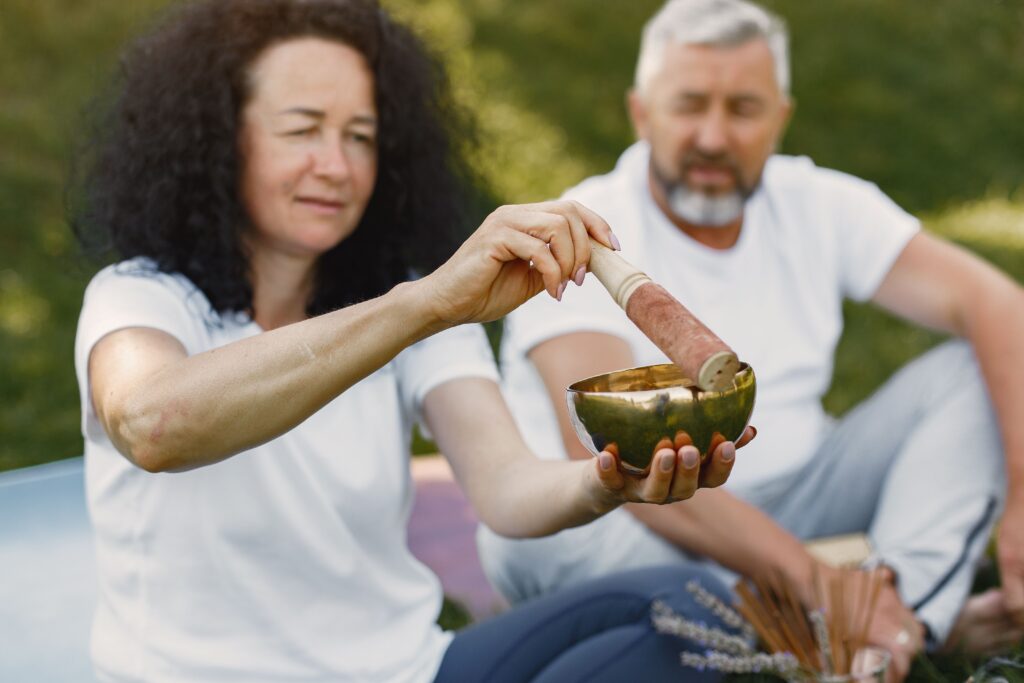
Mindfulness activities are simple, practical ways to pay attention to the present moment, and they fit into an ordinary day without any special equipment or experience. The best place to start is a short breathing exercise: sit comfortably, breathe in slowly through your nose, breathe out slowly, and gently bring your attention back to your breath each time your mind wanders. Two or three minutes is enough. This guide explains what mindfulness is, shares activities you can try today, and shows how to build a small daily habit that lasts.
What Is Mindfulness, Really?
Mindfulness means paying attention to what is happening inside and outside yourself, moment by moment, without judging it. That is how the NHS describes it, and the mental health charity Mind describes it in almost the same words: noticing what is happening in the present moment, without judgement. Instead of replaying yesterday or rehearsing tomorrow, you notice your thoughts, feelings, body and surroundings as they are right now.
Most of us spend much of the day on autopilot, eating lunch while scrolling or lying in bed replaying a conversation from hours earlier. Mindfulness is the practice of coming back to what is actually happening, again and again, kindly and without criticism.
Mindfulness Is Not Emptying Your Mind
A common misunderstanding is that mindfulness means clearing your mind completely or stopping your thoughts. That is not the aim, and trying to force it usually makes people feel they have failed. Thoughts will come. The practice is noticing that your mind has wandered and gently returning your attention to the present, whether that is your breath, your footsteps or the taste of your food.
Mind also points out that mindfulness has roots in Buddhism and meditation, but you do not need to be religious or spiritual to practise it. Anyone can learn it, and the exercises below need nothing more than a few quiet minutes.
What Mindfulness May Help With
The NHS says that mindfulness can help with stress, anxiety and depression, and that studies show it can help with those difficulties. Mindfulness-based therapies are recommended by the National Institute for Health and Care Excellence (NICE) as a way to treat less severe depression. Mind adds that studies show practising mindfulness can help people manage depression, some anxiety problems and feelings of stress.
That does not make mindfulness a cure or a replacement for treatment. Mind is clear that it might not be the best option for everyone. If you are struggling with your mental health, speak to your GP or a trusted health professional. The activities in this article are general wellbeing ideas for everyday life, not medical advice. You can read more on the NHS mindfulness page.
A Simple Two-Minute Breathing Practice To Start With
If you try only one mindfulness activity from this article, make it this one. It takes two minutes, it can be done almost anywhere, and it is the foundation for everything else.
- Sit comfortably with your feet flat on the floor and your back supported, or lie down if you prefer.
- Close your eyes or lower your gaze to a spot in front of you.
- Breathe in slowly through your nose, and notice the cool air coming in.
- Breathe out slowly through your nose or mouth, and notice the warm air leaving.
- Feel your chest or belly rise and fall with each breath.
- When your mind wanders, notice it without frustration and gently bring your attention back to your breath.
- Continue for two or three minutes, then slowly open your eyes.
The NHS suggests repeating its breathing exercise for at least five minutes if you can, but starting with two minutes is fine. A short practice you actually do beats a long one you keep putting off.
a beginner-friendly guide to meditation
Mindfulness Activities You Can Do Every Day
You do not need to sit cross-legged on a cushion to be mindful. Some of the most useful mindfulness activities are woven into things you already do. The trick is to give one ordinary activity your full attention, even for a few minutes.
Mindful Breathing
This is the simplest activity of all, and the one most people return to. Beyond the two-minute practice above, you can use your breath as an anchor throughout the day. Before a meeting, while waiting for the kettle to boil, or on the bus, take three slow breaths and notice how each one feels. Box breathing is another well-known version, described by several NHS trusts: breathe in for a count, hold for the same count, breathe out for the same count, then hold again before repeating. Keep the counts comfortable rather than forcing them.
The Body Scan
A body scan means slowly moving your attention through your body, part by part, and noticing what you feel there. It is one of the core exercises in mindfulness-based stress reduction programmes run by NHS trusts, and Mind lists it among its recommended mindfulness exercises. Lie down or sit comfortably and close your eyes. Start with your toes and notice any warmth, coolness, tingling or tension there, without trying to change it. Move slowly up through your feet, legs, stomach, chest, hands, arms, shoulders, neck and face, spending a few seconds on each area. If your mind drifts, bring it gently back to the part of the body you were focusing on. A full body scan can take ten to twenty minutes, but even five minutes can help you notice tension you had been carrying without realising it.
Mindful Walking
Walking is one of the easiest mindfulness activities because most of us do it every day. Walk at a natural, unhurried pace, indoors or outside. Notice the feeling of each foot touching the ground, heel first and then toe. Notice the swing of your arms, the air on your face, the sounds around you, and the colours and shapes you pass. When thoughts pull you away, return your attention to your next step. Try it on a short stretch of your normal route, perhaps the walk to the shop or a lap around the garden. The point is not to walk slowly or strangely, but to be present while you walk.
Mindful Eating
Eating is often done on autopilot, in front of a screen or on the move. Mindful eating means giving one meal or snack your full attention, and it is an exercise Mind specifically recommends. Choose something simple, like a piece of fruit, and slow right down. Look at the food closely, noticing its colour, shape and texture. Hold it and notice its weight and temperature. Smell it before you take a bite, then chew slowly, noticing the flavour and texture as it changes. Put your fork down between bites, and notice when you start to feel full rather than eating until the plate is empty. You do not need to eat every meal this way. One mindful snack a day is a realistic start.
Journaling And Writing
Writing is a quiet, practical way to practise mindfulness, because it slows your thoughts down enough to see them clearly. You do not need a beautiful notebook or perfect sentences. Set a timer for five minutes and write about how you feel right now, without editing yourself. Or list three things you noticed today, such as the smell of rain, a kind word from a colleague, or the taste of your morning coffee. Journaling works best when it is private and pressure-free. If writing feels like a chore, try a voice note to yourself instead. The aim is the same: to notice what is on your mind rather than carrying it around unexamined.
Mindfulness Activities For Busy Days
A common reason people give up on mindfulness is that they think they need thirty quiet minutes and a silent room. In real life, the most useful activities are the short ones, because they are the ones that survive a busy day.
The Five Senses Check-In
This is a grounding exercise used by many NHS services. It takes about a minute and works well when you feel overwhelmed or scattered. Name, silently or out loud, five things you can see, four things you can touch, three things you can hear, two things you can smell, and one thing you can taste. By the time you reach the end, your attention has usually shifted from racing thoughts back to the room you are actually in. Use it before a difficult conversation or whenever the day feels too fast.
how to lower cortisol naturally with everyday habits
How To Build A Daily Mindfulness Habit
Knowing about mindfulness activities is easy. Doing them every day is the hard part, so attach the practice to something you already do. Practise mindful breathing while the kettle boils, do a body scan before bed, or eat the first three bites of lunch mindfully. Linking a new habit to an existing one makes it much easier to remember. Choose a regular time, too. Many people find mornings work best, before the day fills up, while others prefer a pause in the evening. There is no best time. The best time is the one you will actually keep. Start small and stay small: two minutes a day for a fortnight is a better foundation than an ambitious plan that collapses in a week. Be kind to yourself when you miss a day. Missing a day is not failure, so start again the next day without guilt. If sitting in silence feels difficult, a guided session can help. The NHS Every Mind Matters website offers a free personalised Mind Plan with mental wellbeing tips, and Mind has a page of mindfulness exercises and tips you can try at home.
how to build confidence in yourself and trust your own judgement
Frequently Asked Questions
How Long Should A Mindfulness Activity Take?
It can take as little as one minute. A three-breath pause, a five-senses check-in or a mindful cup of tea all count. Longer practices, such as a ten or twenty-minute body scan, can be useful too, but they are not required. A few minutes every day will do more for you than a long session once in a while.
What If I Feel More Anxious When I Try Mindfulness?
This can happen, especially when you first start paying close attention to your thoughts and feelings. If an exercise makes you feel uncomfortable, stop and do something grounding instead, such as the five senses check-in or a walk outside. Mind notes that mindfulness might not be the best option for some people. If anxiety persists, speak to your GP or a mental health professional.
Is Mindfulness The Same As Meditation?
Meditation is one kind of mindfulness activity, but mindfulness is broader. Sitting meditation is a formal practice, while mindful walking, eating, listening and colouring are informal practices you can do during everyday life. Both count. Many people find informal activities easier to start with, and they often lead naturally to an interest in sitting meditation later.
Conclusion
Mindfulness activities do not require a quiet retreat, a special cushion or an hour of spare time. They ask only for a few minutes of your attention, given to something you already do. Start with two minutes of breathing today, and add one more small activity this week. Some days will feel easy and some will feel restless, and both are part of the practice. Over time, those small moments of attention add up to something larger: a calmer, kinder way of moving through an ordinary day, one present moment at a time.
Please note: this article shares general wellbeing information only. It is not medical advice. If you are experiencing persistent stress, anxiety or low mood, speak to your GP or a qualified health professional.
Leave a Reply