
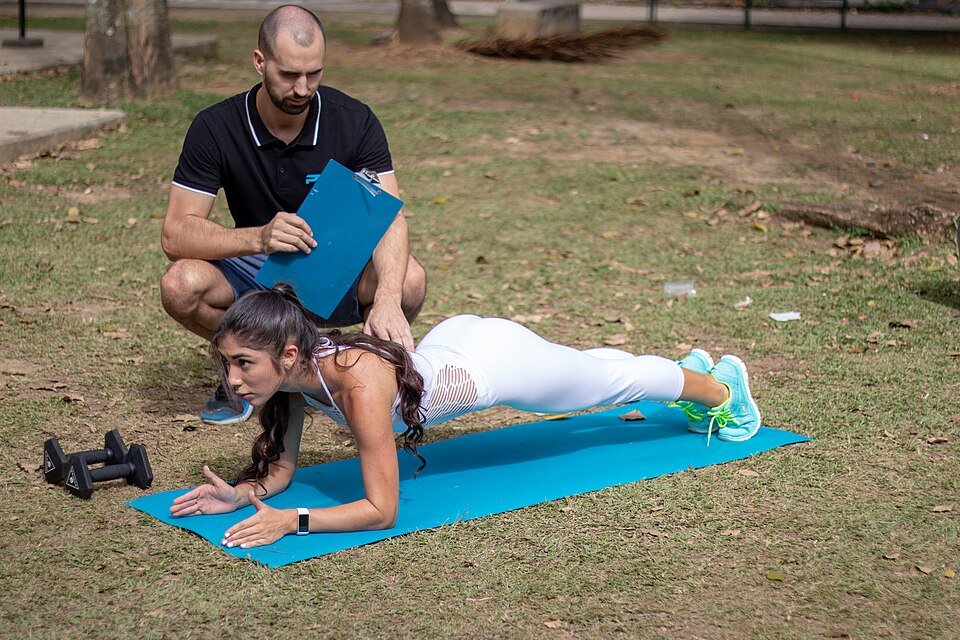
Learning how to strengthen your core is a practical goal for almost any fitness level, because your core muscles help you balance, move and stay steady during everyday tasks. Core training does not need a gym or expensive equipment. A mat, a few controlled movements and a sensible progression are enough to begin. This guide explains what the core muscles are, why they matter, and how beginners can start safely.
What Your Core Muscles Are
Many people use the word core to mean only the stomach muscles, sometimes called the abs. In reality, the core is wider. Mayo Clinic describes the core as the central part of the body, including the pelvis, lower back, hips and stomach.
These muscles work together. When you stand up from a chair, carry shopping, climb stairs or bend to tie your shoes, core muscles help keep your trunk steady while your arms and legs move. Mayo Clinic notes that core exercises train these muscles to work in harmony, supporting balance and steadiness, also called stability.
One deep abdominal muscle, the transversus abdominis, plays an important supporting role. Mayo Clinic suggests focusing on tightening this deep muscle during core exercises, describing it as the muscle you feel contracting when you cough. Understanding that the core wraps around the trunk explains why bridges, planks and bird dog movements sit alongside crunches.
Why A Strong Core Matters
A stronger core can make many activities feel easier. Mayo Clinic explains that strong core muscles help with actions such as swinging a golf club, reaching a top shelf and bending to tie shoes. For runners, a stable core supports posture and movement, while weak core muscles can contribute to fatigue and reduced endurance.
Core strength is also linked with balance, which matters when walking on uneven ground, gardening or carrying loads at home. Mayo Clinic states that weak core muscles can leave people more prone to poor posture, lower back pain and muscle injuries, and that strengthening the core may help back pain improve and may lower the risk of falls. The word may is important: core exercise is not a guaranteed treatment for back pain.
Set honest expectations about appearance. Core exercises can strengthen and tone the muscles under the surface, but Mayo Clinic notes that aerobic activity is needed to burn fat around the stomach. Planks alone do not promise visible abdominal definition. A balanced programme supports overall fitness better than a single exercise repeated endlessly.
How To Start Safely
Beginners usually do best with short, controlled sessions. Use a mat or carpeted floor, move slowly, breathe freely, and stop a set when your form breaks down. Shaking muscles and effort are normal, but sharp pain or pain that travels into an arm or leg are reasons to stop and seek advice.
Mayo Clinic advises people with back problems, osteoporosis or other health concerns to talk to a healthcare professional before doing core-strength exercises. That advice is worth following if you have a history of back injury, recent surgery, dizziness or balance problems.
Breathing helps you control each movement. Mayo Clinic guidance suggests breathing freely and deeply during core exercises, and exhaling with the effort of a movement to help activate the core. Our article on the benefits of deep breathing explains simple breathing practice in more detail.
Beginner Core Exercises To Try
The exercises below are classic beginner options described by Mayo Clinic. Start with the version you can perform with steady form. Fewer good repetitions are better than many rushed ones. Mayo Clinic suggests aiming for one set of each exercise for 12 to 15 repetitions, but beginners can start below that range and build up gradually.
Bridge
The bridge strengthens several core muscles at once. Lie on your back with your knees bent and feet flat. Keep your back neutral, tighten your stomach muscles, then raise your hips until they line up with your knees and shoulders. Hold for three deep breaths, lower slowly, and repeat. Avoid tilting your hips to one side.
Modified Plank
A modified plank builds core stability with support from your knees. Lie on your stomach, then raise yourself onto your forearms and knees. Place your shoulders above your elbows, line up your head and neck with your back, and tighten your abdominal muscles. Hold for three deep breaths, then return to the start and repeat. If your lower back sags, rest and reset.
Quadruped Or Bird Dog
The quadruped, sometimes called the bird dog, trains balance and trunk control. Start on your hands and knees with your hands below your shoulders. Tighten your abdominal muscles. Raise one arm ahead and hold for three deep breaths, then repeat with the other arm. Next, raise one leg behind you, hold, lower, and repeat on the other side. When that feels controlled, try raising opposite arm and leg together.
Side Plank
The side plank works the muscles along the side of the body. Lie on one side and raise yourself onto your forearm, with your shoulder above your elbow and your shoulders, hips and knees in a straight line. Tighten your abdominal muscles and hold for three deep breaths, then repeat on the other side. Beginners can keep knees bent for support. Stop if your shoulder becomes painful.
Abdominal Crunch
The abdominal crunch is a classic core exercise, but technique matters. Lie on your back with your feet supported so your knees and hips are bent at about 90 degrees, and tighten your abdominal muscles. Raise your head and shoulders slightly, crossing your arms on your chest rather than pulling on your neck. Hold for three deep breaths, return to the start, and repeat. If crunches irritate your neck or back, choose another exercise.
A Simple Beginner Routine
A short routine done two or three times a week is a realistic starting point for many general readers, with rest days between sessions. Keep the first week easy while you learn the movements. A sample session could include:
- Bridge for 6 to 10 slow repetitions.
- Modified plank for 4 to 6 holds of three deep breaths.
- Bird dog for 4 to 6 repetitions on each side.
- Side plank for 3 to 5 holds of three deep breaths on each side.
- Abdominal crunch for 6 to 10 repetitions, only if it feels comfortable.
Rest briefly between exercises, and finish while your technique still feels controlled. Over time, build towards 12 to 15 repetitions, add a second set, or use slightly harder variations. Progress one step at a time. Core work fits well alongside other activity: runners can combine it with a gradual plan such as how to start running, while how to improve flexibility can complement strength sessions.
How To Progress Without Rushing
Progress is measured by control as much as by repetitions. When an exercise feels steady for the full set, add a few repetitions, hold positions for one extra breath, or move from a modified plank to a fuller plank. Mayo Clinic describes variations such as raising an arm or leg during a modified plank for people ready for more challenge.
Avoid changing everything at once. Keep the routine stable for a week or two, then adjust one variable. Mild muscle tiredness is expected, but soreness that keeps worsening or pain in a joint are signs to ease off and consider professional advice.
Consistency matters more than intensity. Two focused sessions each week, repeated over several weeks, usually teach better control than one exhausting session followed by a long break. Mayo Clinic places core exercises alongside aerobic exercise and strength training in a well-rounded programme.
Common Mistakes To Avoid
Several mistakes reduce the value of core training. Holding your breath makes steady tension harder, so keep breathing. Moving too fast lets momentum do the work, so slow down. Letting the lower back sag during planks shifts stress away from the target muscles, so shorten the hold and reset. Pulling on the neck during crunches is another frequent problem, which is why crossing the arms on the chest is a safer cue.
Another mistake is treating soreness as the goal. Core muscles should feel worked, but severe soreness after every session usually means the jump in difficulty was too large. A beginner who performs bridges and modified planks with excellent control is training more sensibly than someone copying a hard routine with poor form.
When To Get Professional Advice
Seek professional advice before starting if you have back problems, osteoporosis, recent injury or surgery, or any health concern that affects exercise safety. During training, stop and get advice if you feel sharp pain, pain that spreads into a limb, numbness, weakness or dizziness. Core training can support general fitness, but it should not be used to self-treat persistent or worsening pain.
A Note On General Information
This article provides general information about core exercises for a general audience. It is not medical advice and does not replace advice from a qualified healthcare professional who knows your health history. If you have back pain, an injury, osteoporosis, or any concern about starting exercise, speak to a GP, physiotherapist or other appropriate healthcare professional for personal advice.
Frequently Asked Questions
What Muscles Make Up The Core?
The core includes the abdominal muscles, back muscles and muscles around the pelvis, hips and lower back. These muscles work together to support balance, stability and everyday movement, rather than acting as a single stomach muscle.
How Often Should Beginners Train Their Core?
Two or three short sessions a week, with rest days between them, is a sensible starting point for many beginners. Start with fewer repetitions, focus on steady form, and build up gradually as control improves.
Do Core Exercises Burn Stomach Fat?
Core exercises strengthen and tone the muscles, but they do not specifically burn fat from the stomach. Mayo Clinic notes that aerobic activity is needed to burn stomach fat, so core training works best as part of a balanced fitness programme.
Is A Plank Better Than A Crunch?
Neither exercise is automatically better. Planks train stability while the trunk stays still, and crunches train controlled trunk movement. Many beginners do well with bridges, modified planks and bird dog movements first, then add crunches only if they feel comfortable.
When Should You Stop A Core Exercise?
Stop if you feel sharp pain, joint pain, pain spreading into an arm or leg, numbness, weakness or dizziness. Muscle effort and mild shaking can be normal, but pain that worsens during or after exercise needs professional advice.
Final Thoughts
Strengthening your core is a steady, learnable process. Start with controlled exercises such as the bridge, modified plank, bird dog and side plank, breathe throughout each movement, and progress only when your form stays steady. Combined with aerobic activity, general strength training and enough rest, core work can support balance, stability and everyday movement. Keep expectations realistic, respect pain signals, and seek professional advice when health concerns make exercise choices less clear.

Leave a Reply