
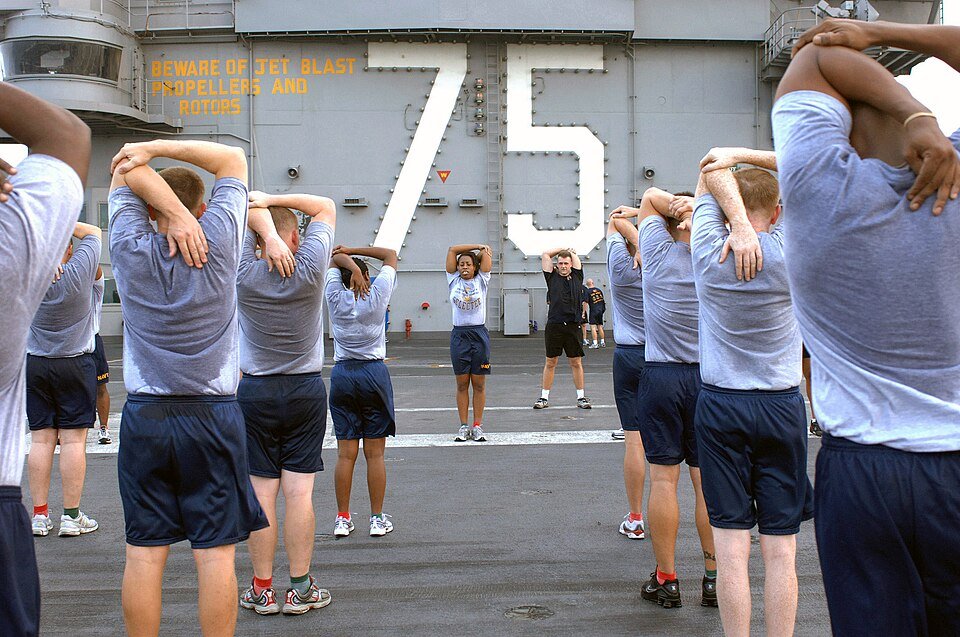
Knowing how to recover after a workout matters just as much as the workout itself. Exercise stresses your muscles, joints and energy stores, and the hours and days that follow are when your body repairs and adapts. Good recovery does not need expensive gadgets. For most people, the basics carry the most weight: enough sleep, regular meals with protein and carbohydrate, enough fluid, planned rest days and gentle movement. This guide explains those basics, what muscle soreness usually means, and when soreness needs medical advice.
Why Recovery Matters After Exercise
A workout is a stimulus, not the finished result. During training you use stored energy, lose fluid through sweat and stress muscle fibres. Afterwards, your body refills energy stores, repairs tissue and restores fluid balance. Cleveland Clinic notes that an ideal recovery routine starts right after activity and continues in the days that follow, and that building recovery into a workout plan can help avoid injuries and forced time away from training.
Recovery needs vary. A short, easy session usually needs less recovery than a long run or a heavy strength session. Sleep, food intake, stress, age and general health also affect how quickly you feel ready again. Watch how you feel over several days, keep the basics steady, and adjust training when tiredness or soreness keeps building instead of easing.
It also helps to separate two ideas. Cooling down is the short period straight after exercise, covered in our guide on how to cool down after exercise. Recovery is wider: what you eat and drink later that day, how you sleep, what you do on rest days, and how you space harder sessions.
Sleep Is A Key Part Of Recovery
Sleep is one of the simplest recovery tools available. Northumbria Healthcare NHS Foundation Trust suggests that adults need 7 to 9 hours of sleep on average, and Cleveland Clinic gives the same range. After a hard workout, reaching that amount supports the repair work your body is doing between sessions.
One poor night now and then is normal. Problems are more likely when short sleep becomes a pattern: workouts feel harder, motivation drops, and soreness seems to linger. If that sounds familiar, sleep may be the first thing to fix before adding more training.
Simple habits can help. The NHS page above suggests relaxing for an hour before bed without mobile devices or television, going to bed at the same time each night, and keeping the bedroom quiet and dark. It also suggests exercising during the day rather than close to bedtime if late exercise keeps you awake. Persistent poor sleep is worth discussing with a pharmacist or GP.
Eating And Drinking After A Workout
Food and fluid after exercise replace fluid lost in sweat, refill energy, and supply protein for muscle repair. You do not need a special product for any of these jobs. A normal balanced meal at your usual next mealtime suits many people well. A snack can help when the next meal is hours away or another hard session is planned later the same day.
Protein Helps Repair Muscle
Protein provides building blocks that muscles use during repair. Cleveland Clinic describes protein as critical after physical activity, and its trainer guidance suggests at least 20 grams after a tough workout. Treat that figure as a practical guide, not a strict rule for every session. A light walk does not create the same needs as hard strength training, and total protein across the day matters too.
Good everyday protein sources include eggs, fish, chicken, yoghurt, milk, beans, lentils and tofu. A protein shake or bar can be convenient when travelling, but convenience is the main benefit. Regular meals that include a protein source are enough for most general readers.
Carbohydrates Help Refill Energy
Carbohydrate foods help refill energy used during exercise, especially after longer or harder sessions. Rice, pasta, bread, potatoes, oats, fruit and cereals fit easily into normal meals. Pairing carbohydrate with protein is practical: eggs on toast, a chicken and rice bowl, or yoghurt with fruit and oats.
There is no need to panic about eating within a narrow window after every workout. For general fitness, eating enough across the day is usually more realistic than racing a clock. Anyone with a medical condition that affects eating, such as diabetes, should follow personal advice from their healthcare team.
Fluids And Electrolytes Matter
Sweating reduces your body water, and Cleveland Clinic notes that dehydration can contribute to muscle cramping, fatigue, headaches and poor physical performance. Water is a good starting point for most workouts. Drink during and after exercise according to thirst, the weather and how much you have sweated, and keep drinking normally with meals for the rest of the day.
Sweat also contains electrolytes such as sodium, potassium, magnesium and calcium. After long or very sweaty sessions, salty meals, milk, fruit such as bananas and oranges, and sports drinks can help replace them. For a short, easy workout, plain water and your next normal meal are usually reasonable. Very dark urine, dizziness, confusion or feeling unwell after exercise are reasons to seek medical advice.
Muscle Soreness And What Is Normal
A stiff, tender feeling a day or two after a new or harder workout is commonly called delayed onset muscle soreness, or DOMS. It is more likely after unfamiliar exercises, a jump in training load, or movements where muscles work while lengthening, such as lowering weights slowly. The soreness usually eases over the next few days, and the same workout often causes less soreness later because your body has adapted.
Soreness is not a reliable score for workout quality. A session can be useful without leaving you sore, and chasing soreness can make recovery harder. Gentle movement, such as an easy walk, often makes stiff muscles feel more comfortable, although it does not remove soreness completely. Evidence for many recovery tools is mixed, so build recovery on sleep, food, fluids and sensible training spacing first.
Soreness should gradually improve, not keep getting worse. Get medical advice promptly if you have sharp or sudden pain, pain in a joint, swelling, weakness that feels extreme, soreness that is not easing after several days, or dark urine alongside very sore or weak muscles. Those signs are different from ordinary training soreness and should not be treated as something to push through.
Rest Days And Gentle Movement
Rest days are part of training, not a break from progress. Cleveland Clinic describes active rest as light exercise that supports recovery without undue stress, such as a stroll or an easy bike ride. A rest day can still include movement, as long as you finish feeling refreshed rather than drained.
Spacing harder sessions also helps. Training the same muscles hard on back-to-back days leaves little time for repair, especially for beginners. Cleveland Clinic gives an example week with three days of strength training, two days of cardio and two days of active rest. That pattern is only an example, but the principle is useful: alternate harder and easier days. When your next session comes, our guide on how to warm up before exercise covers preparation.
Gentle mobility work can fit well on easier days. Slow, comfortable stretching may help you feel less stiff, and regular practice can support range of motion over time. Our guide on how to improve flexibility explains a steady approach. Keep stretches gentle, avoid bouncing or forcing a position, and stop if a stretch causes sharp pain.
Signs You May Need More Rest
Your body usually gives clues before recovery becomes a bigger problem. Common signs include workouts feeling harder at the same effort, soreness that has not eased before the next hard session, poor sleep and low motivation. Illness or a busy work period can produce similar feelings, so one tired day does not prove overtraining.
When several signs appear together for a week or more, reduce training load for a while, protect sleep, eat regular meals and use easier sessions until energy returns. If tiredness persists or you feel unwell, speak to a healthcare professional. Persistent fatigue has many possible causes, and this article cannot identify which one applies to any individual reader.
Simple Recovery Habits For Busy Weeks
Recovery works best when it fits real life. A short list of repeatable habits is more useful than a perfect plan that collapses after three days.
- Plan rest or easy days in your weekly schedule instead of waiting until you feel exhausted.
- Keep a regular sleep and wake time where possible, aiming for 7 to 9 hours of sleep.
- Eat a normal meal with protein and carbohydrate after harder sessions, and avoid skipping meals.
- Drink water during and after exercise, and replace electrolytes after long or very sweaty sessions.
- Use gentle walks or easy cycling on rest days to stay mobile without adding hard training stress.
- Increase training gradually, changing one thing at a time, such as duration, distance or weight.
- Note how soreness and energy respond over several days, and ease off when both keep worsening.
These habits are deliberately ordinary. Their value comes from consistency: a week with steady sleep, regular meals and spaced training usually supports recovery better than one intense effort followed by several neglected days.
A Note On General Information
This article provides general information about exercise recovery for a general audience. It is not medical advice and does not replace advice from a qualified healthcare professional who knows your health history. If you have an injury, a long-term health condition, persistent pain, or concerns about exercise, sleep or nutrition, speak to a GP, physiotherapist or other appropriate healthcare professional for personal advice.
Frequently Asked Questions
How Long Does Muscle Soreness Usually Last?
Ordinary soreness after a new or harder workout often appears a day or two later and eases over the next few days. It should gradually improve. Soreness that keeps worsening, lasts well beyond a few days, or comes with swelling, sharp pain, extreme weakness or dark urine needs medical advice.
Do You Need Protein Straight After Every Workout?
Not necessarily. Protein supports muscle repair, and a meal or snack with protein after a tough session is sensible. For light exercise, your next normal meal is usually fine. Total food intake across the day matters, and exact needs vary with body size, training and health.
Is A Rest Day The Same As Doing Nothing?
No. A rest day means avoiding hard training, but gentle movement such as walking or easy cycling can help you feel less stiff. Active rest should feel easy and refreshing, not like another workout in disguise.
How Much Sleep Helps Recovery?
Adults generally need 7 to 9 hours of sleep, according to NHS guidance and Cleveland Clinic. Individual needs vary, and regular poor sleep is worth discussing with a pharmacist or GP if simple sleep habits do not help.
Can You Train While Muscles Are Still Sore?
Light exercise with mild soreness is often reasonable, but training hard through strong soreness usually reduces quality and may raise injury risk. Choose an easier session, train different muscles, or rest. Stop and get advice if pain is sharp, in a joint, or getting worse.
Final Thoughts
Recovering well after a workout is mostly a matter of repeating simple habits: sleep enough, eat regular meals with protein and carbohydrate, replace fluids, space hard sessions, and use gentle movement on easier days. Muscle soreness after new exercise is common and usually settles, but worsening pain, swelling, extreme weakness or dark urine are signs to get medical advice. Treat recovery as part of training rather than an optional extra, and your next session is more likely to feel like progress instead of punishment.


Leave a Reply